13 Day Safari to Arusha National Park, Tarangire, Lake Eyasi, Ngorongoro Crater & Lake Manyara
This safari itinerary is recommended for the discerning traveller visiting from January to March - as this is when the migration is expected to be in the Ndutu region.
Safari
Day 1: Arrival
Arrive in Arusha today and meet your driver, who will assist with your transfer to your lodge. The remainder of the day is at leisure, allowing time to relax after your journey or explore the town surroundings if desired.
Day 2: Arusha National Park
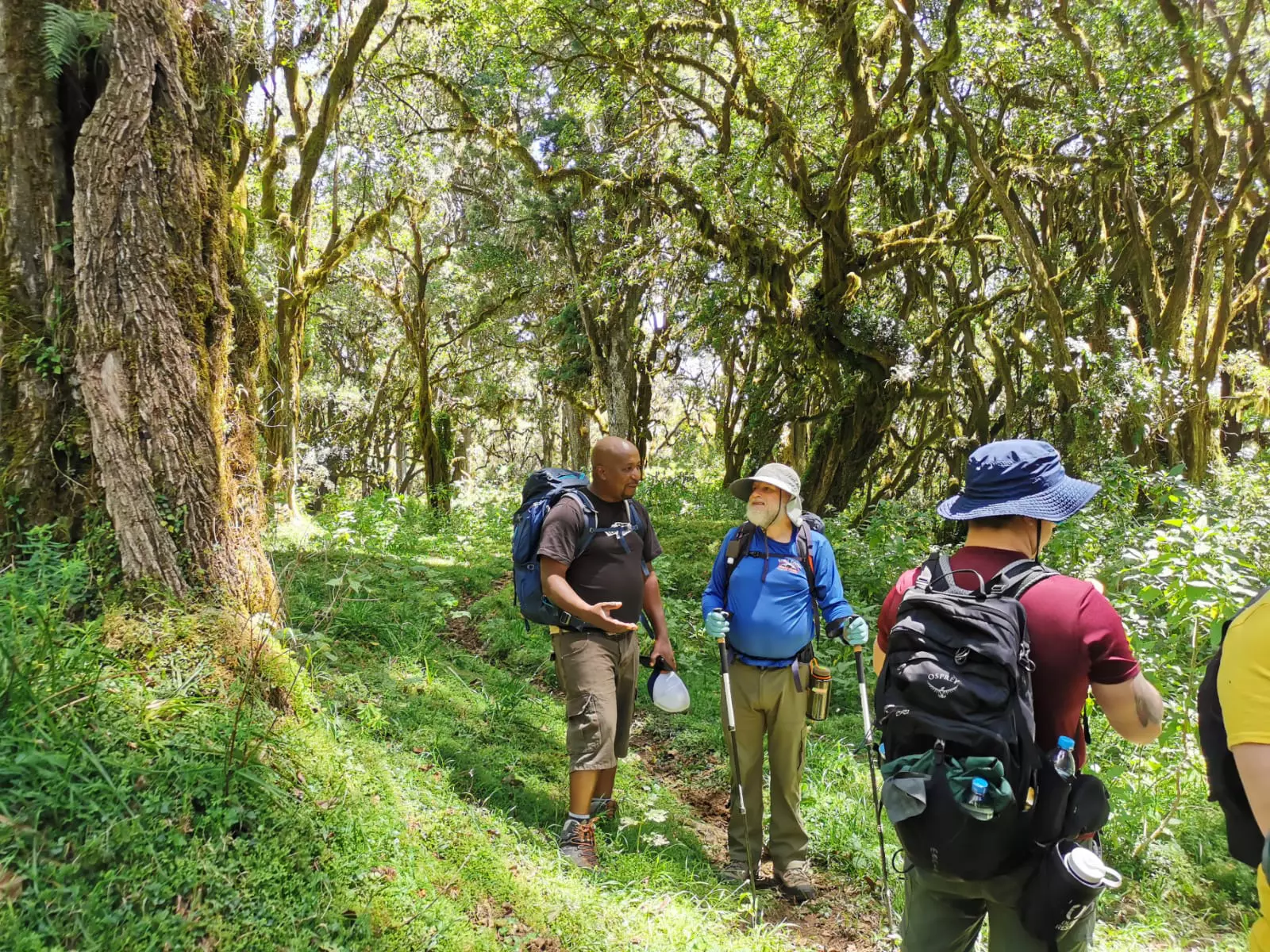
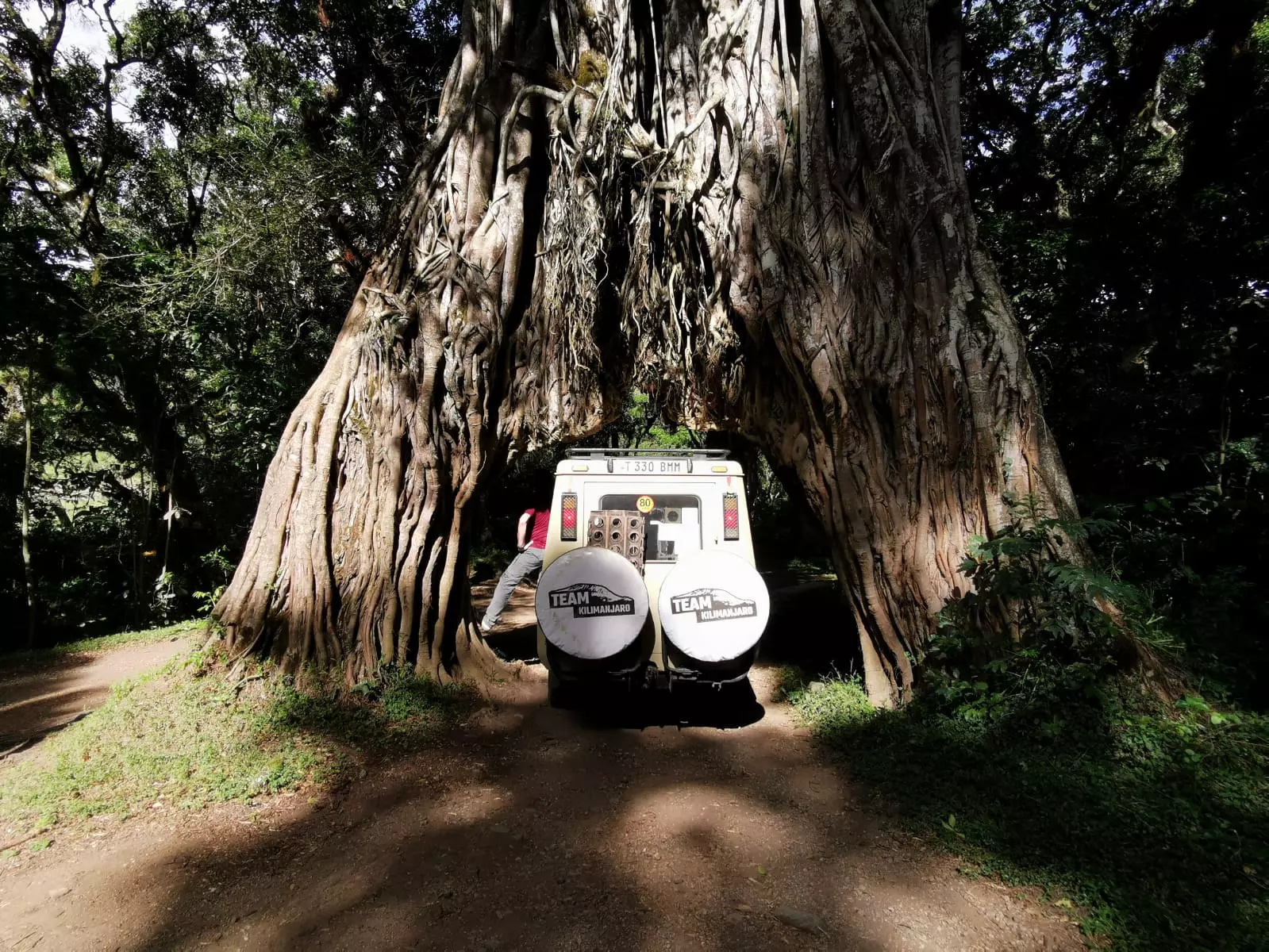
You will be collected from your hotel in Arusha at around 0730. Transferred by vehicle to Arusha National Park Gate for registration. Proceed with vehicle to viewpoint at end of vehicle track.
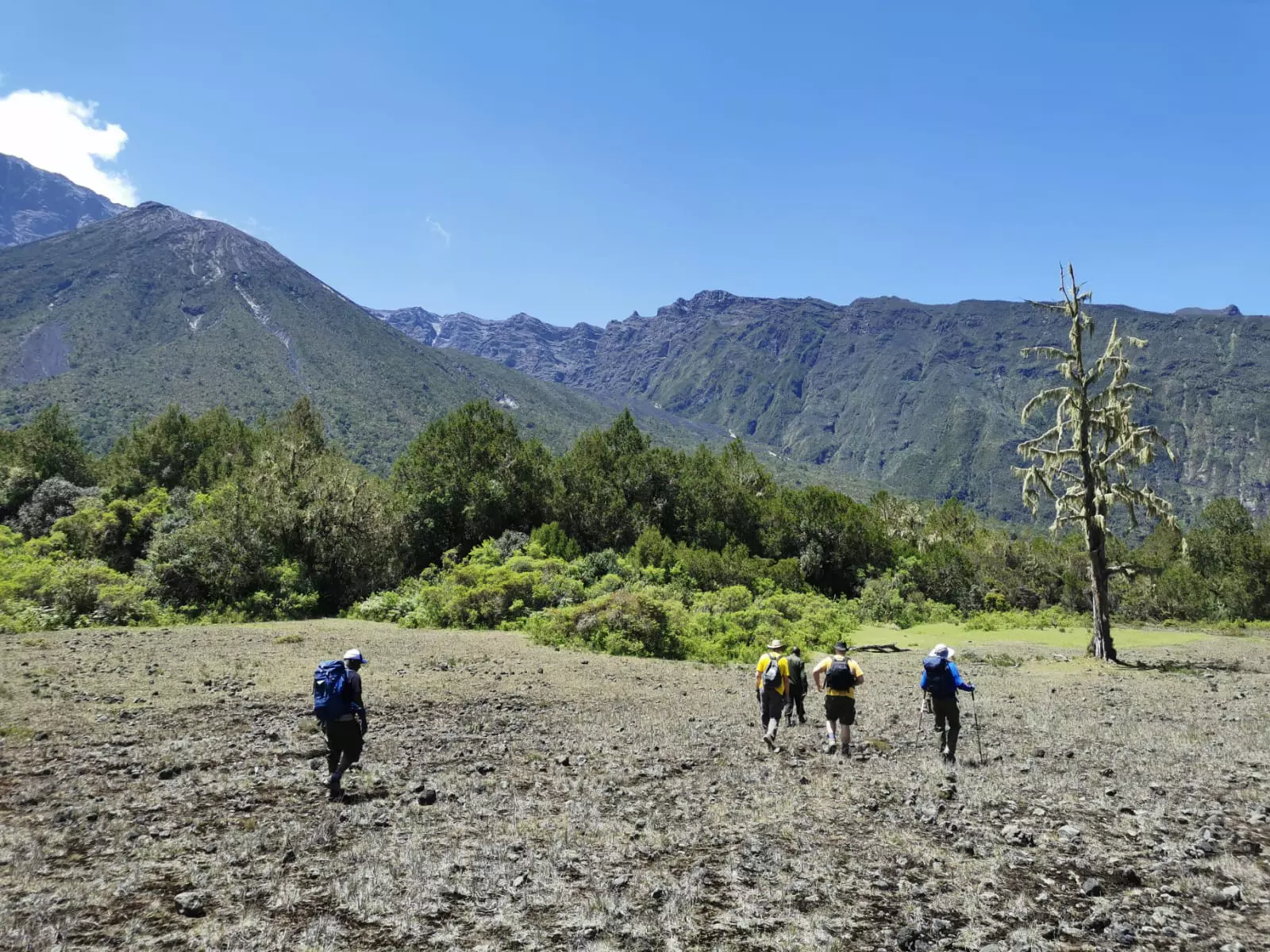
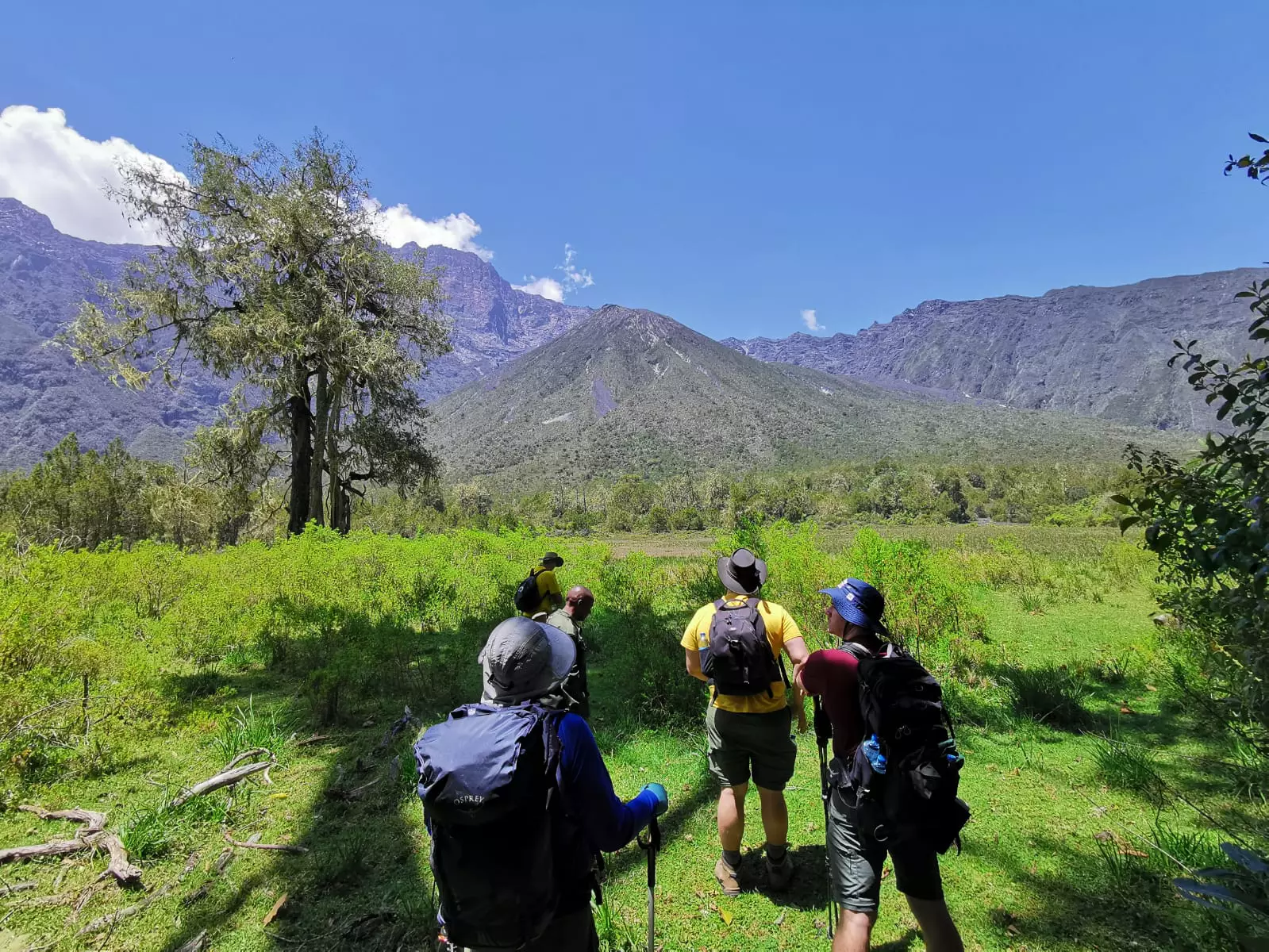
From here, we walk towards the Ash Cone, to an altitude of around 2,400 metres, with picnic lunch along the way, achieving a useful, low intensity acclimatisation day prior to starting your Kilimanjaro climb tomorrow.
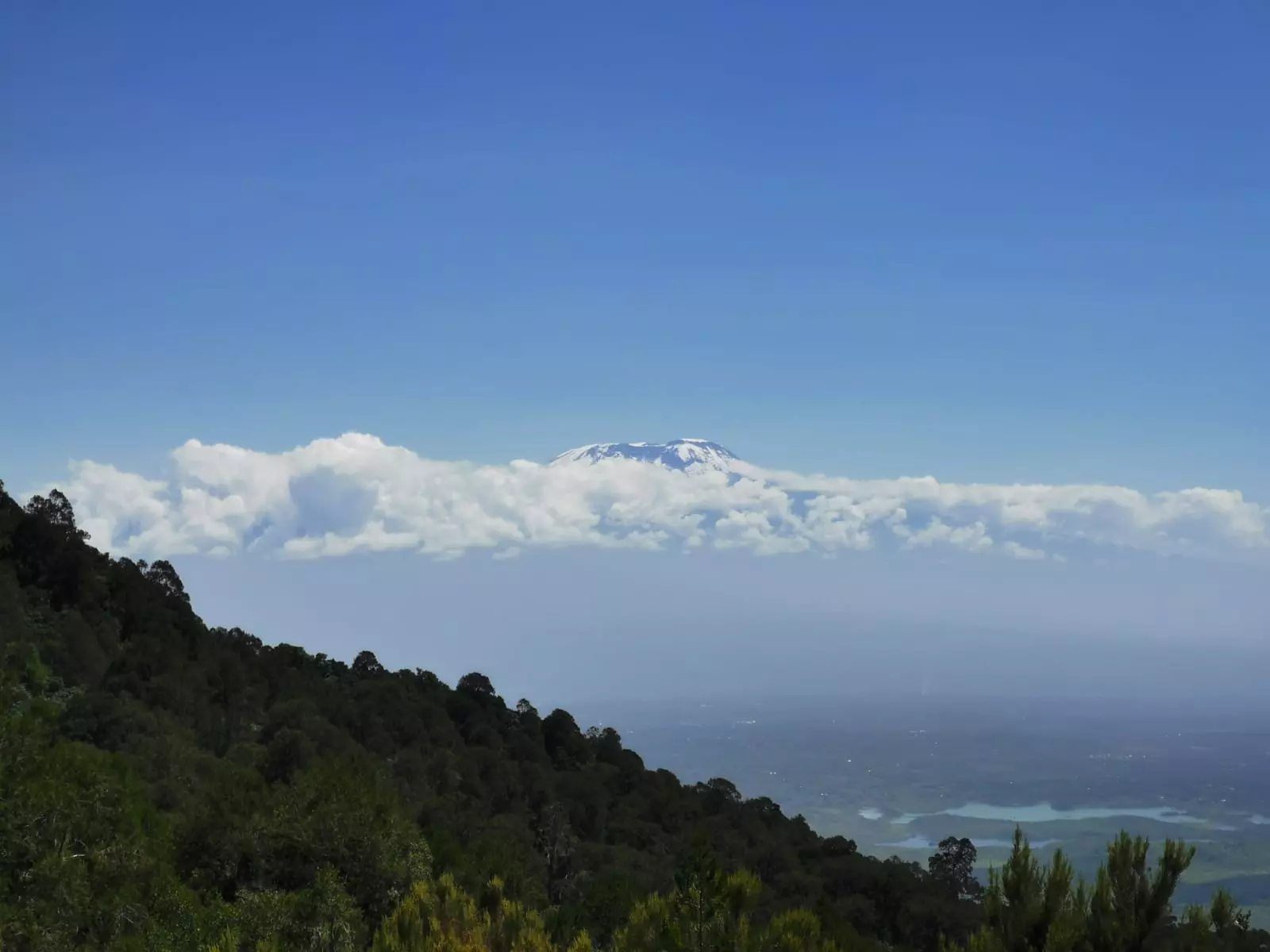
On a clear day, this vantage point affords excellent views of Kilimanjaro’s peak, 42 miles away.
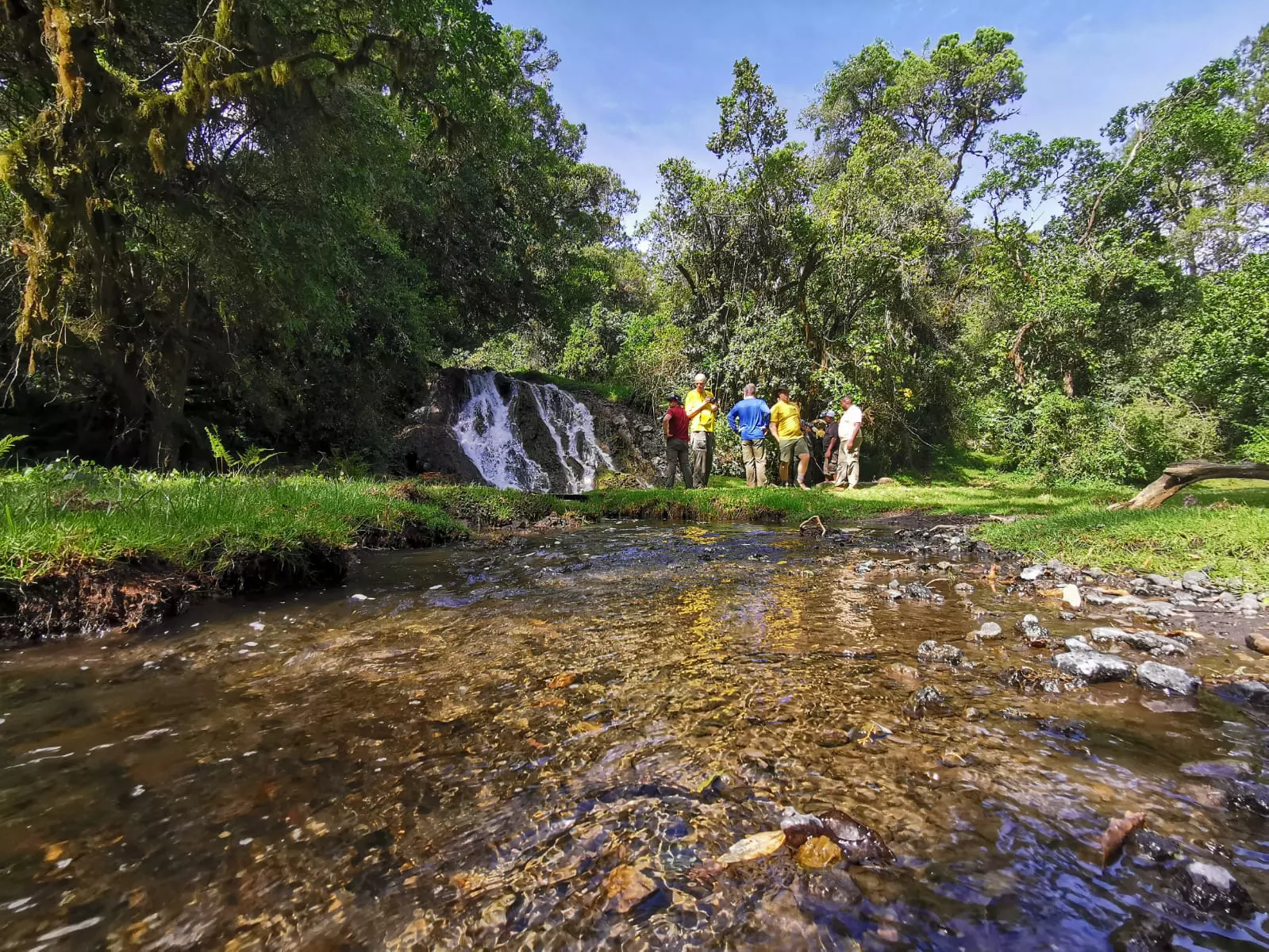
After lunch, descend on foot to vehicle and begin a short safari around the Momella Lakes where we hope to see some of the following: giraffe, elephant, hippo, buffalo, zebra and wildebeest.
Day 3: Arusha to Tarangire
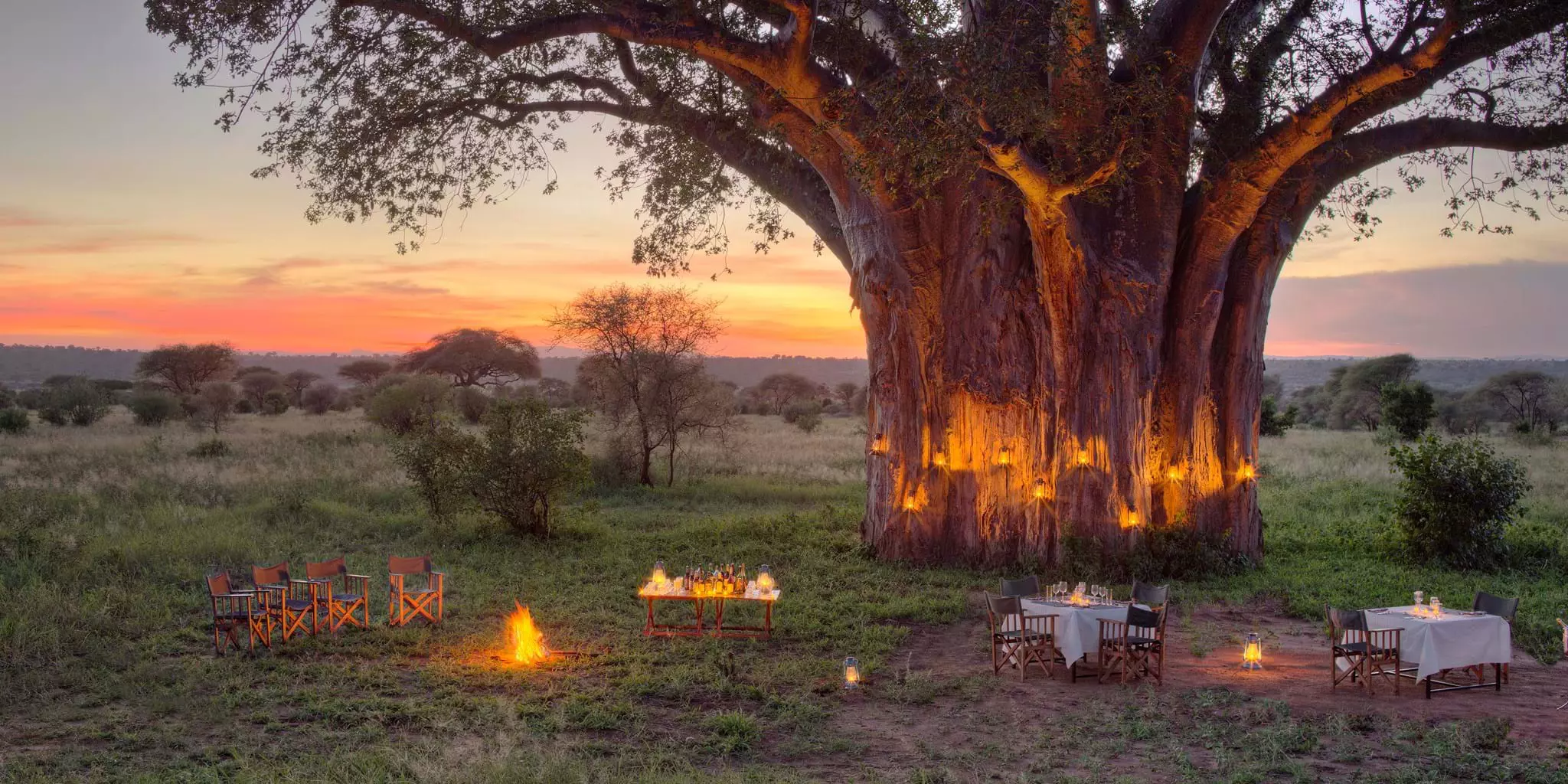
Depart Arusha at approximately and travel to Tarangire National Park for your first game drives. Tarangire is known for its large elephant population, classic savannah landscapes, and the Tarangire River, which attracts wildlife throughout the dry season.The park is also notable for its ancient baobab trees and excellent birdlife, with a wide range of species recorded year-round.
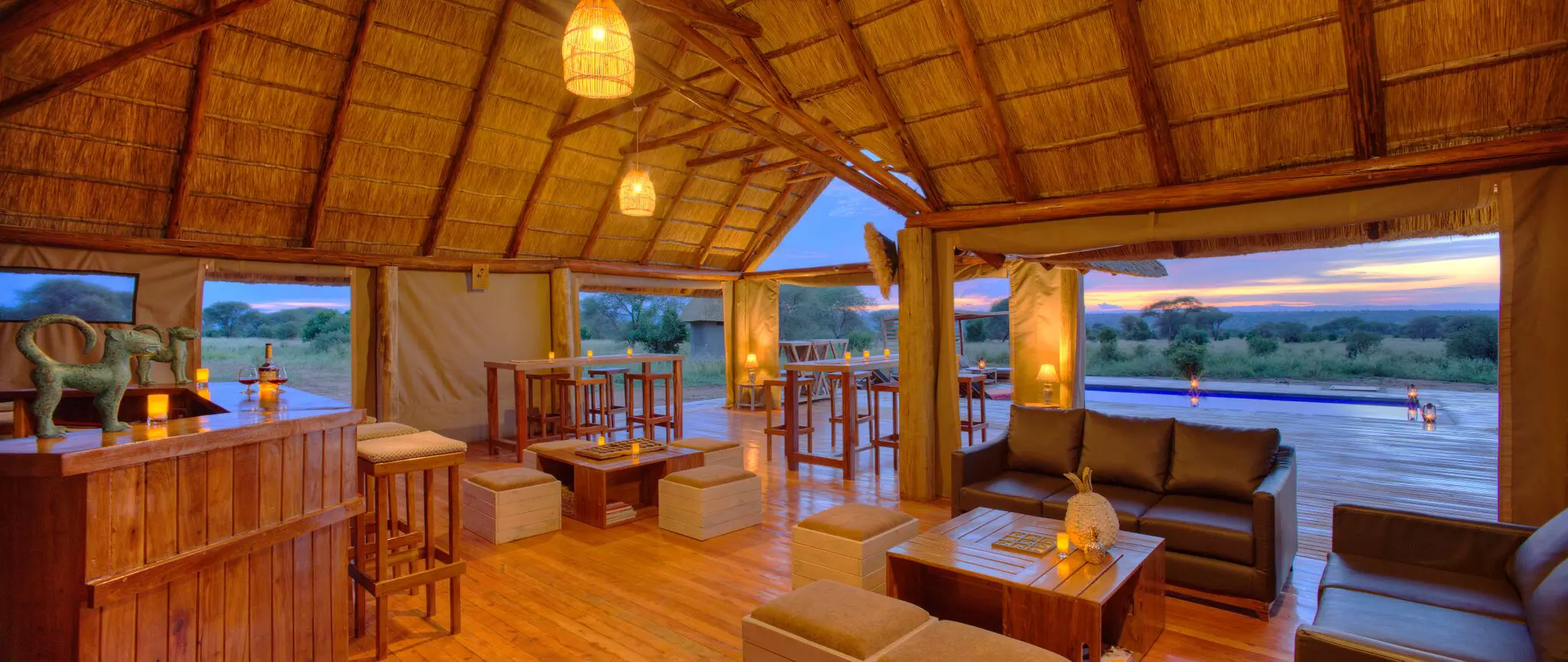
Overnight at Nasikia Tarangire Ndovu Tented Lodge
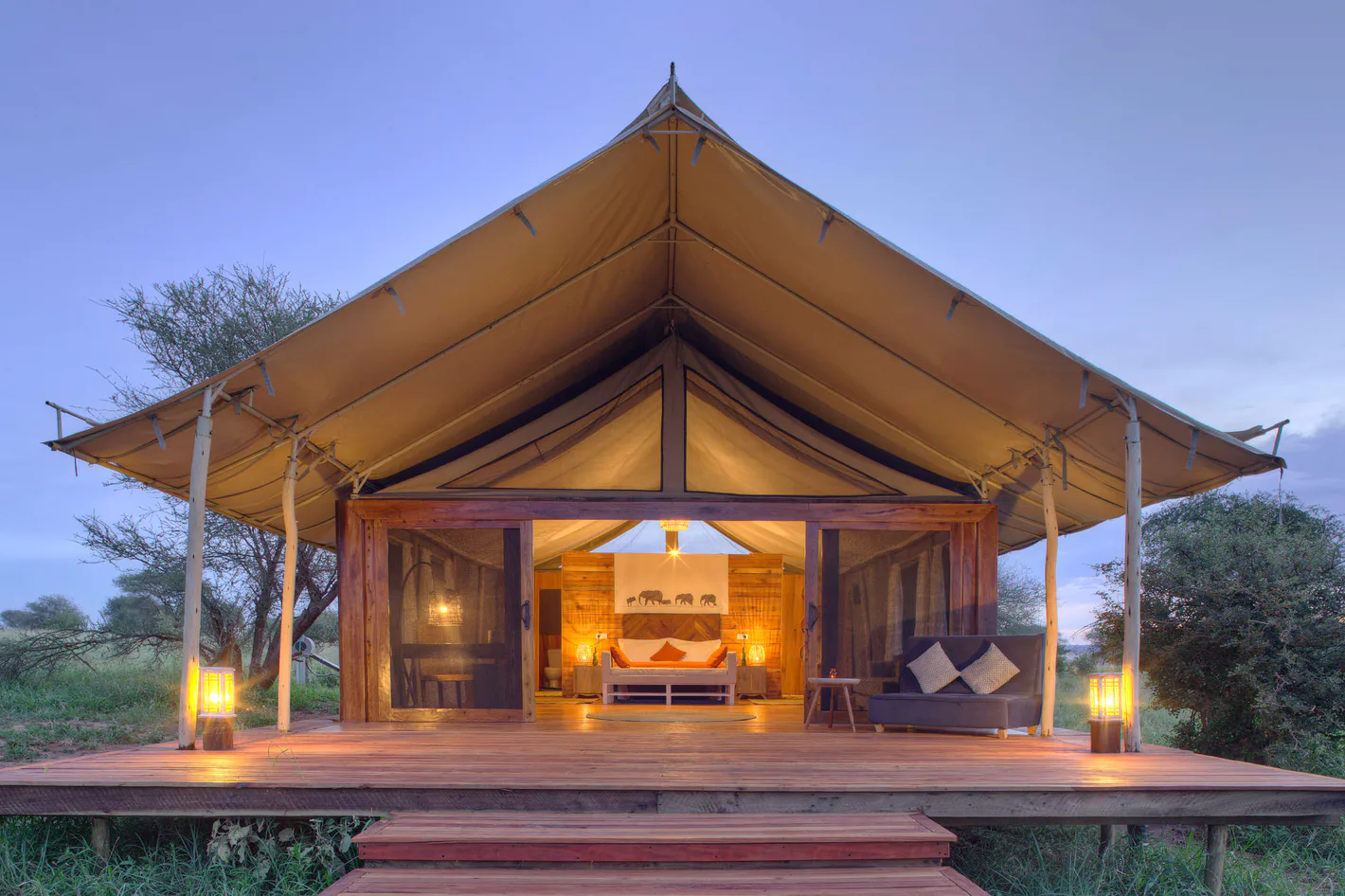
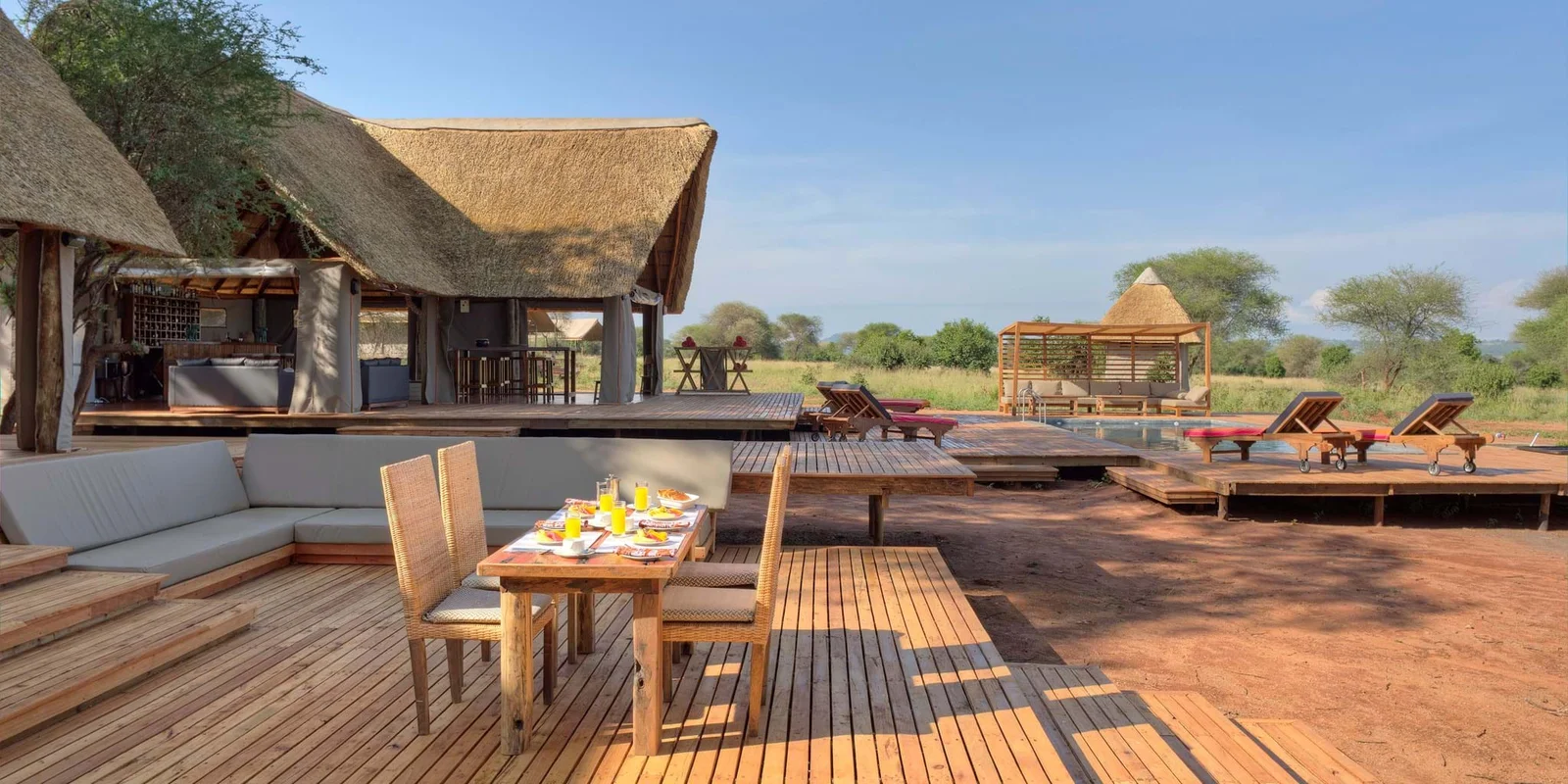
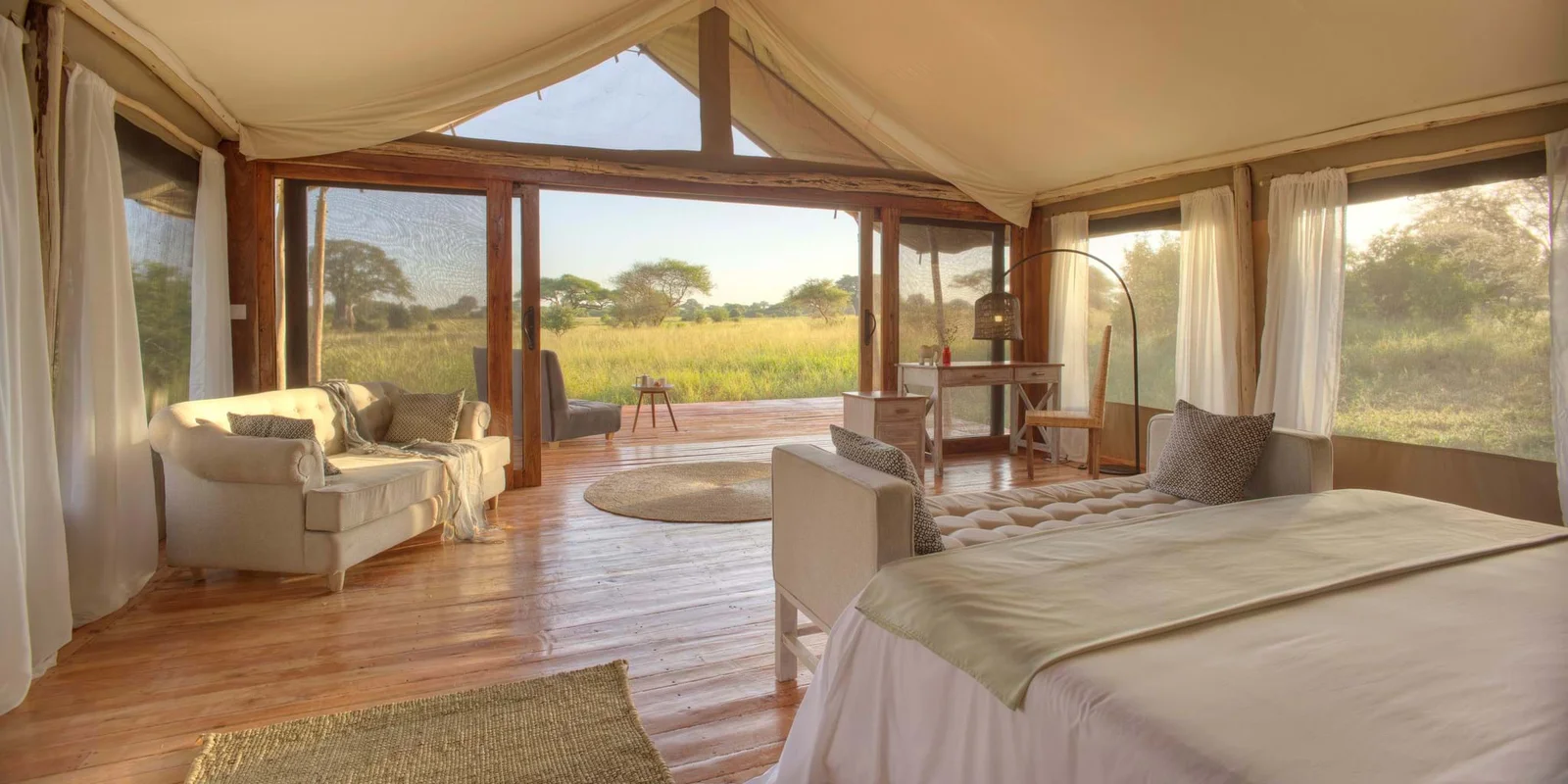
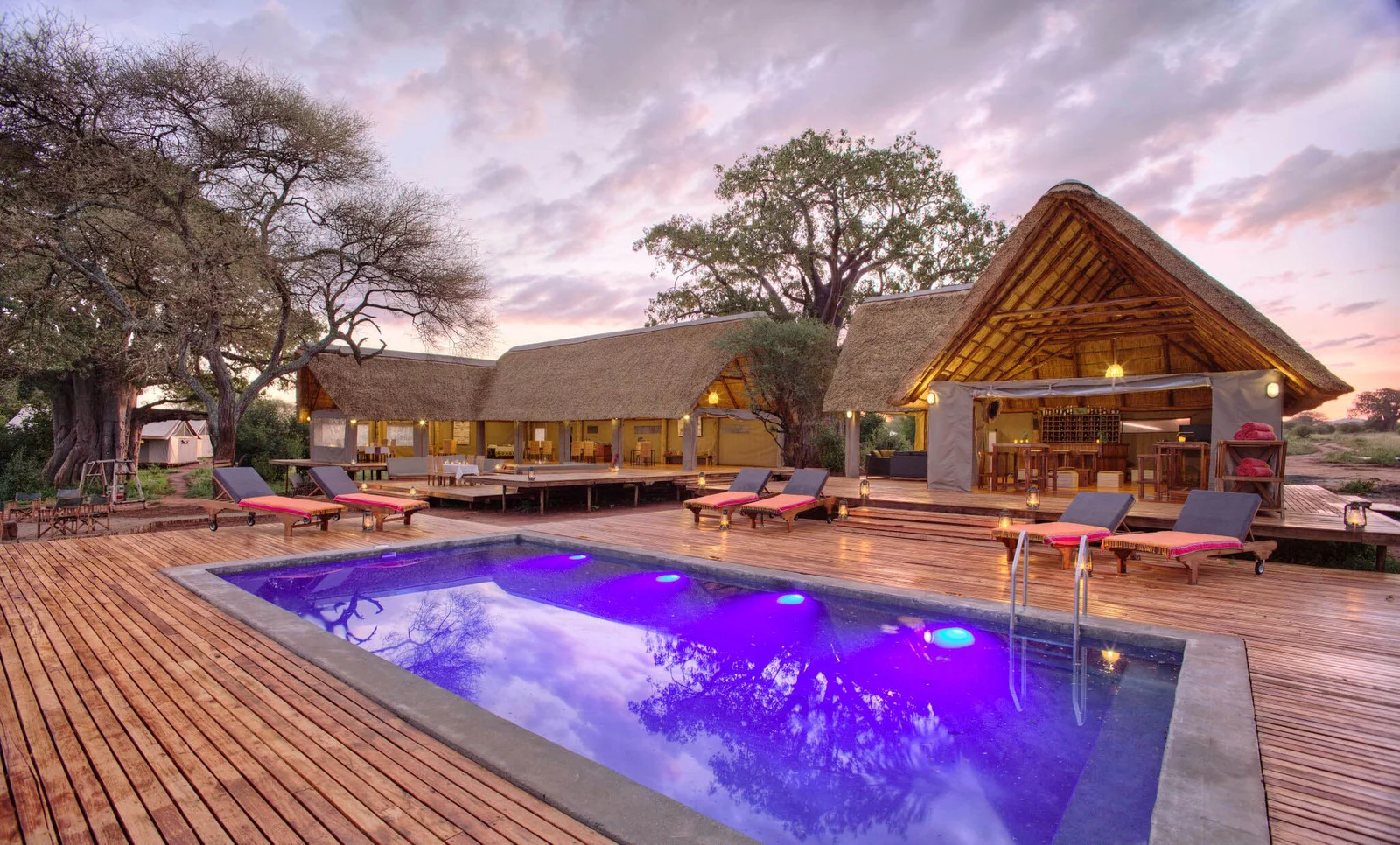
Day 4: Tarangire Walking Safari
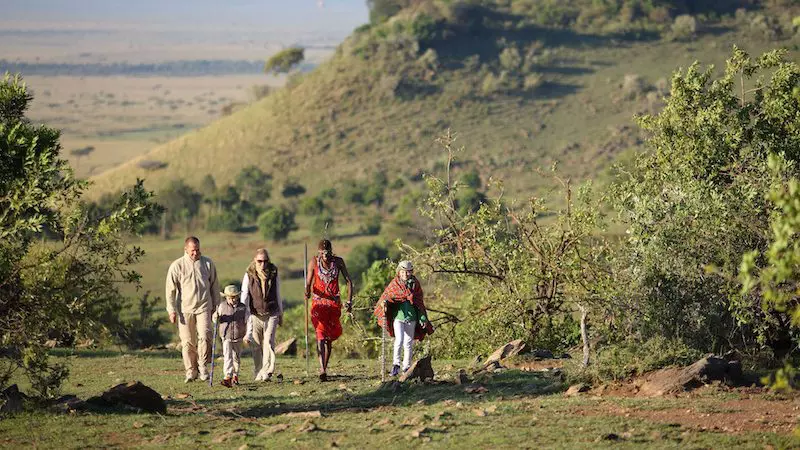
Experience Tarangire from the ground up. This morning, transfer to a designated area for a guided walking safari. With an armed ranger, you'll learn to read the wilderness through tracks, scat, and plant uses—feeling the texture of baobab bark and listening to the alarm calls of birds. This intimate, sensory experience reveals the smaller wonders of the ecosystem. Return to camp for lunch, followed by a traditional afternoon game drive to cover more distance and seek out the big game. This combination offers the perfect balance of immersion and spectacle.
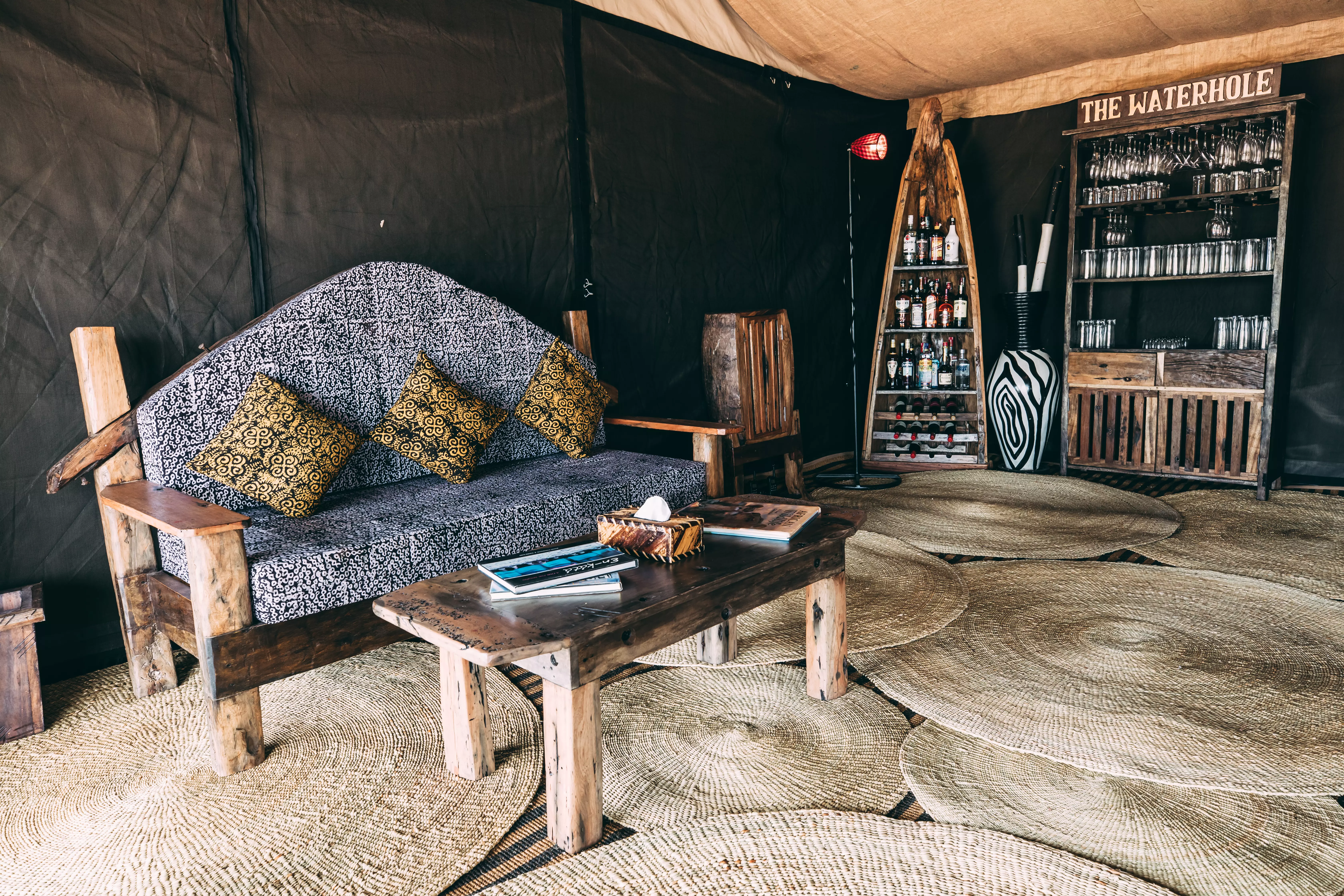
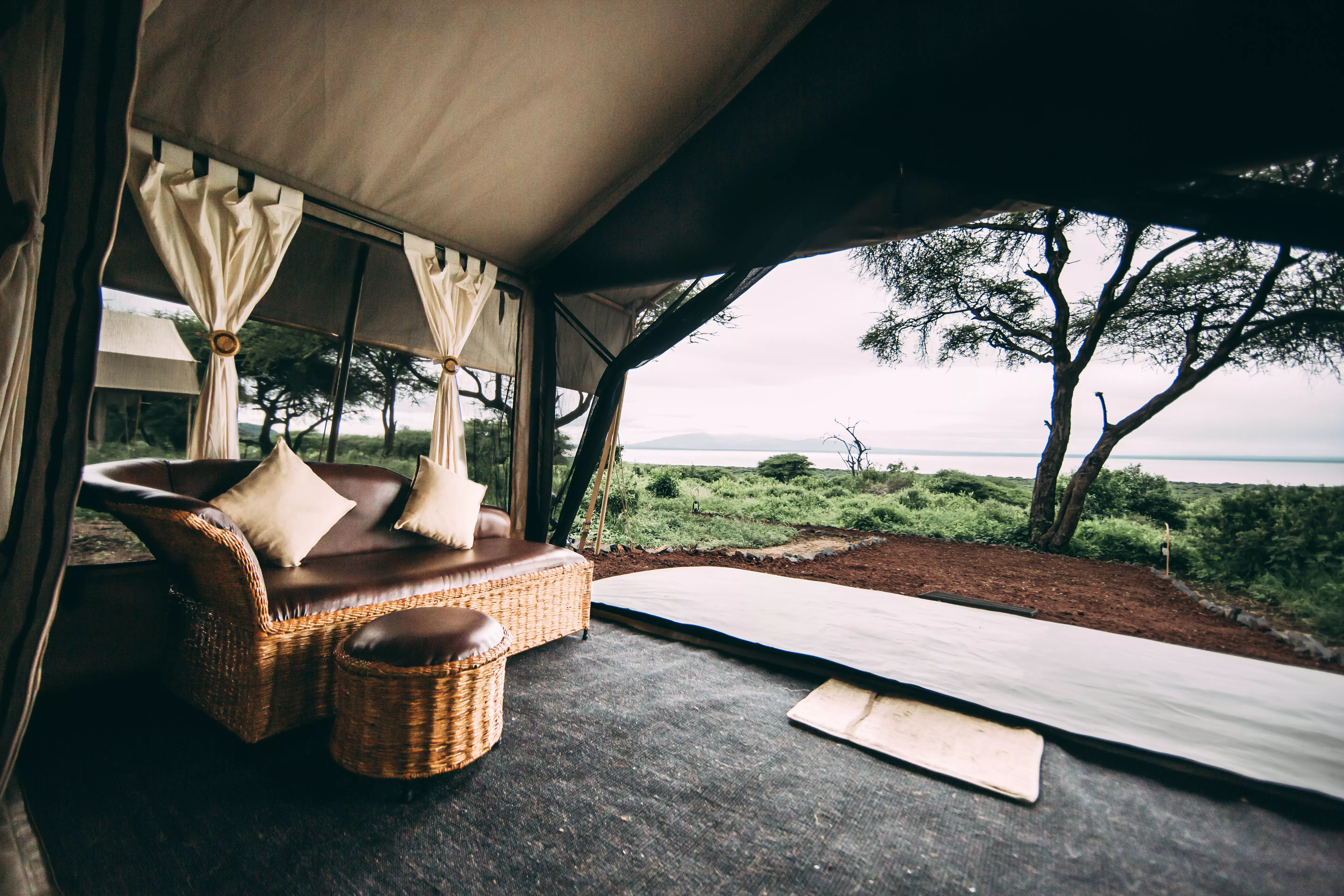
Arrive at your lodge, Tortilis Manyara Camp, in the late afternoon.
Day 5: Explore Lake Manyara
After breakfast, a short transfer brings you to the unique ecosystem of Lake Manyara. Your game drive takes you through a dense, jungle-like groundwater forest—a startling contrast to the open savannah—where troops of baboons and blue monkeys roam. The park's claim to fame is its tree-climbing lions. Spend the morning searching for these iconic predators lounging in the branches of acacia trees, a behavior rare elsewhere. The open lakeshore reveals elephant, buffalo, and spectacular birdlife, with thousands of flamingos creating a pink haze on the water.
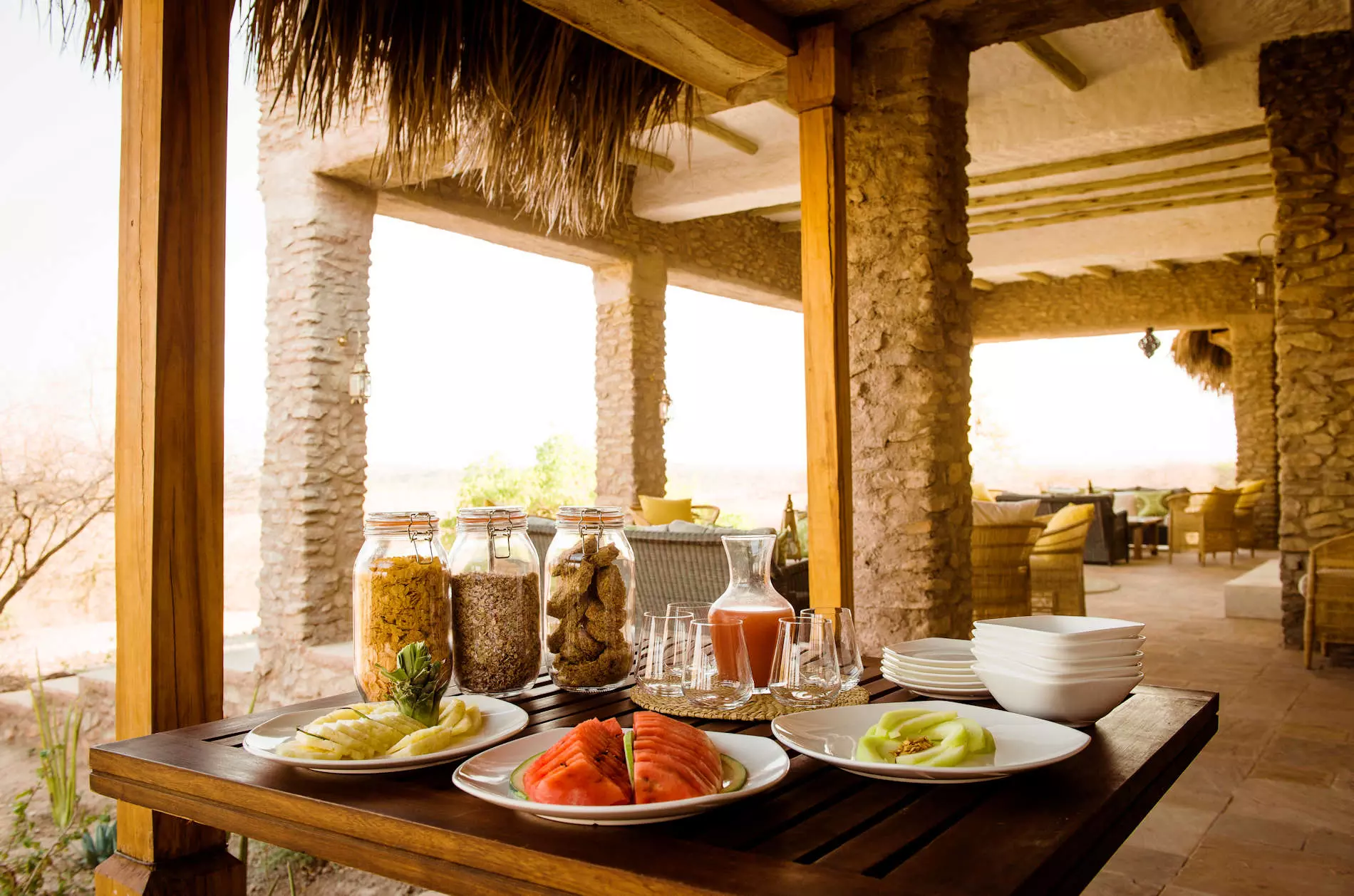
Arrive at Ziwani Lodge for dinner and overnight.
Day 6: Lake Eyasi Cultural Visit
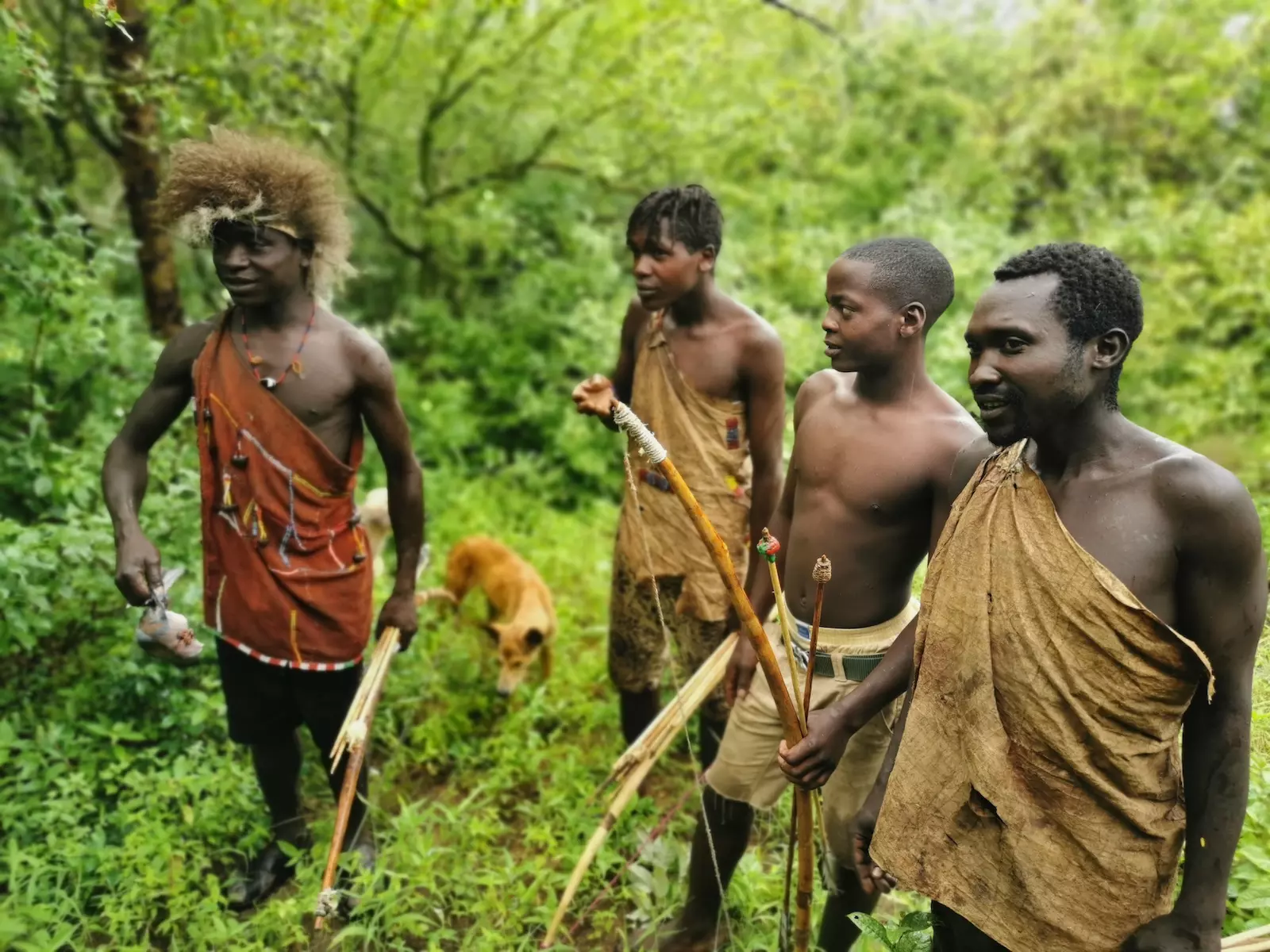
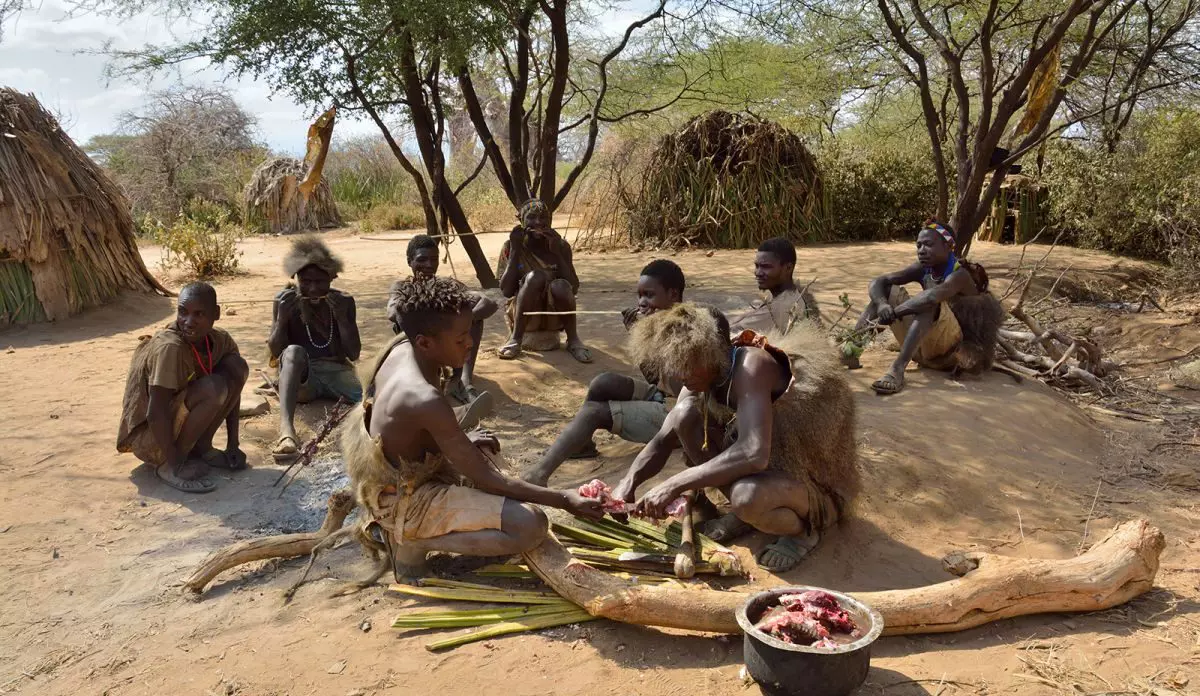
Awake before dawn for a truly immersive cultural experience to meet the Hadzabe, one of Africa's last true hunter-gatherer tribes, whose language includes distinctive click sounds. You'll join the men on a traditional hunt using bows and arrows, learning ancient tracking skills. Later, visit a settlement of the Datoga people, skilled blacksmiths, to see their craftsmanship. This is not a performance; it's a privileged insight into resilient, traditional ways of life that have endured for millennia—a profound human highlight of your safari.
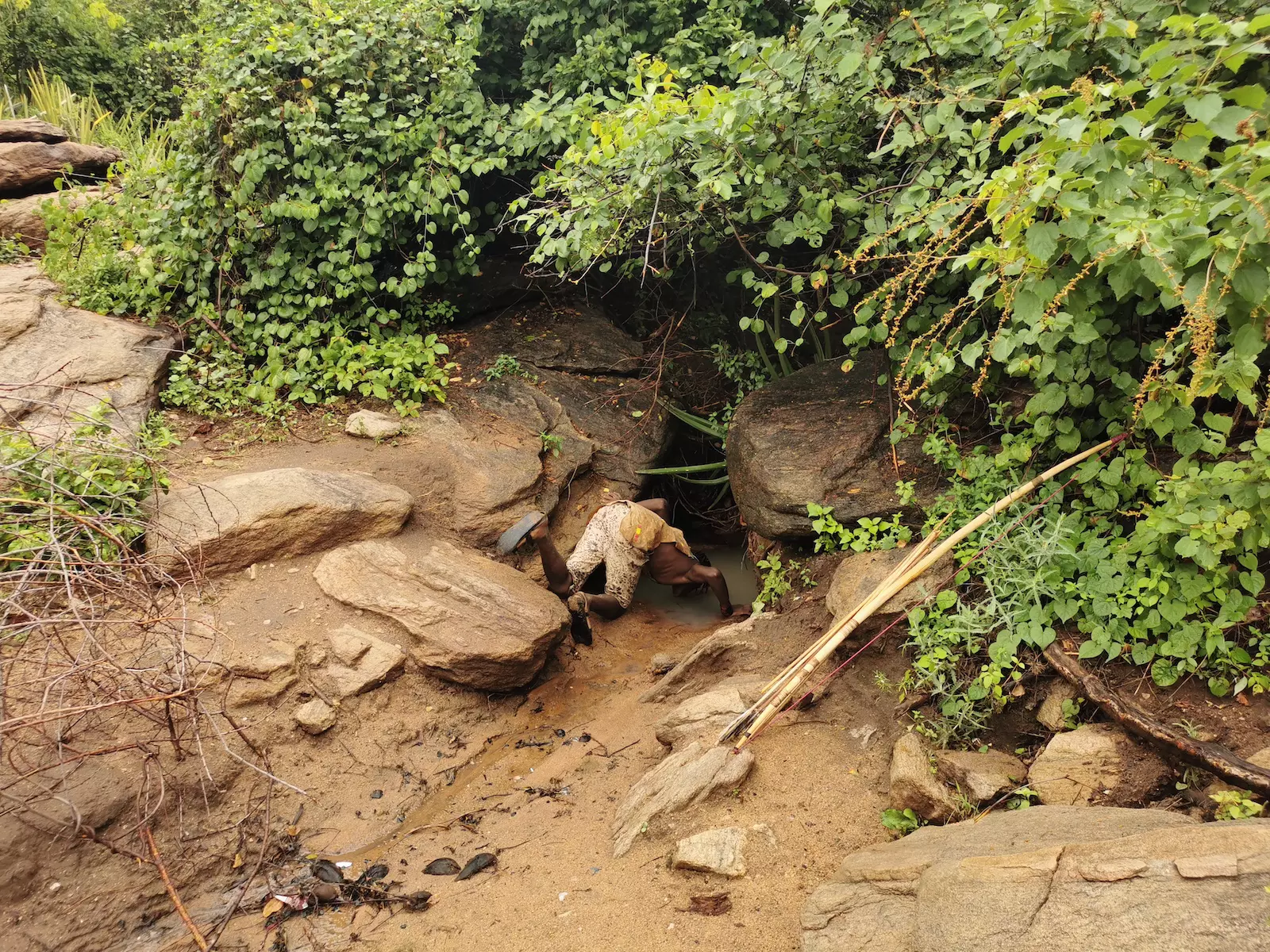
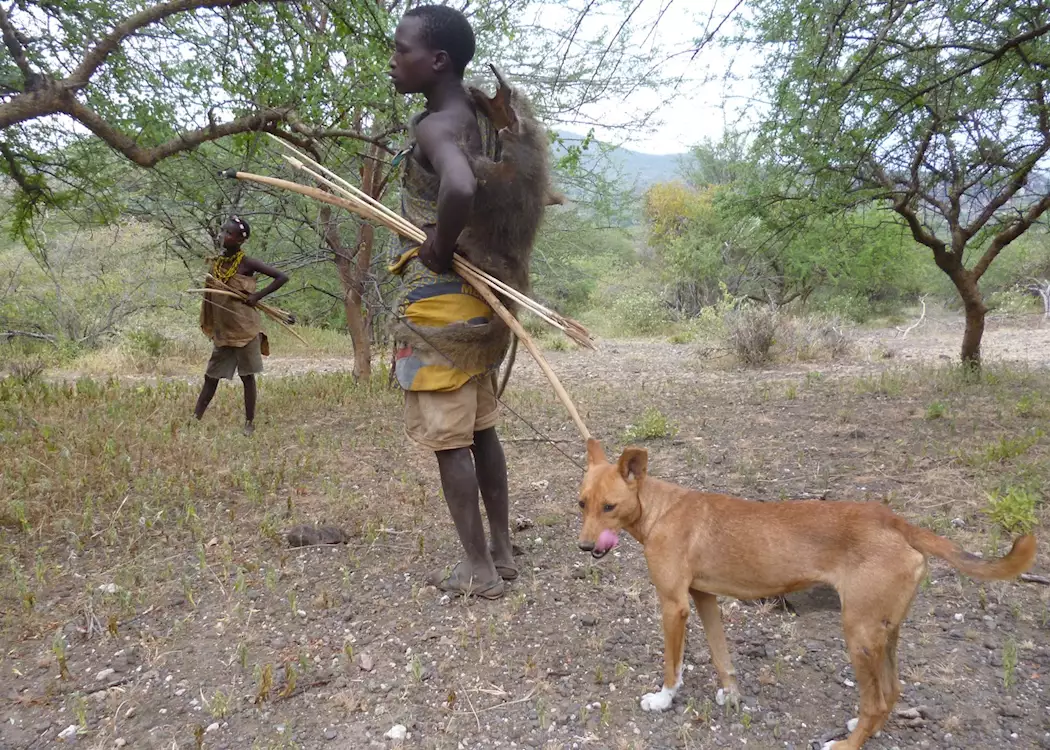
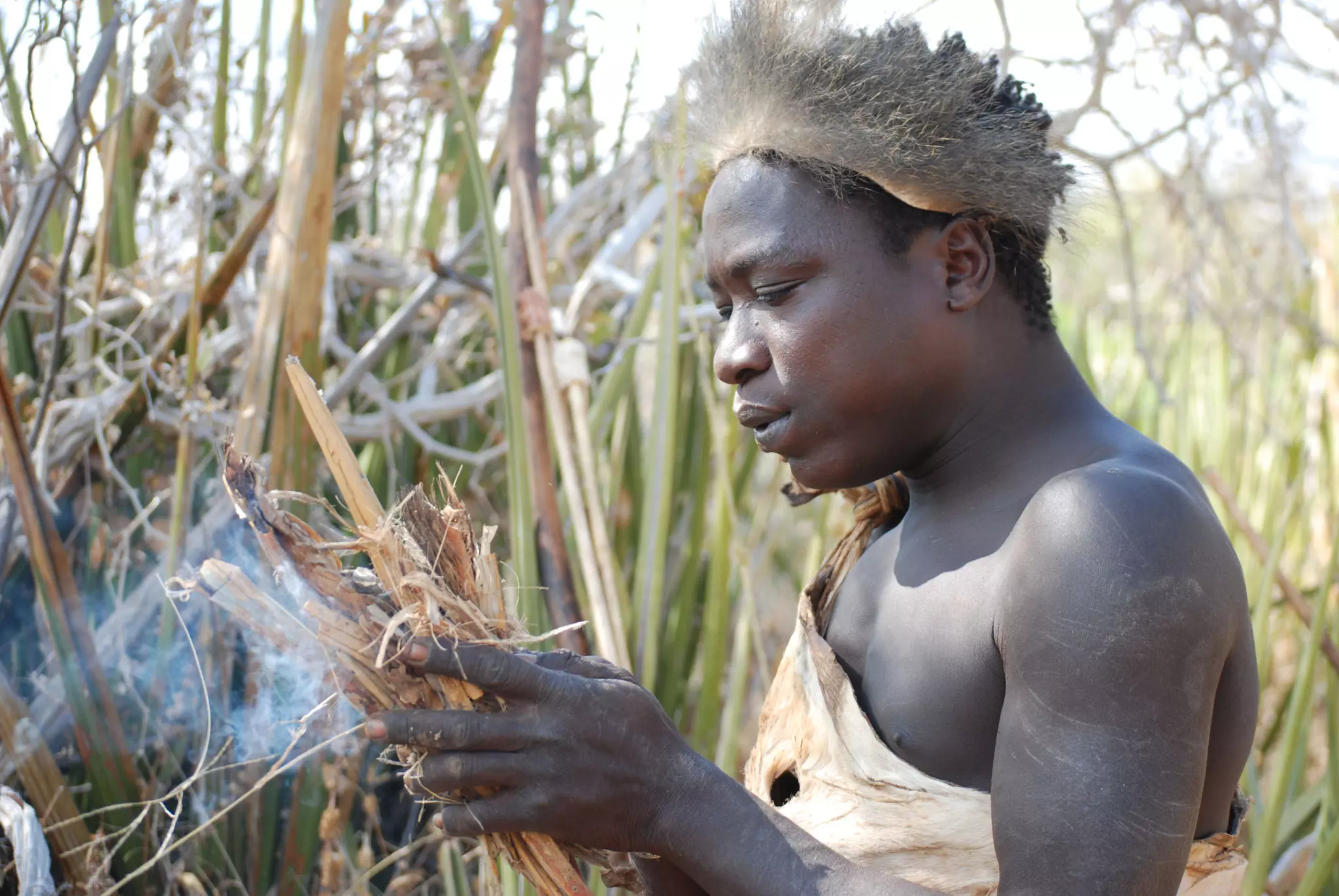
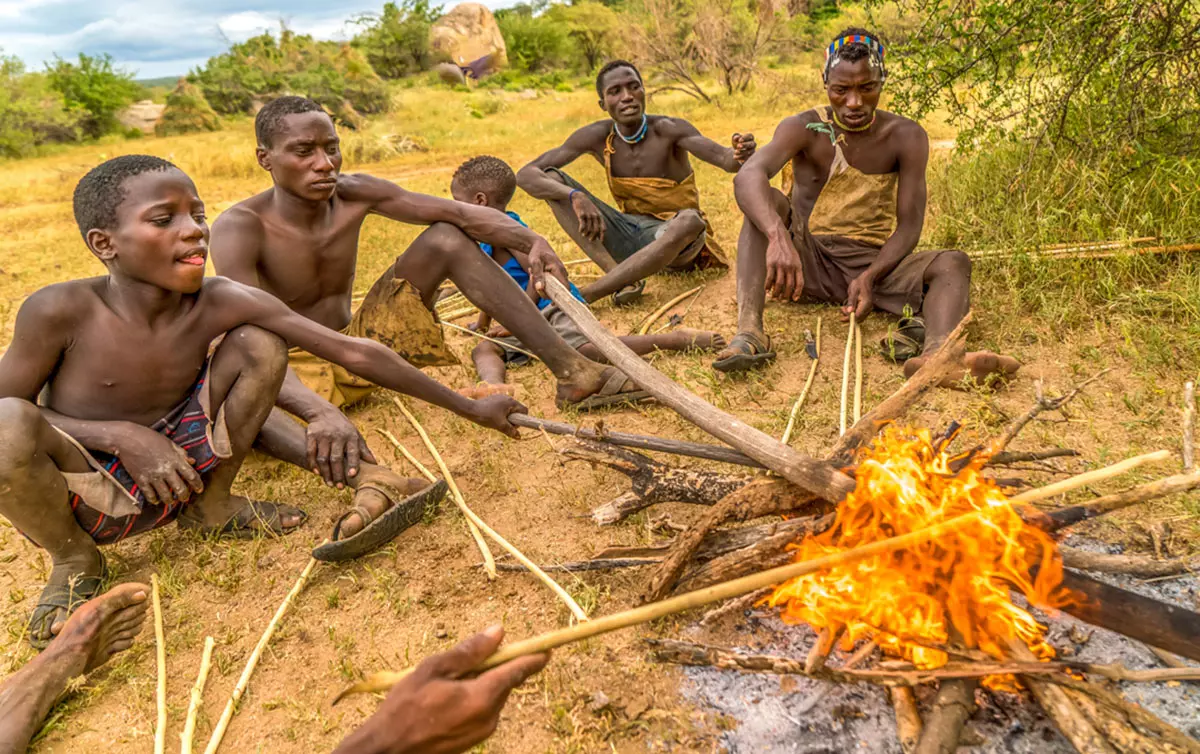
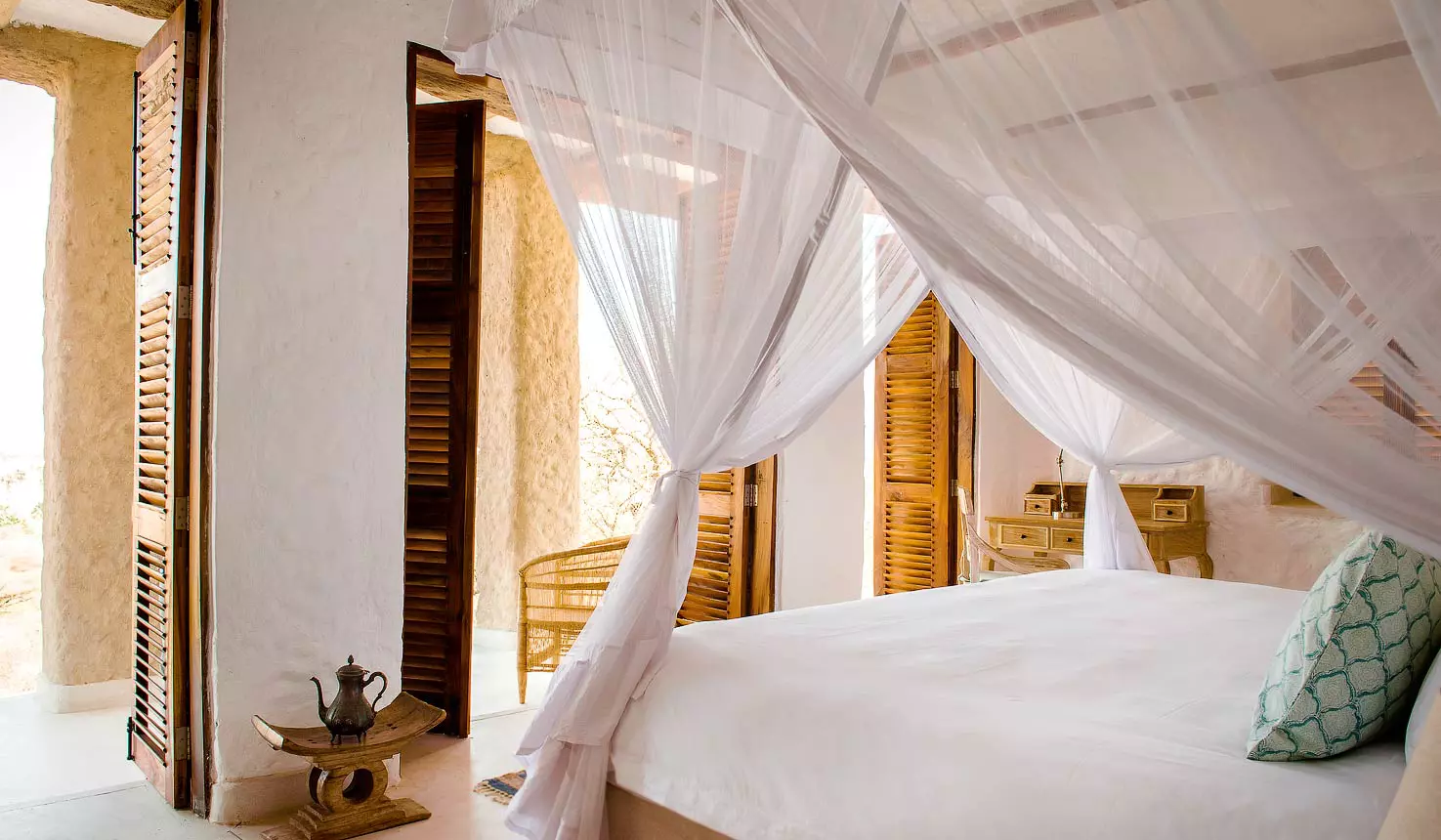
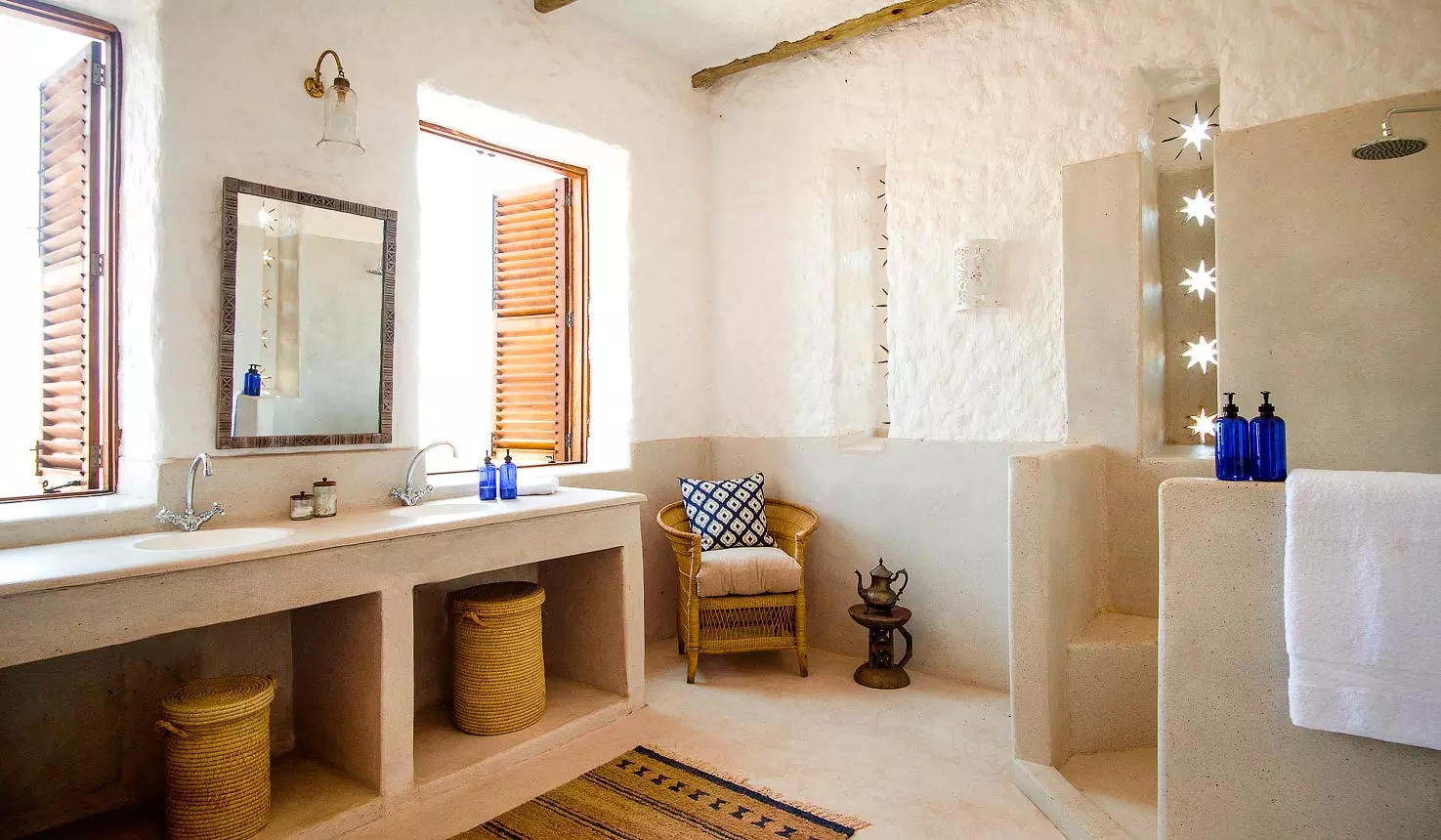
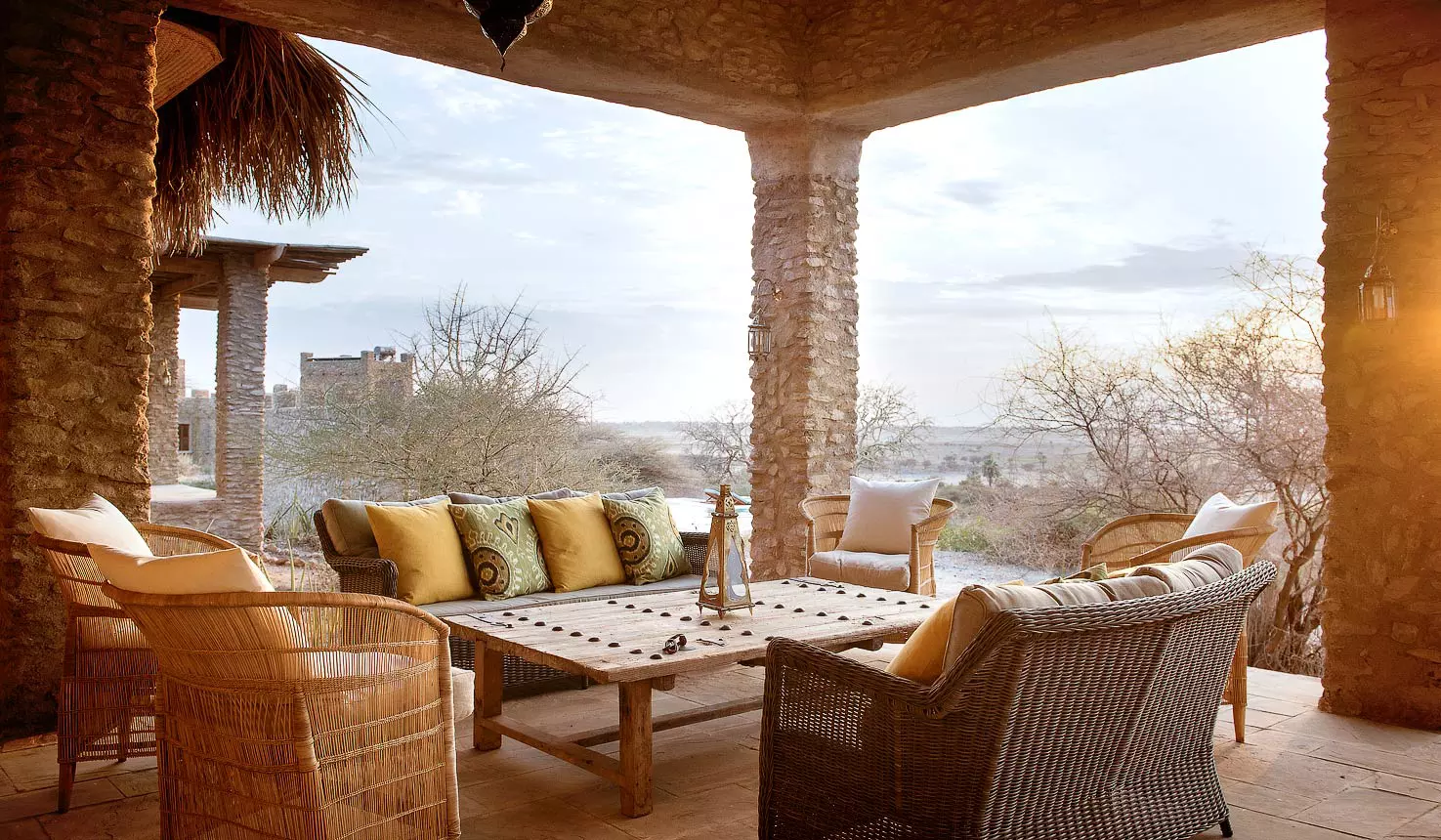
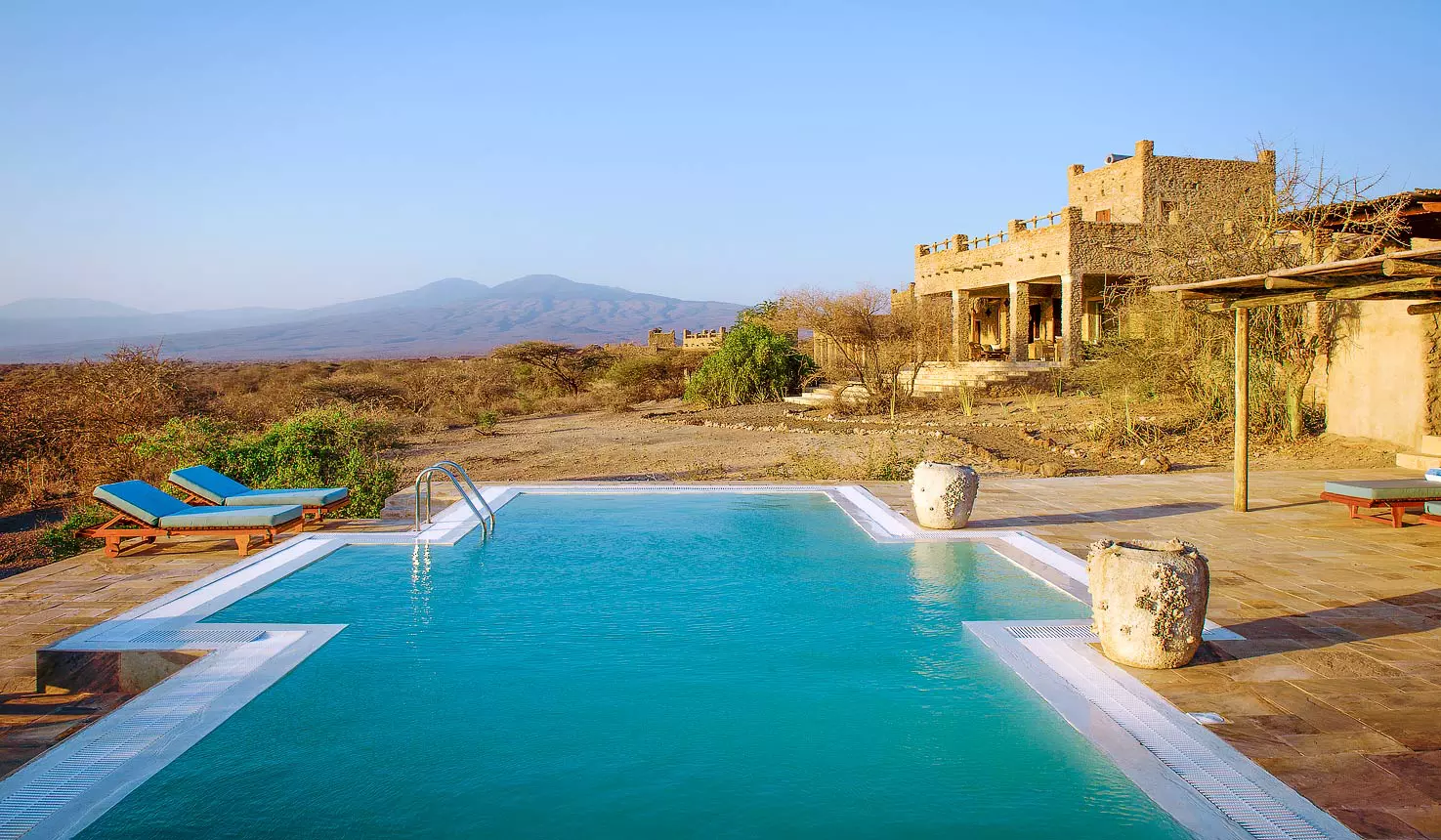
Later in the day, continue your journey to EAC Pakulala Luxury Safari Camp for dinner and overnight.
Day 7: Ngorongoro Crater
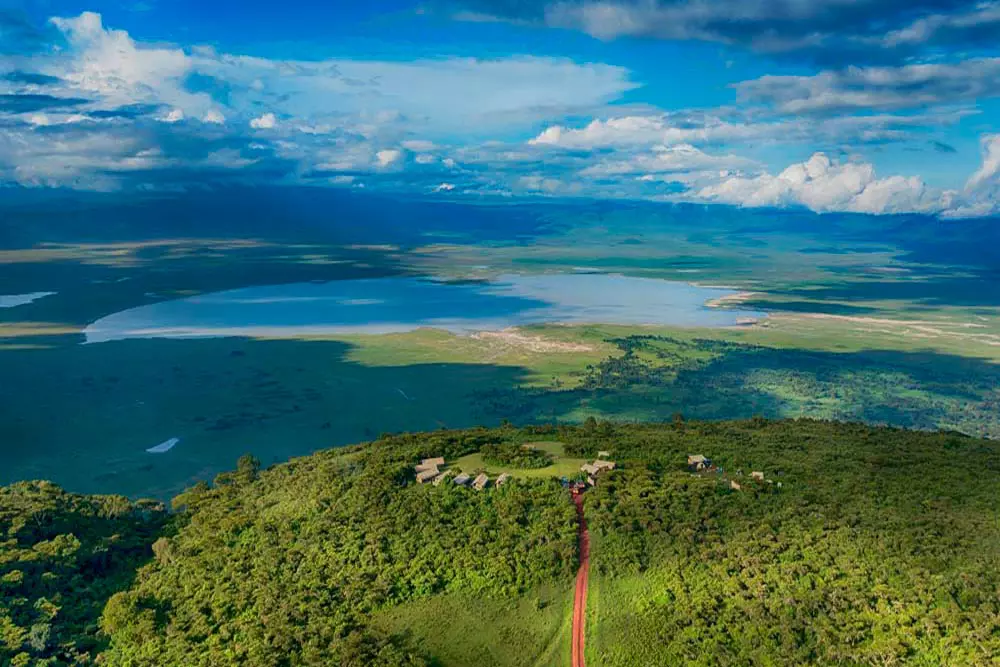
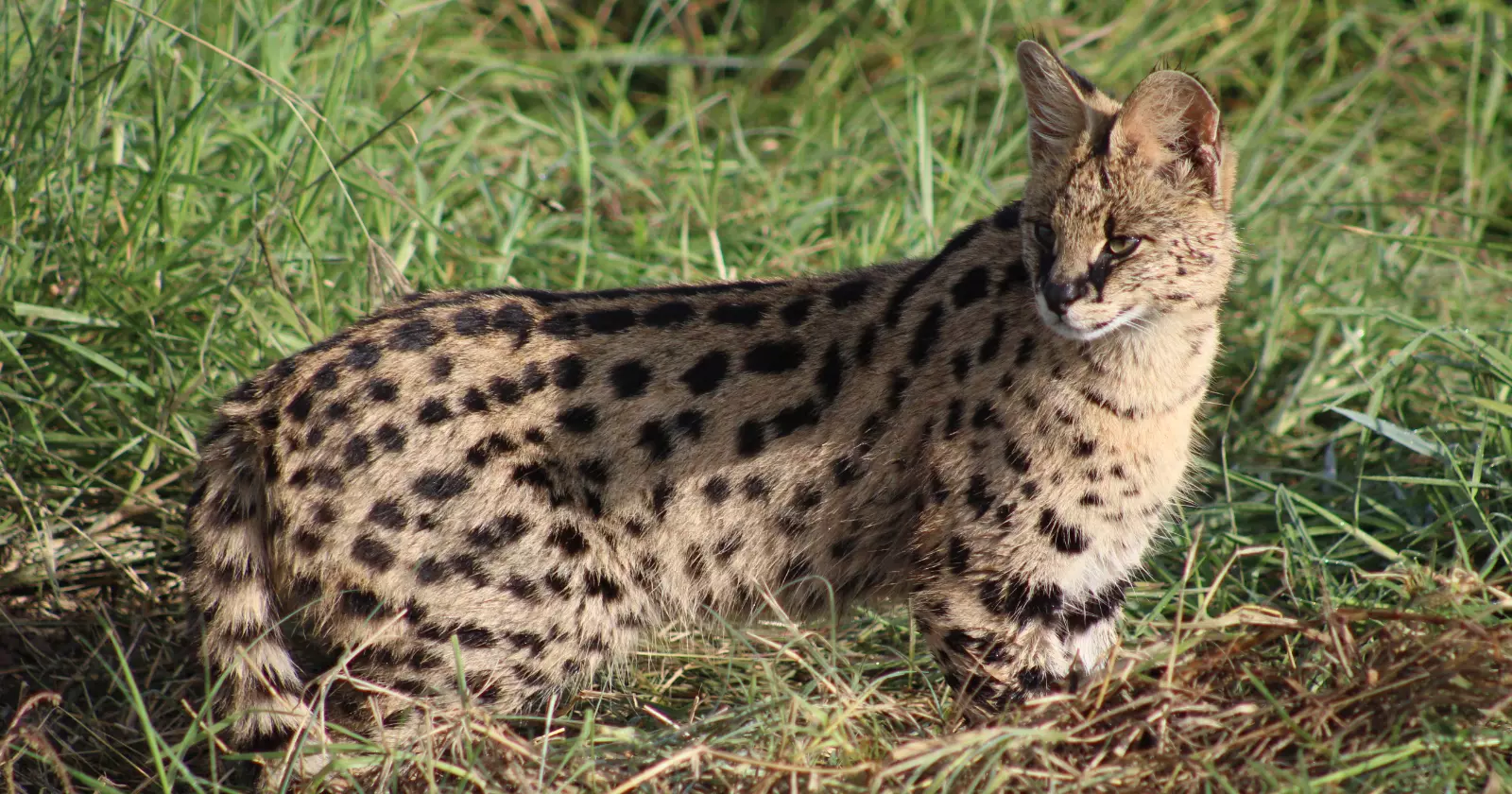
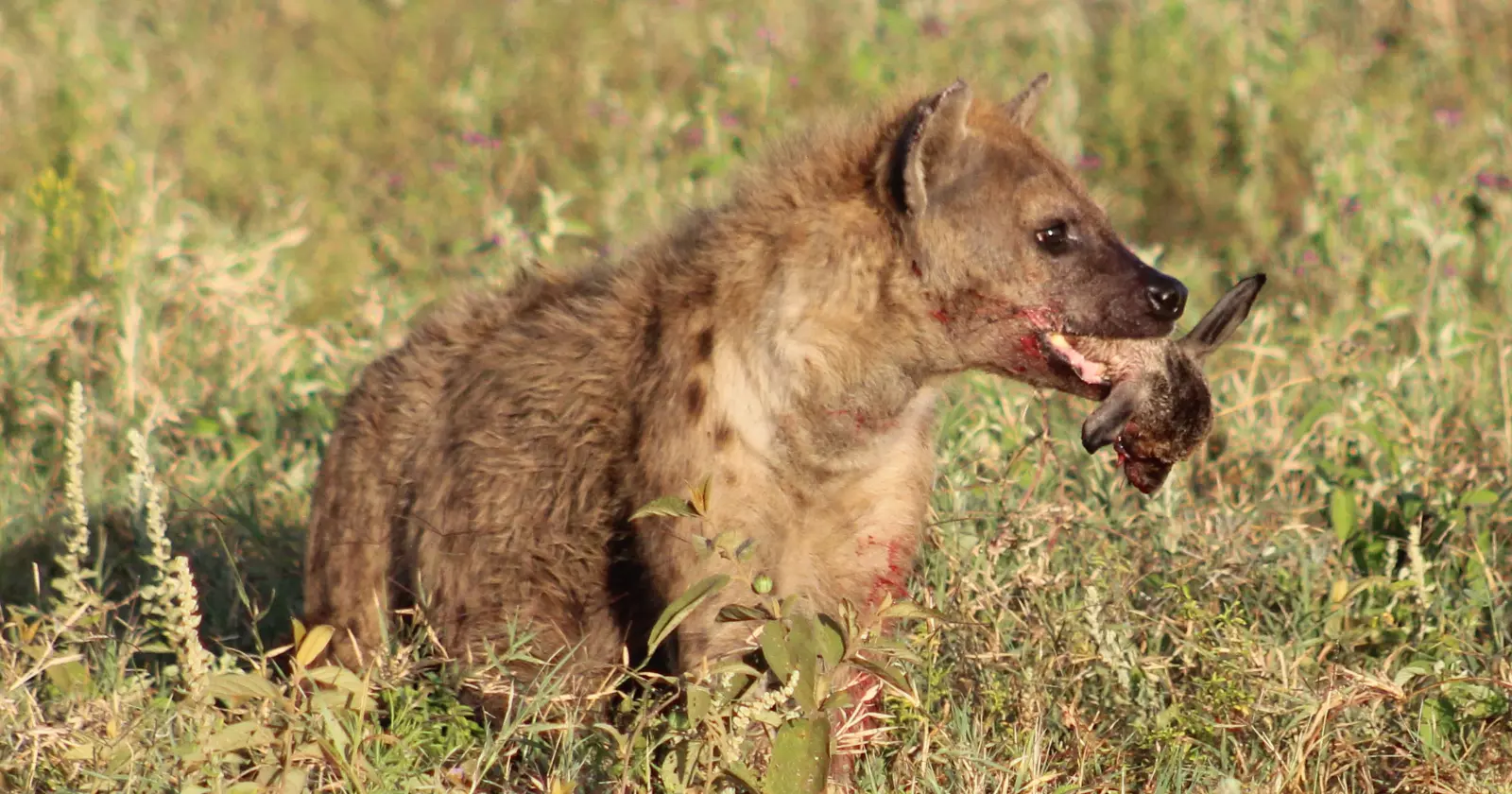
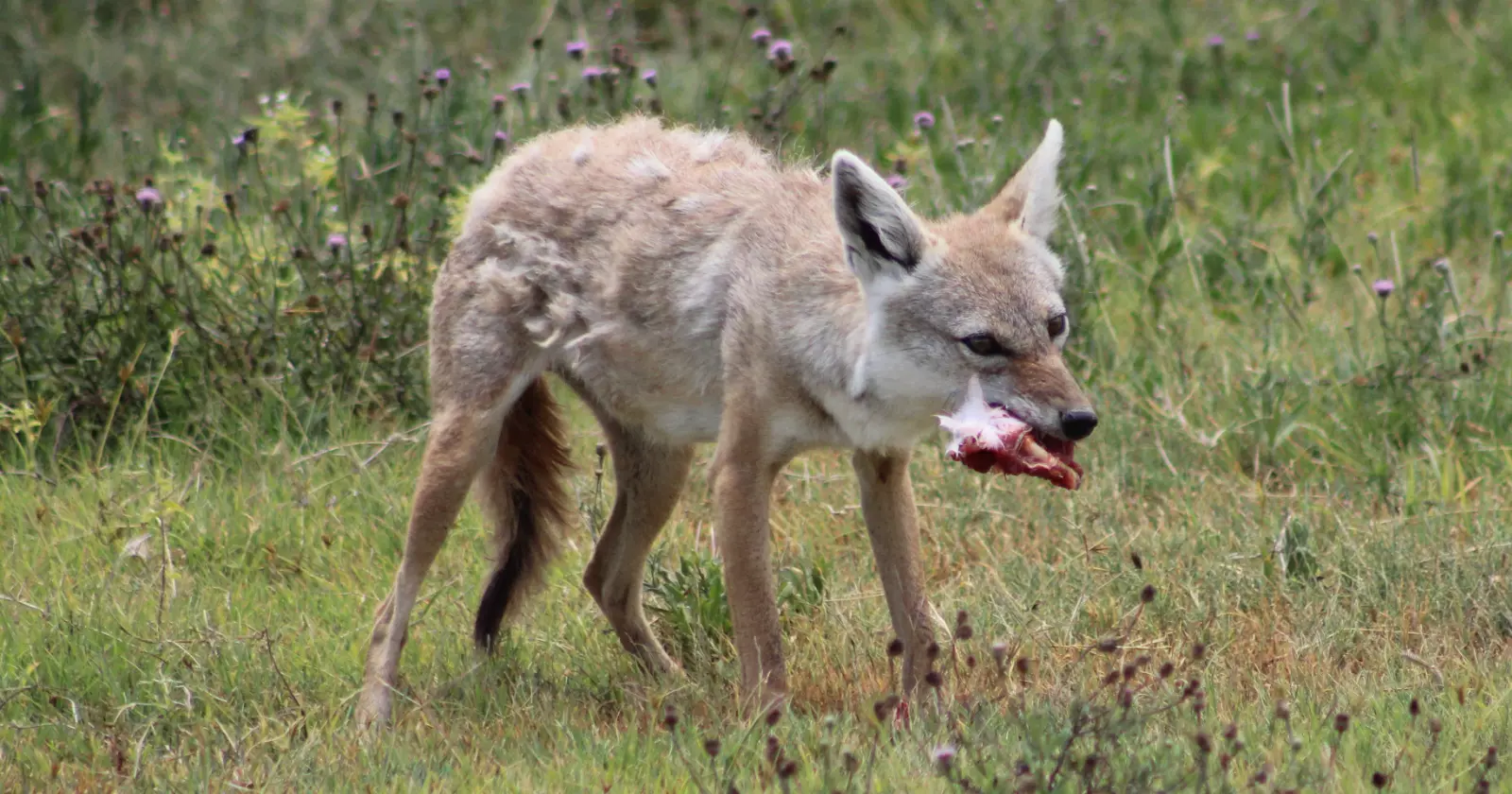
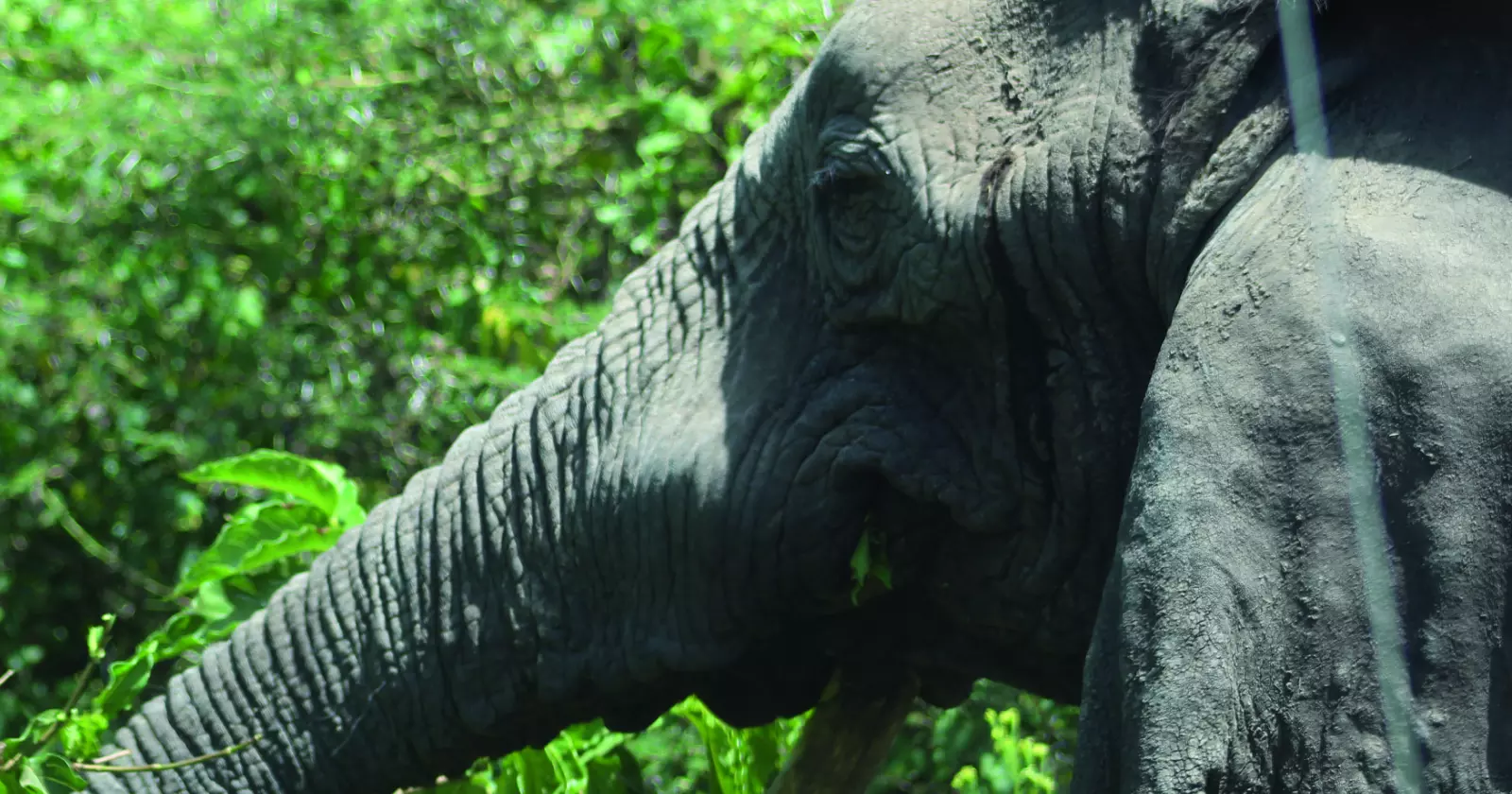
Depart early this morning for your descent into the Ngorongoro Crater, carrying a packed breakfast to enjoy during your game drive. The crater floor offers one of the most concentrated wildlife experiences in Africa, with excellent chances of seeing lion, elephant, buffalo, zebra, and, with luck, the elusive black rhinoceros.
The Ngorongoro Crater is often referred to as a natural amphitheatre, formed by the collapse of a volcanic caldera, and supports a remarkable diversity of wildlife within a relatively compact area.
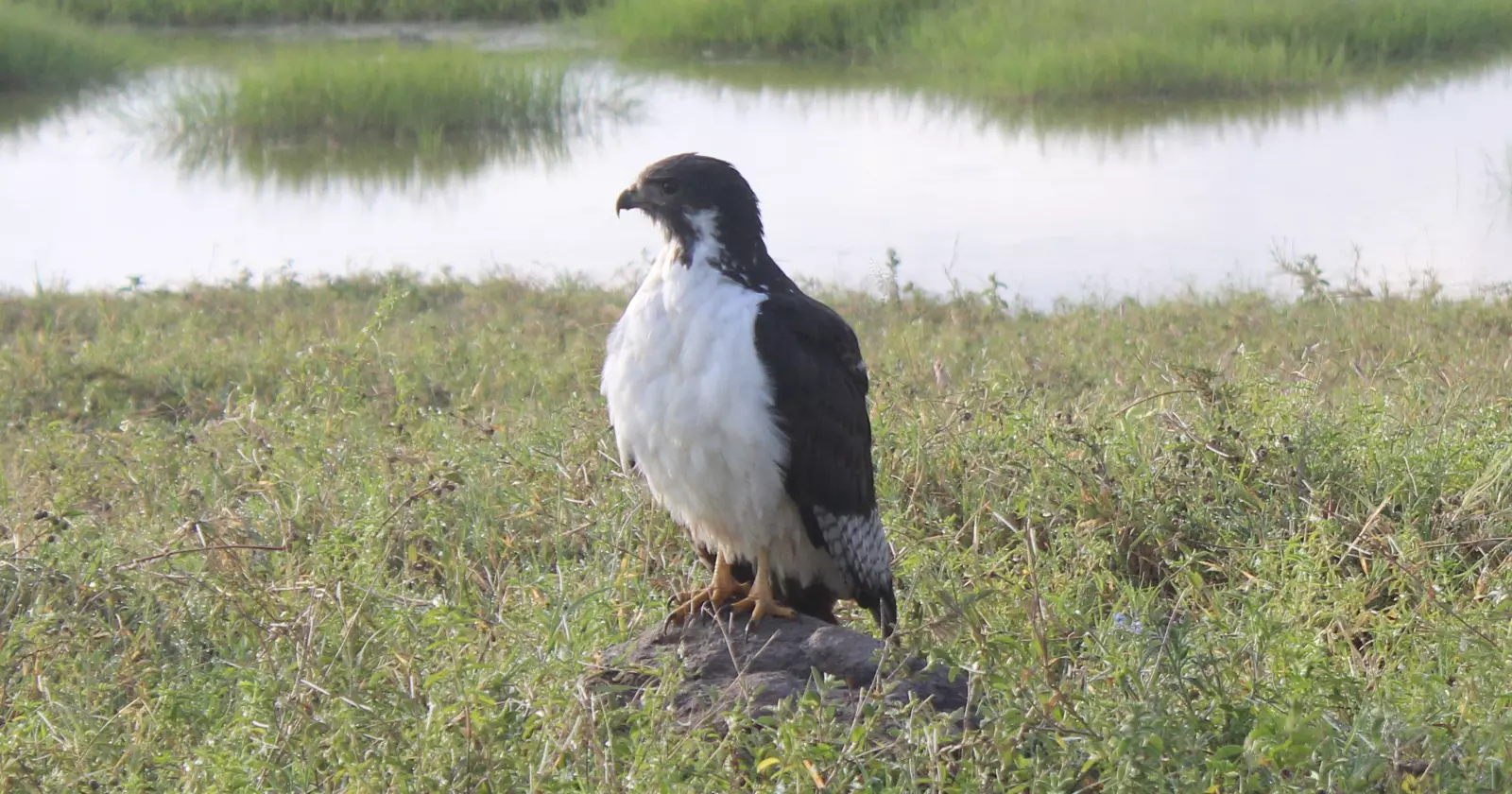
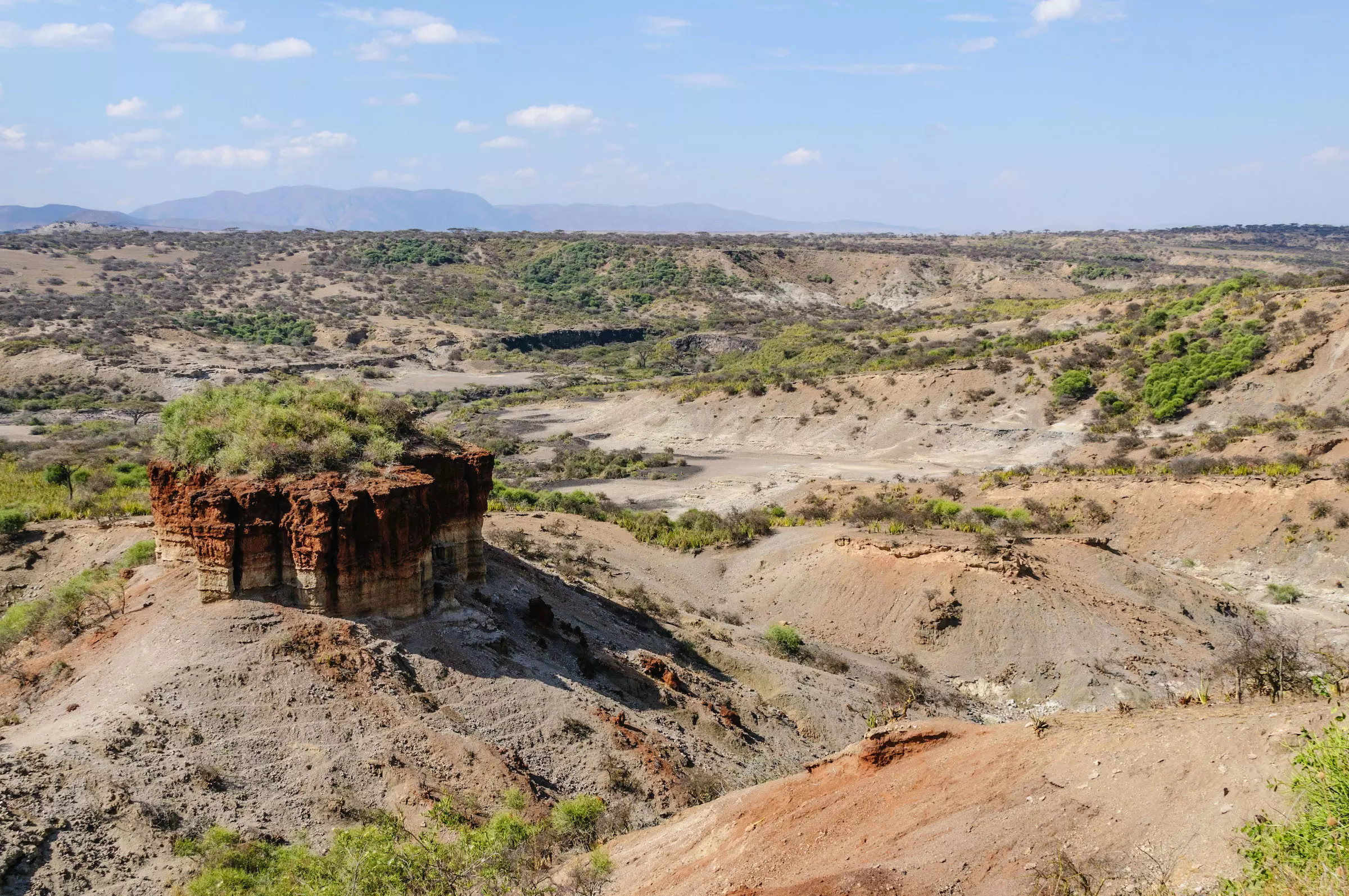
Visit Olduvai Gorge, a well-known archaeological and geological site within the Ngorongoro Conservation Area. The area is often associated with research into early human history, and your stop provides context on the site and its surroundings.
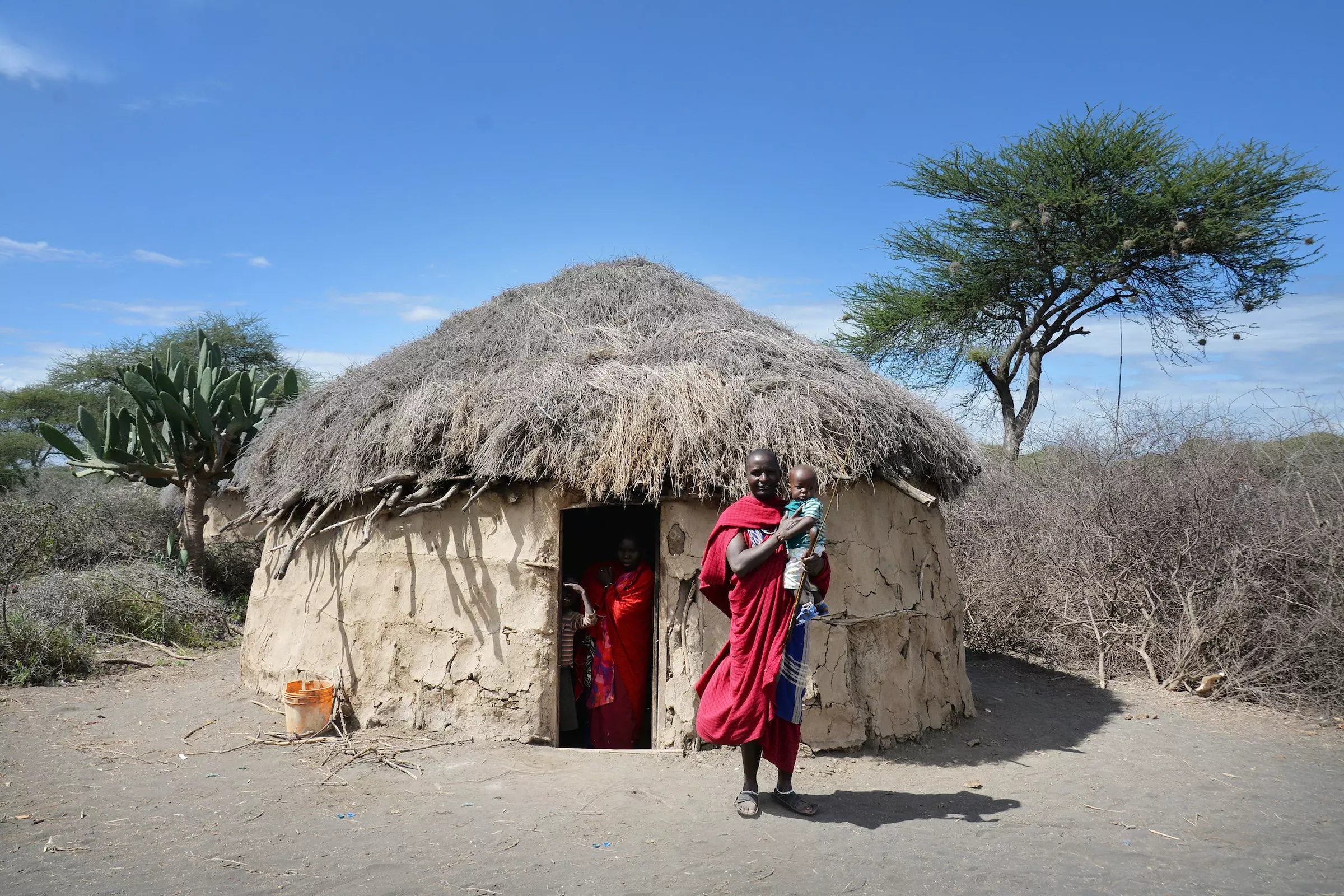
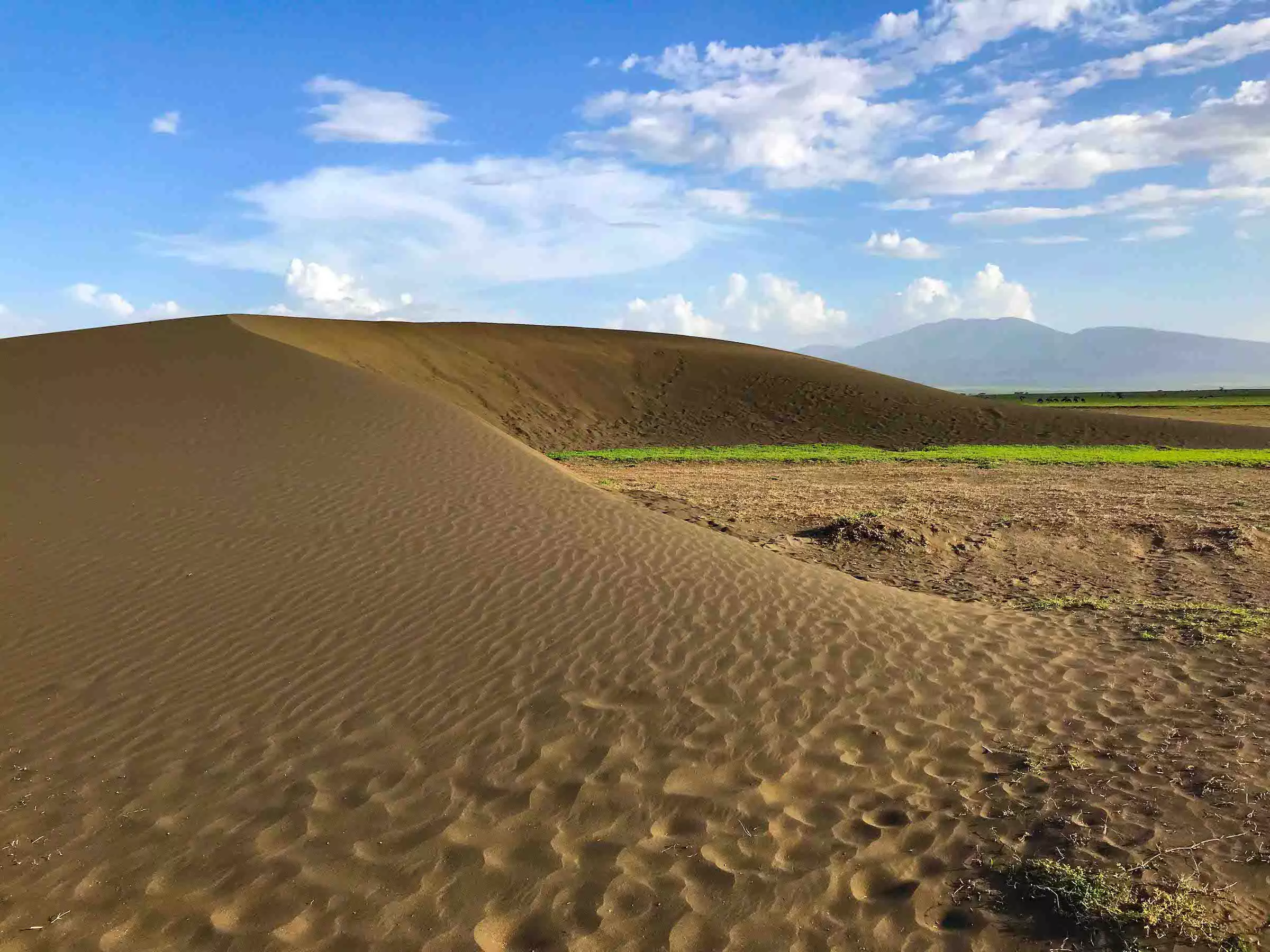
Continue thereafter to for overnight TWC Lake Masek Tented Lodge
Day 8: Ndutu Plains
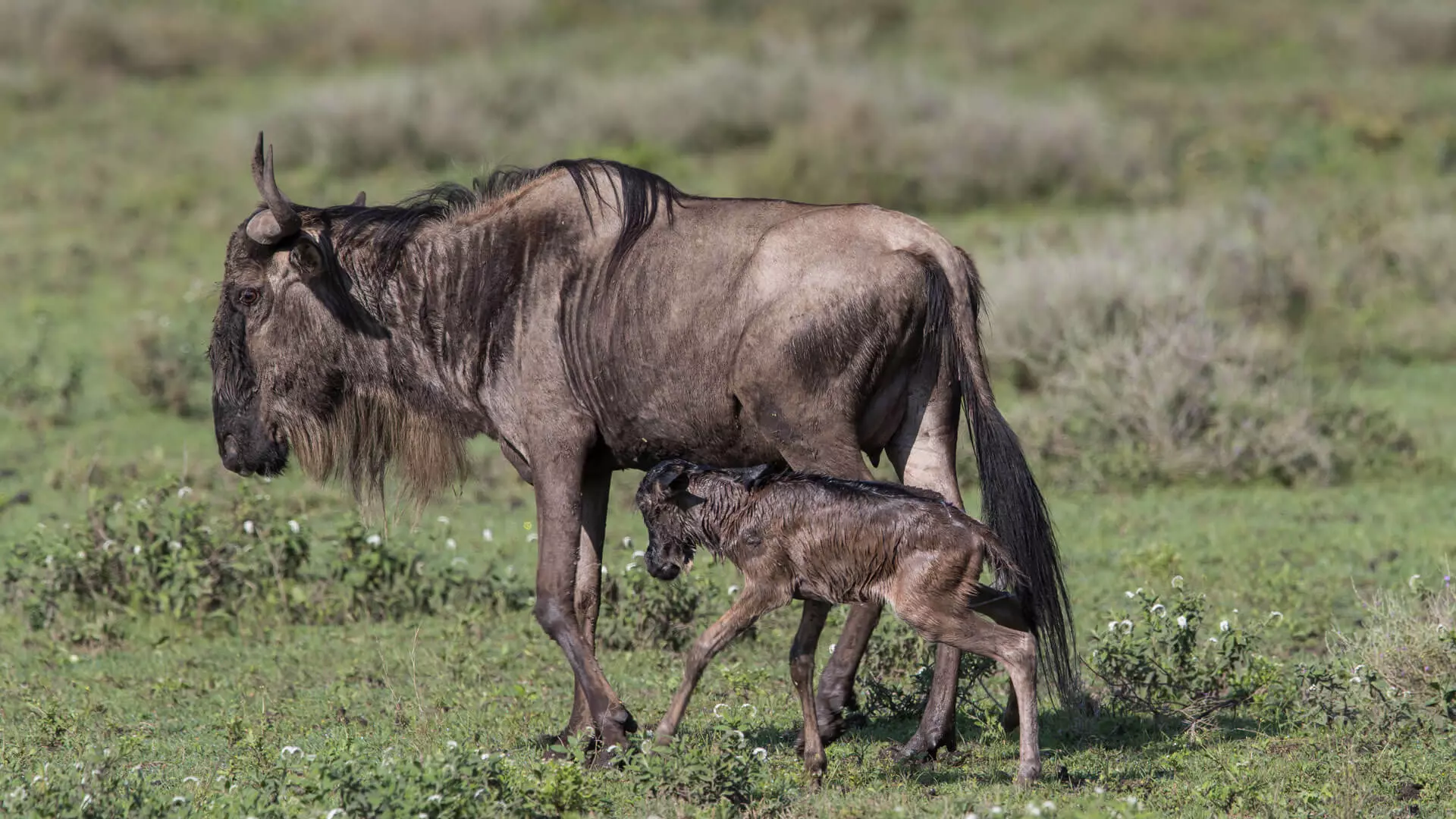
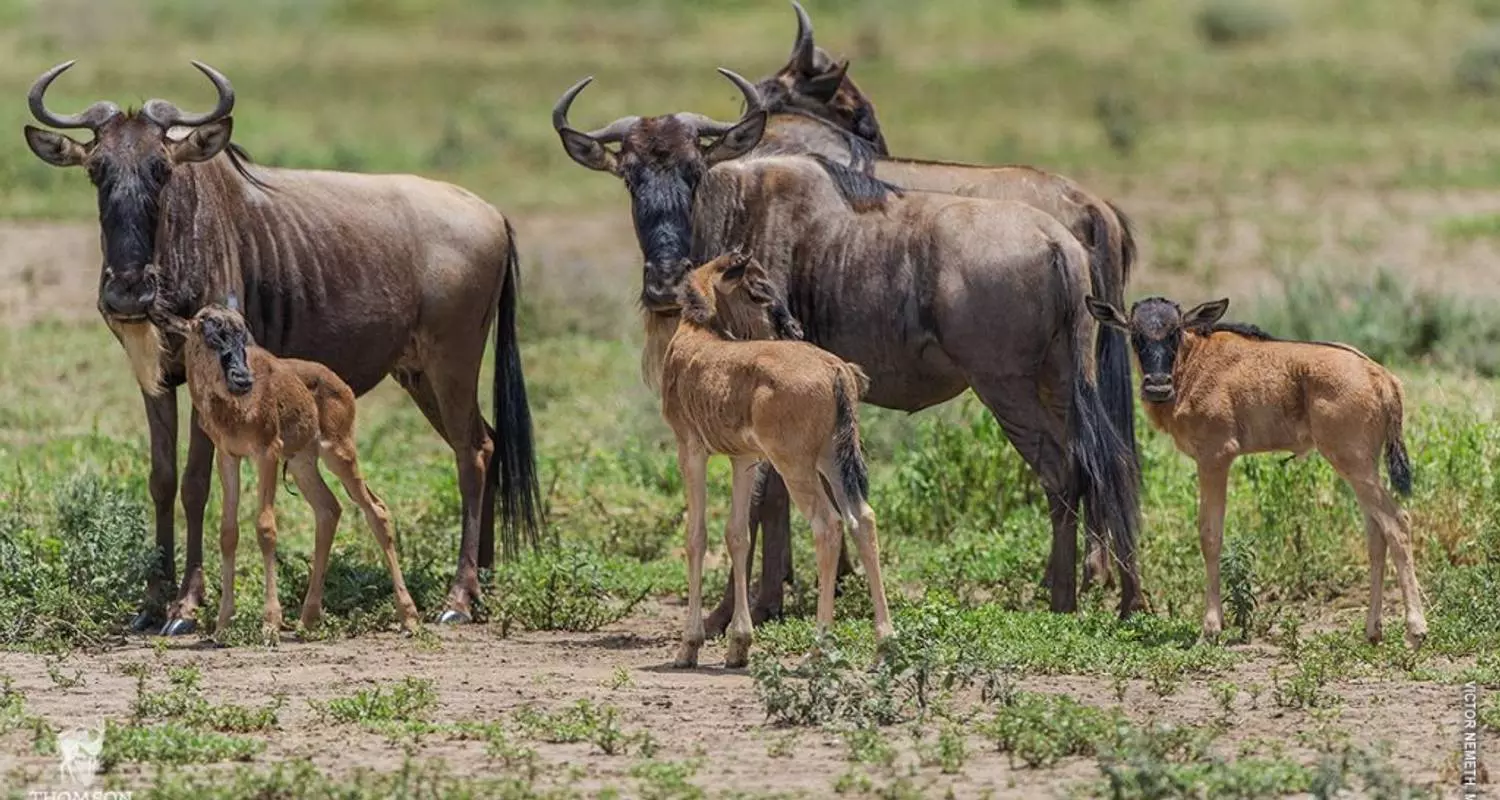
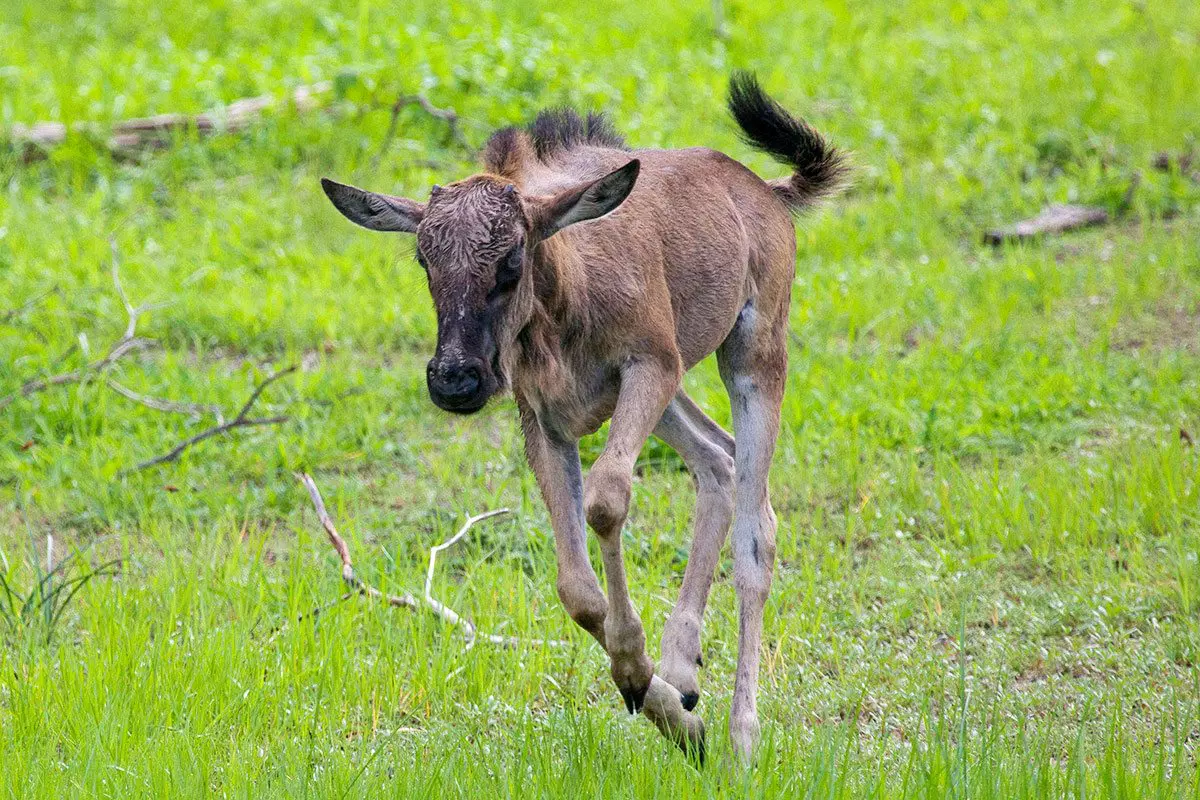
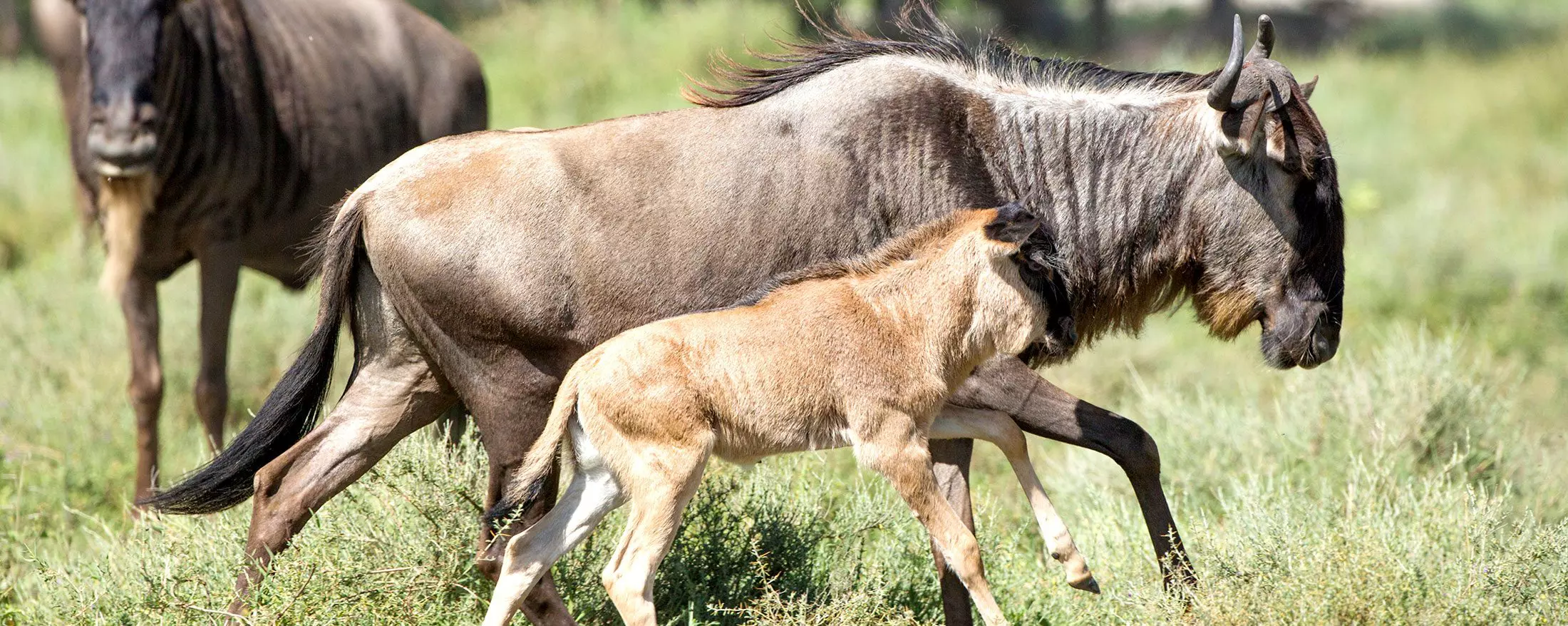
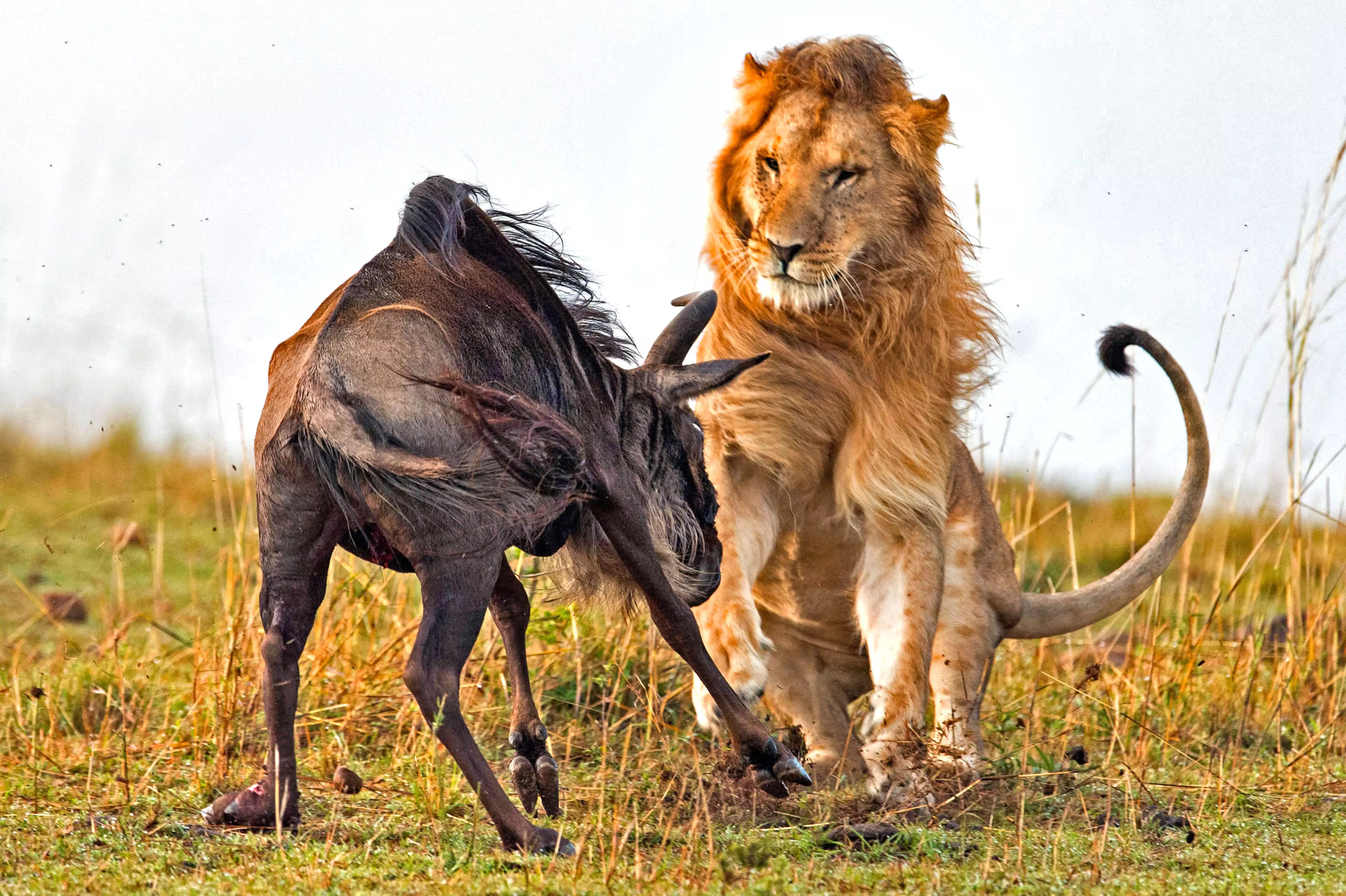
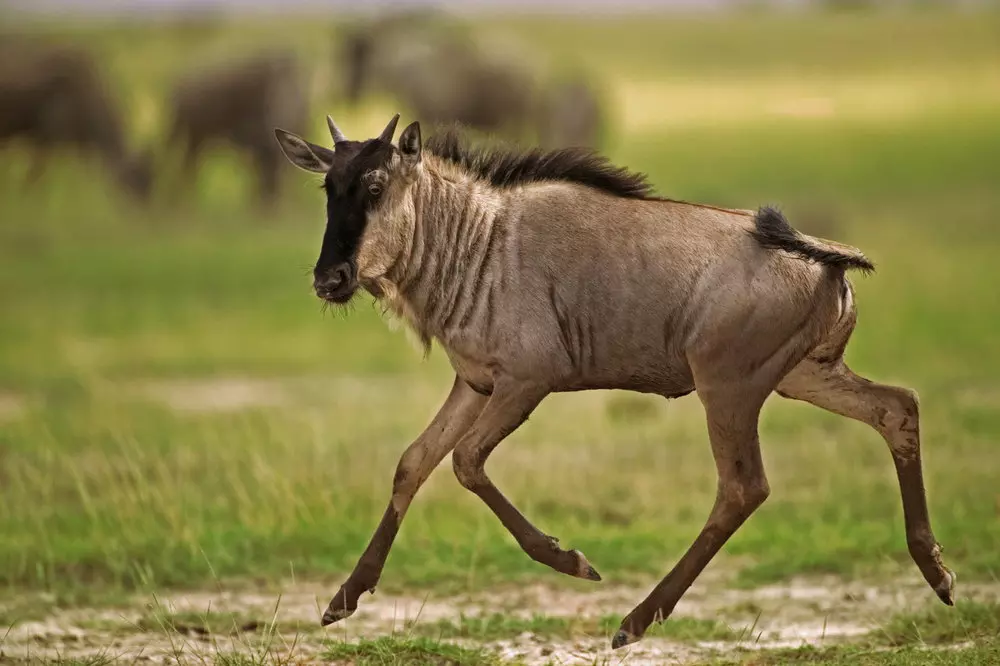
Today's focus is the Ndutu Plains within the Ngorongoro Conservation Area, the stage for one of nature's greatest events (Jan-Mar). You will search for the vast herds of the Great Migration, where hundreds of thousands of wildebeest and zebra gather to graze and give birth. Witnessing a wobbly calf take its first steps, with opportunistic predators never far away, is a profound and dramatic spectacle. The short grass plains allow for exceptional visibility and photography. This is raw, intimate nature at its most powerful.
Day 9: Full Day Safari in the Ndutu Plains
Enjoy another full day exploring the spectacular Ndutu Plains within the Ngorongoro Conservation Area. You'll continue searching for the vast herds of the Great Migration, where hundreds of thousands of wildebeest and zebra gather to graze and calve on the nutrient-rich plains.
With more time in this remarkable ecosystem, you'll have an excellent chance of witnessing dramatic predator-prey interactions and observing newborn wildebeest taking their first steps. The open plains provide exceptional wildlife viewing and photography opportunities throughout the day.
After a picnic lunch in the bush, continue your afternoon game drive before returning to your lodge for dinner and another overnight stay at TWC Lake Masek Tented Lodge.
Day 10: Central Serengeti
This morning, depart and travel to the central Serengeti, entering the Seronera region, widely regarded as the heart of the park. Enjoy game drives en route, with increasing wildlife sightings as you move deeper into the Serengeti ecosystem.
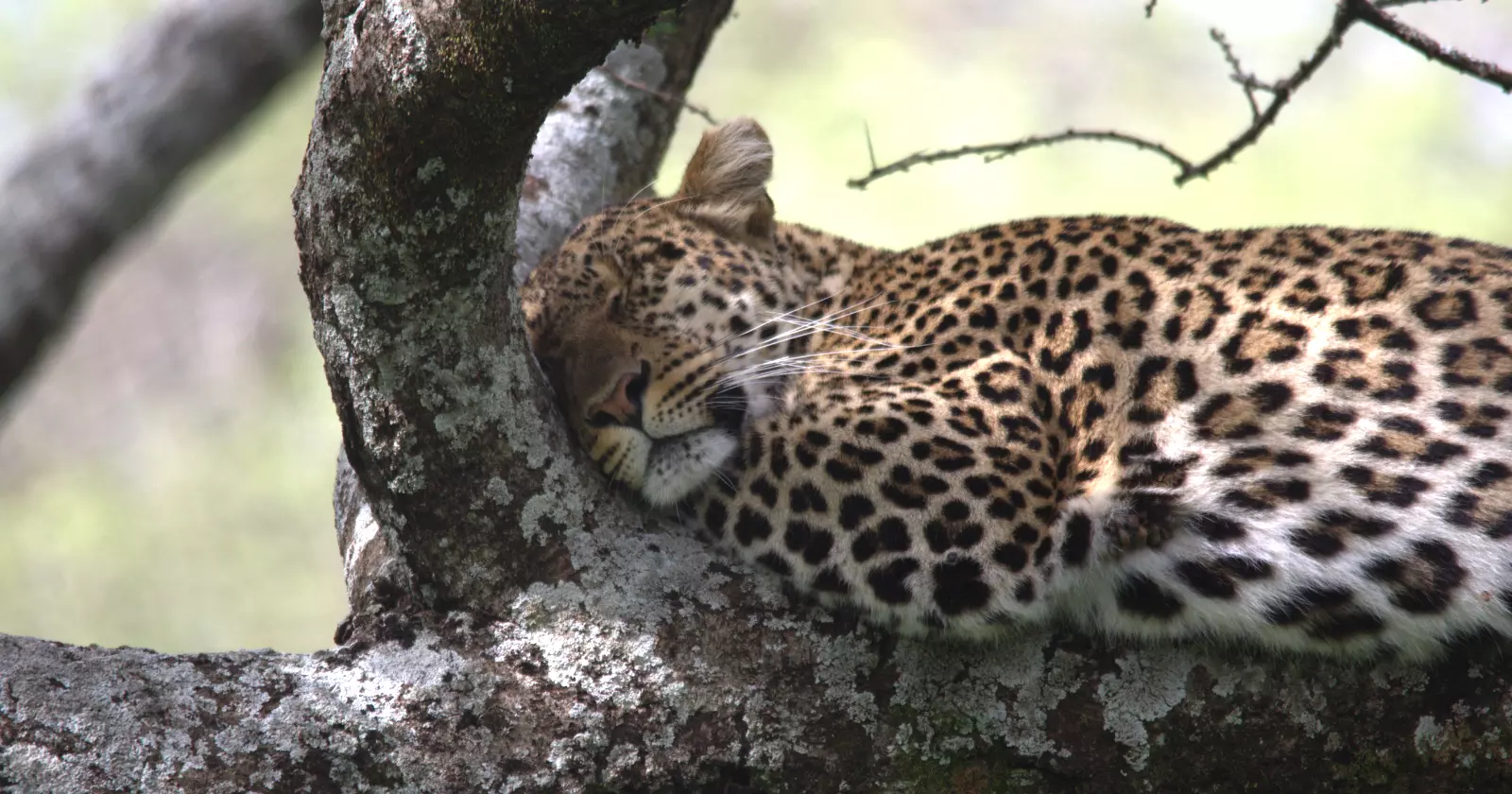
Seronera is particularly well known for its resident predator populations, including lion, leopard, and cheetah, supported by permanent water sources that attract game throughout the year.
Late afternoon transfer to Angata Serengeti Camp for dinner and overnight.
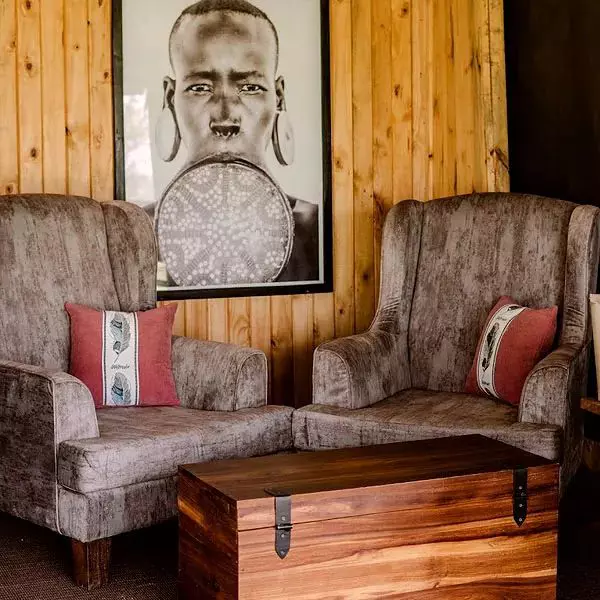
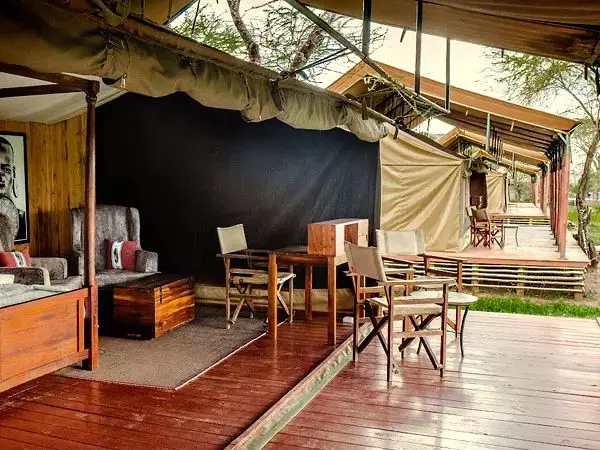
Day 11: Mara region
After breakfast, depart for the Northern Serengeti (Mara Region), one of Tanzania's most remote and wildlife-rich safari destinations. Arriving in time for lunch, you'll settle into your camp before enjoying an afternoon game drive through this spectacular landscape. Although January falls outside the river crossing season, the Mara Region offers outstanding year-round game viewing, with resident prides of lions, leopards, cheetahs, elephants, giraffes and large herds of plains game. As the sun sets over the Serengeti, return to your camp for dinner and an overnight stay, ready to explore this incredible region further tomorrow.
Arrive at Nasikia KasKaz Mara Camp for dinner and overnight.
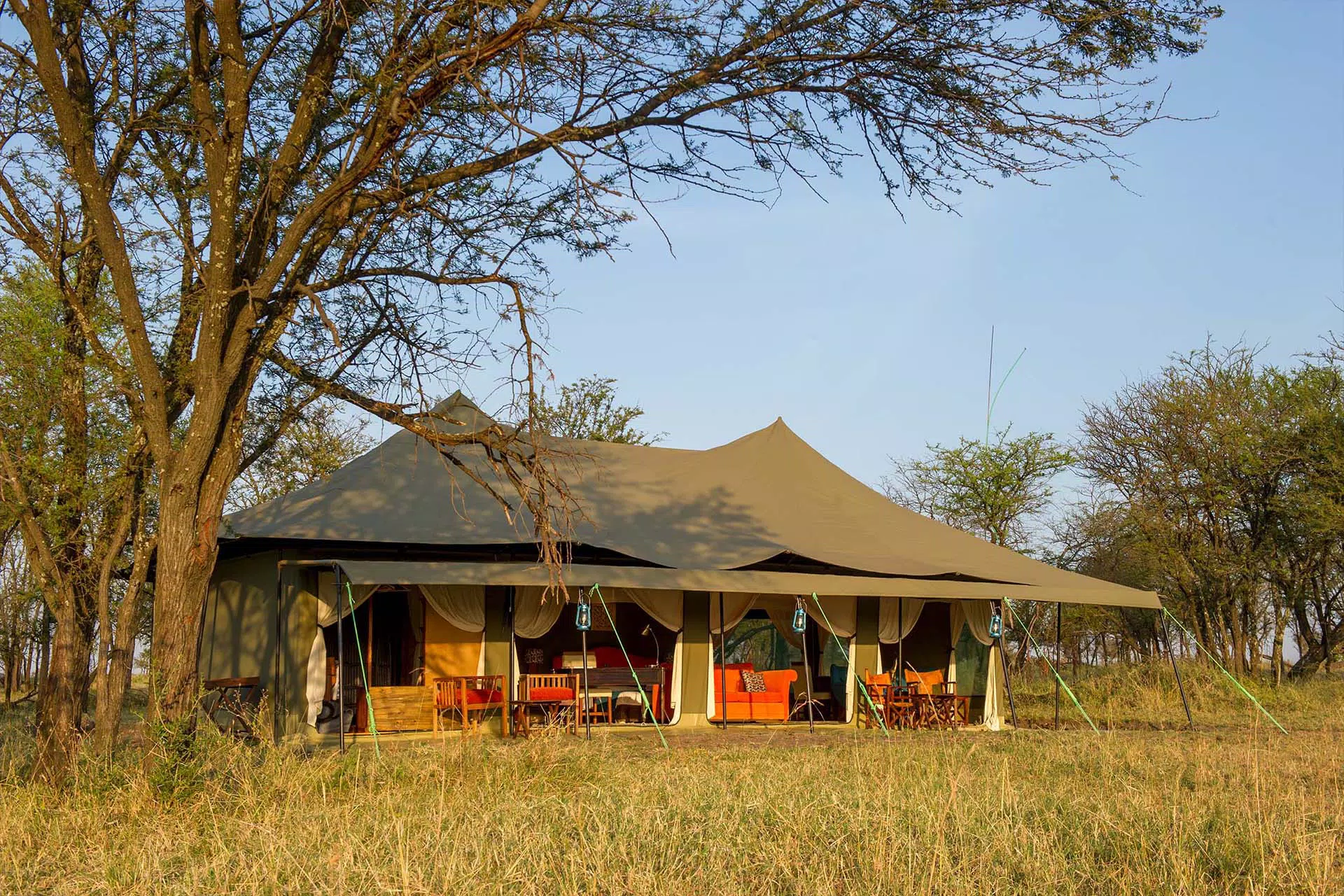
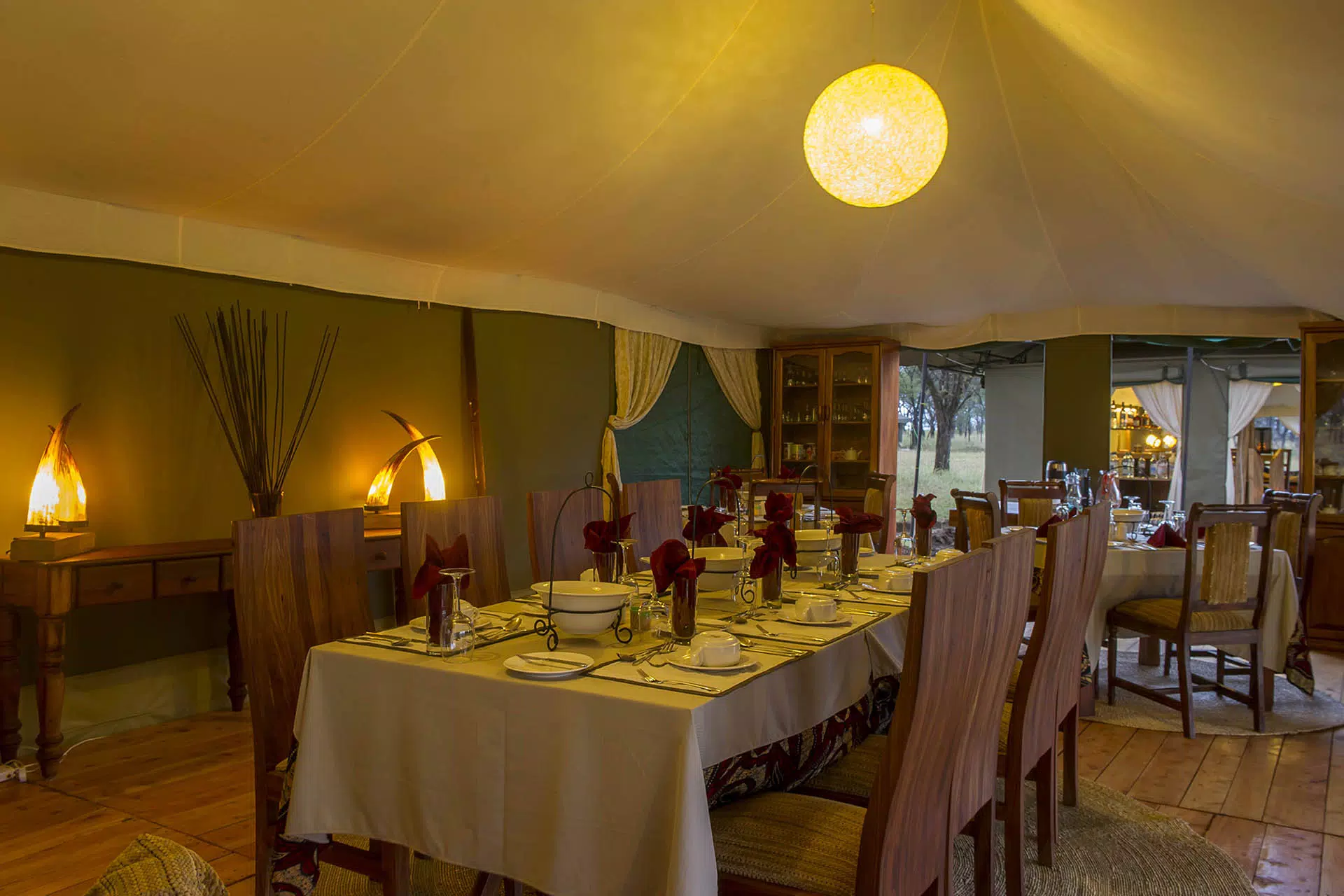
Day 12: Final Game Drive & Departure
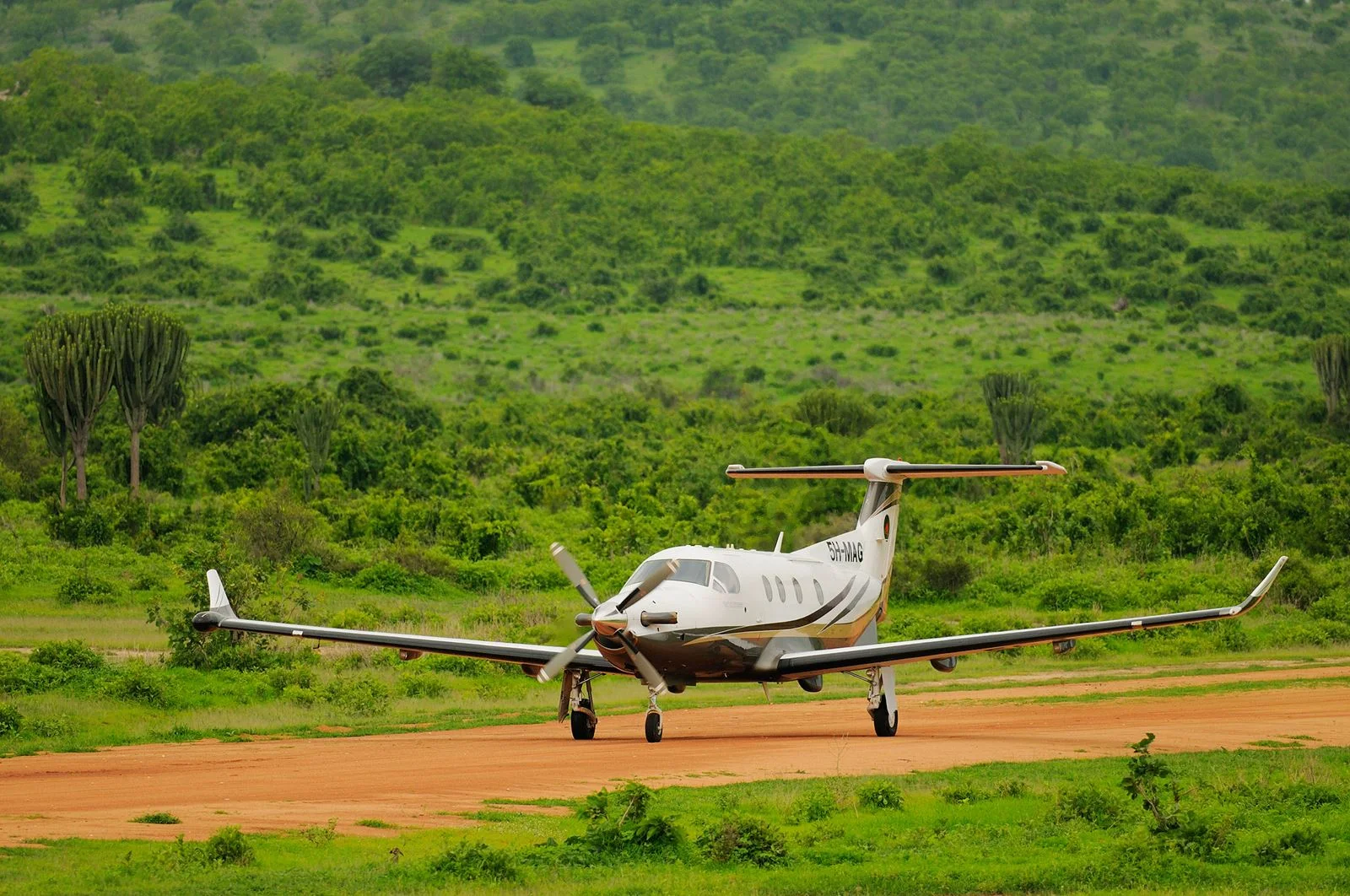
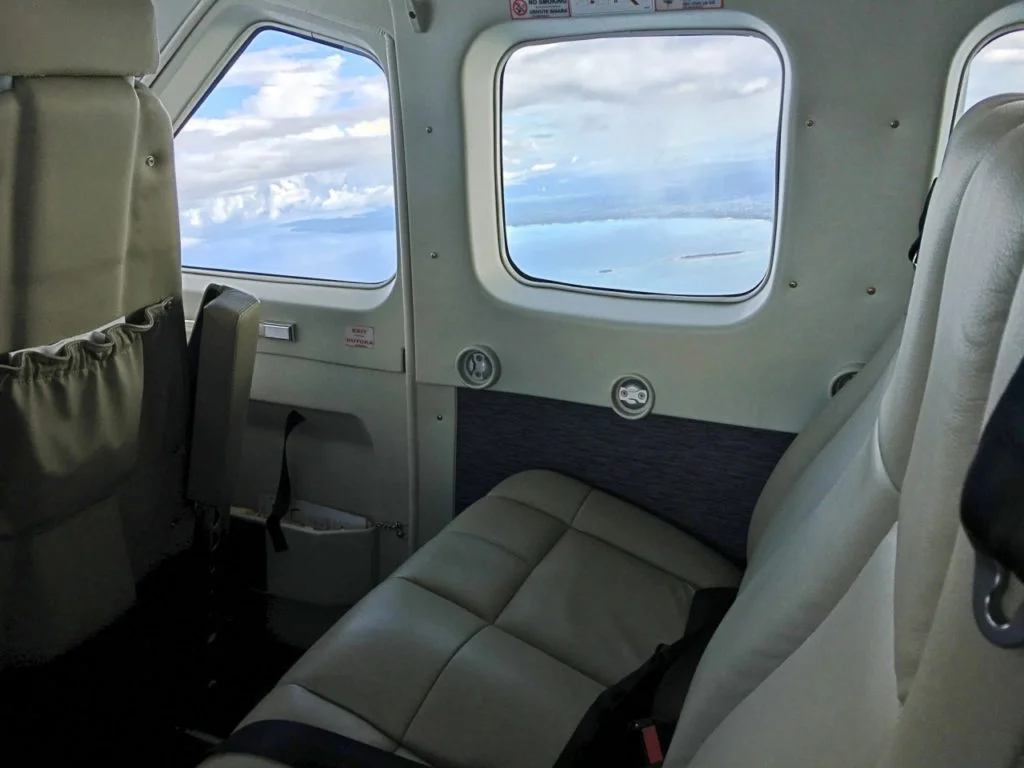
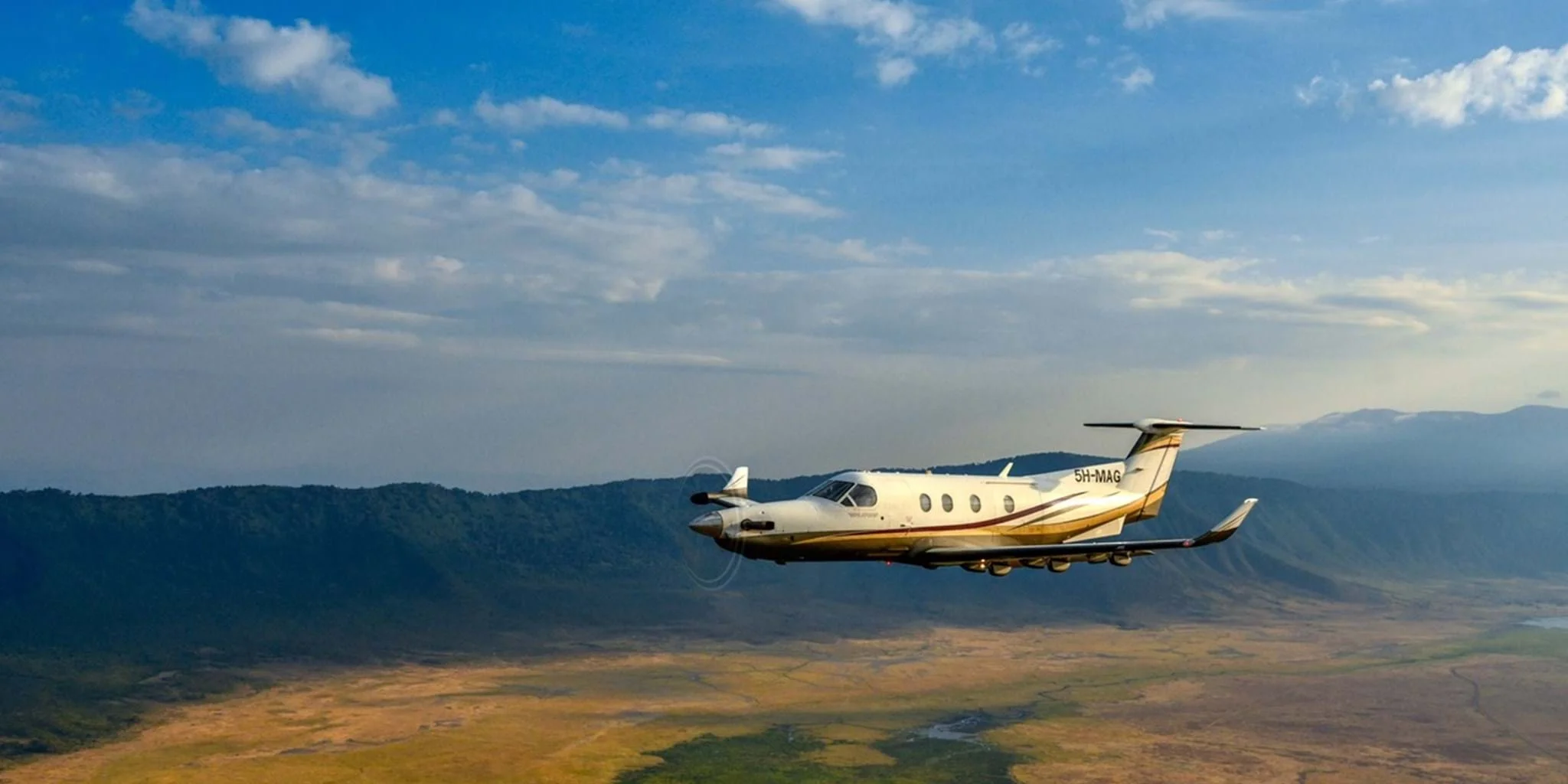
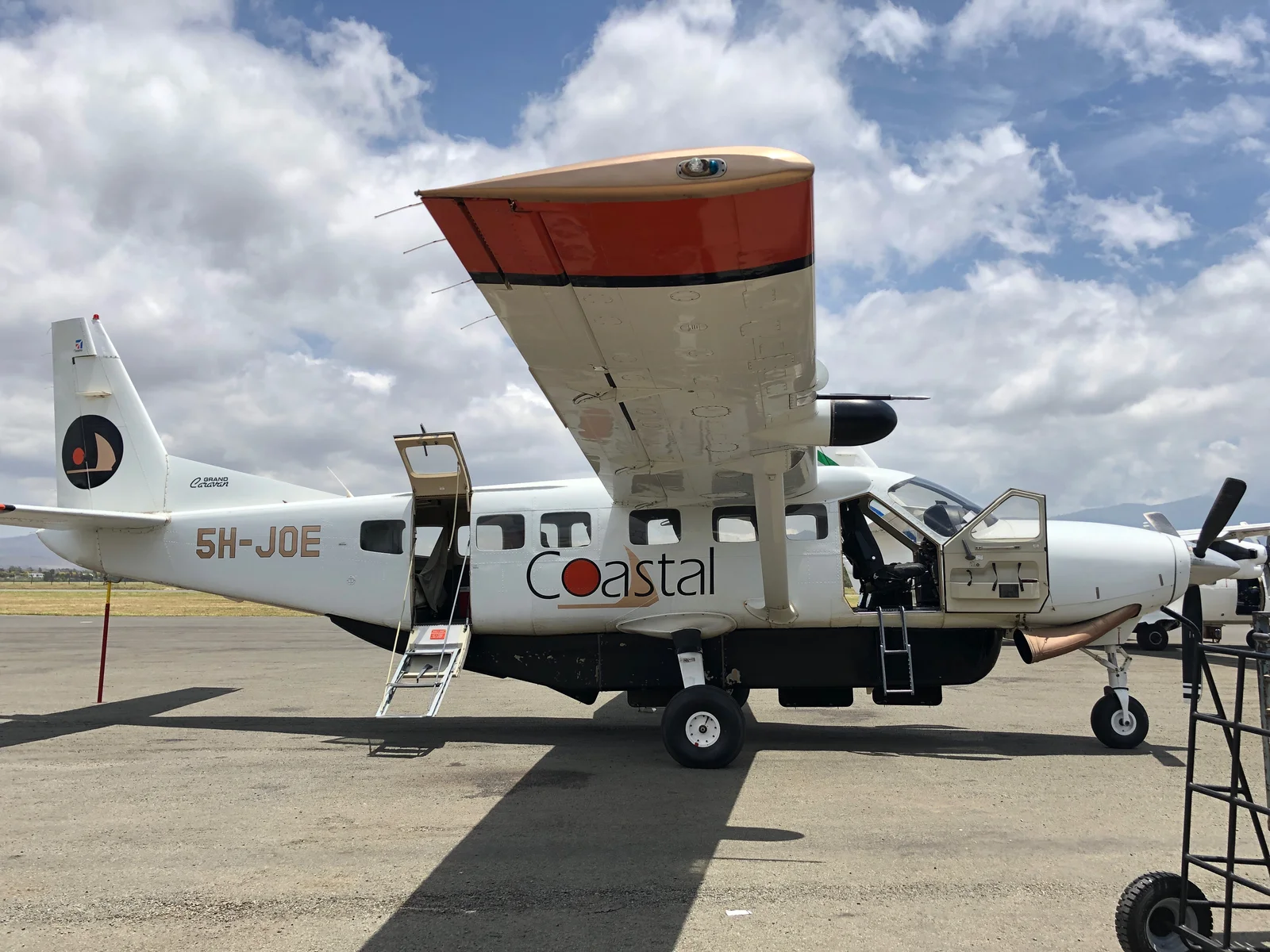
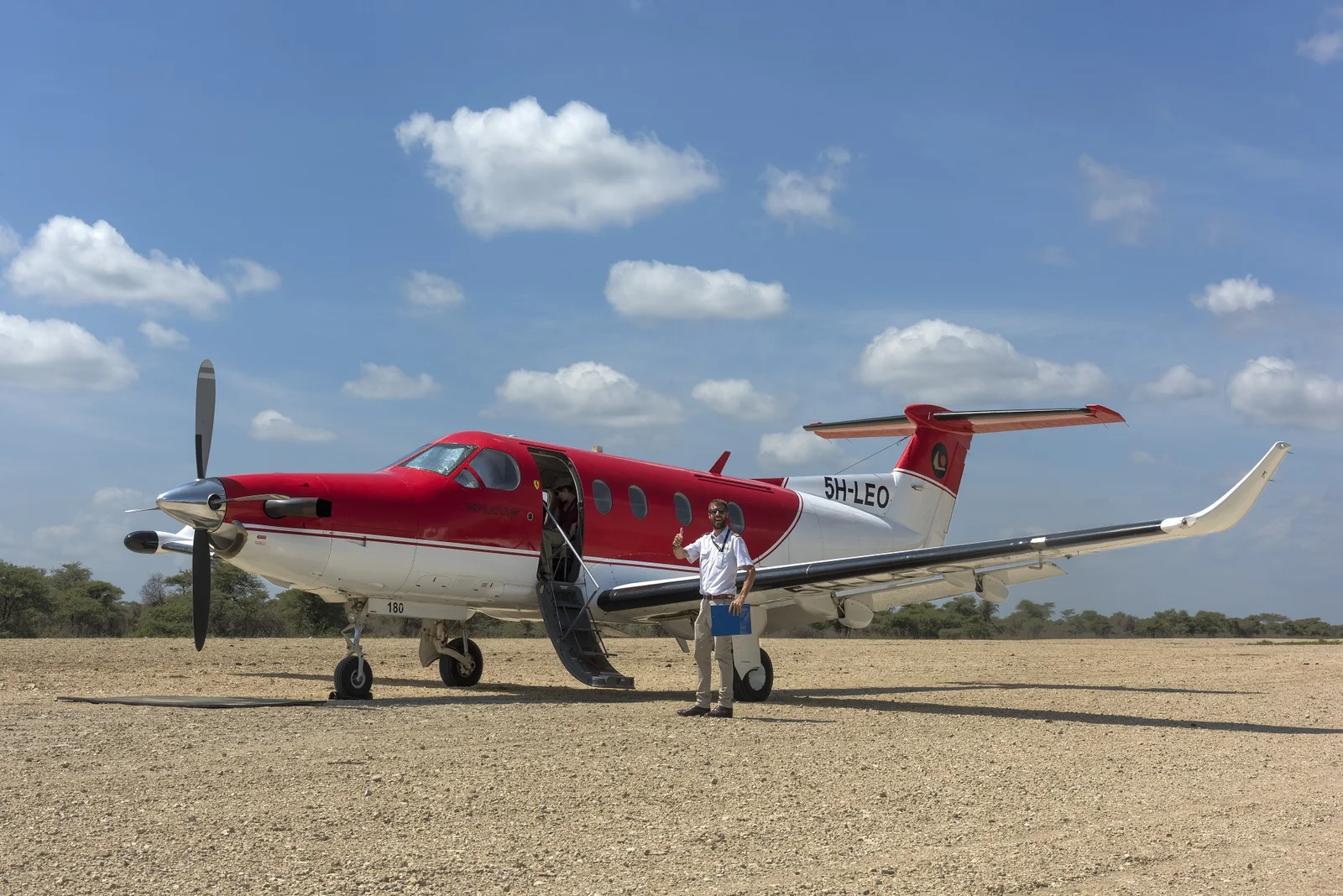
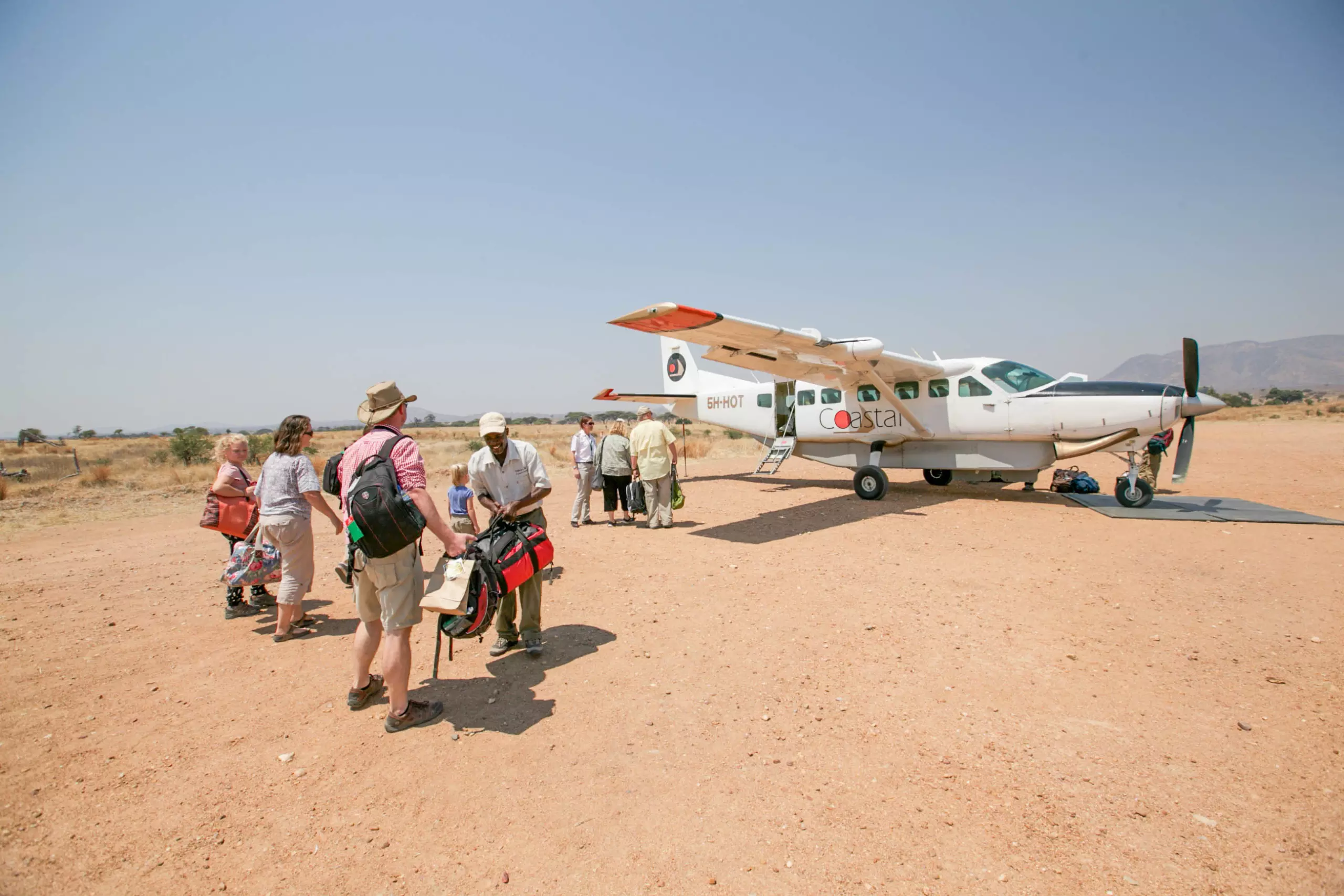
Enjoy one final morning game drive in the Northern Serengeti. Soak in your last views of the Mara River region and its wildlife. Return to camp for lunch before transferring to Kogatende Airstrip for your scheduled flight to Arusha. Upon arrival, you will be met and transferred to your hotel or Kilimanjaro International Airport for your onward journey.
Overnight at your hotel in Arusha.
Day 13: Departure
You’ll need to check out of your hotel by late morning. However, if you wish to wander into town for the day, you may leave your bags with reception and may continue to use the hotel’s facilities. Please let us know if you need a guide to accompany you or if you wish to organise any special activities today.
Please be ready to be collected for your airport transfer at least 3 hours before, to ensure sufficient time to check-in for your flight departing JRO / ARK.
Safari Route Map
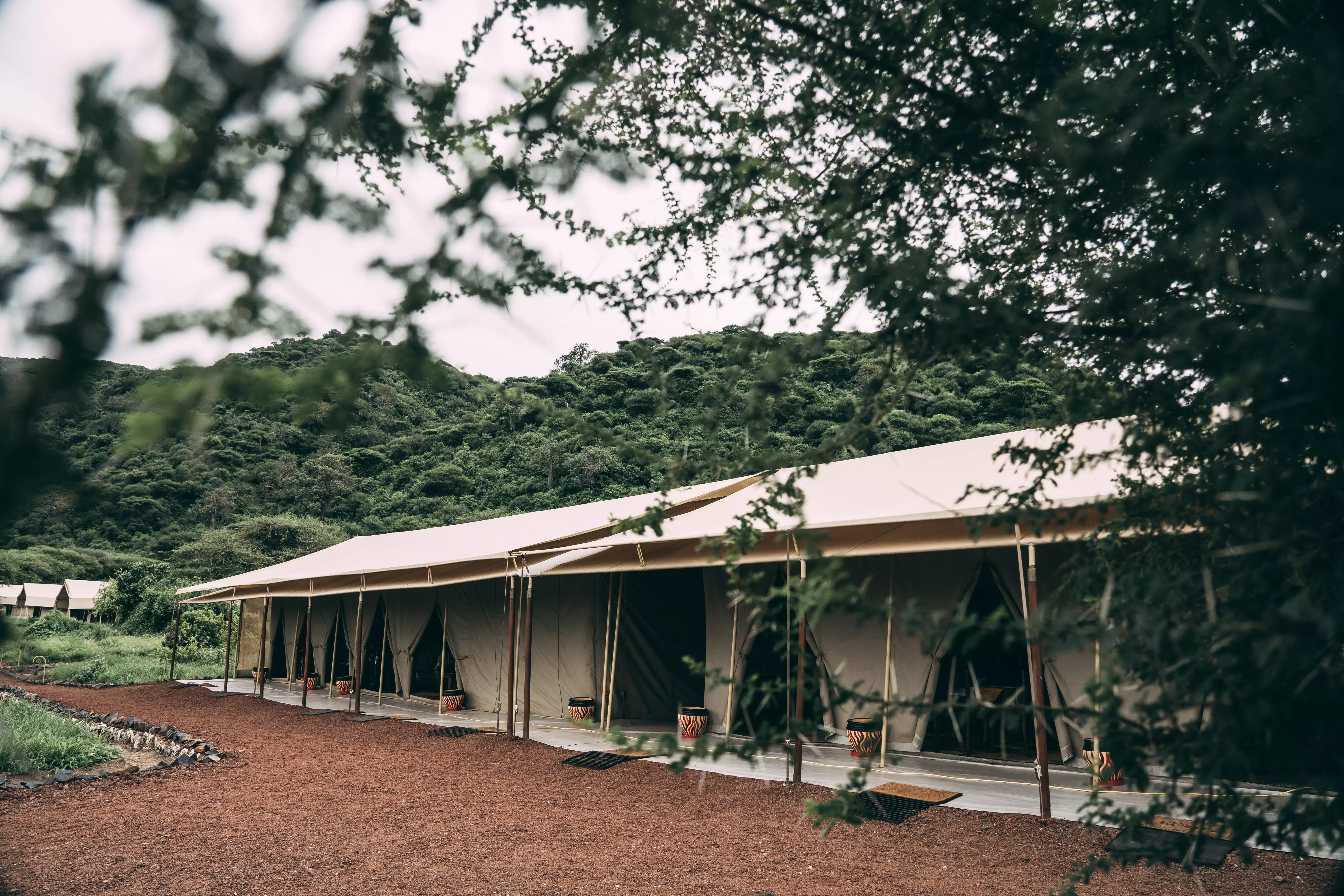
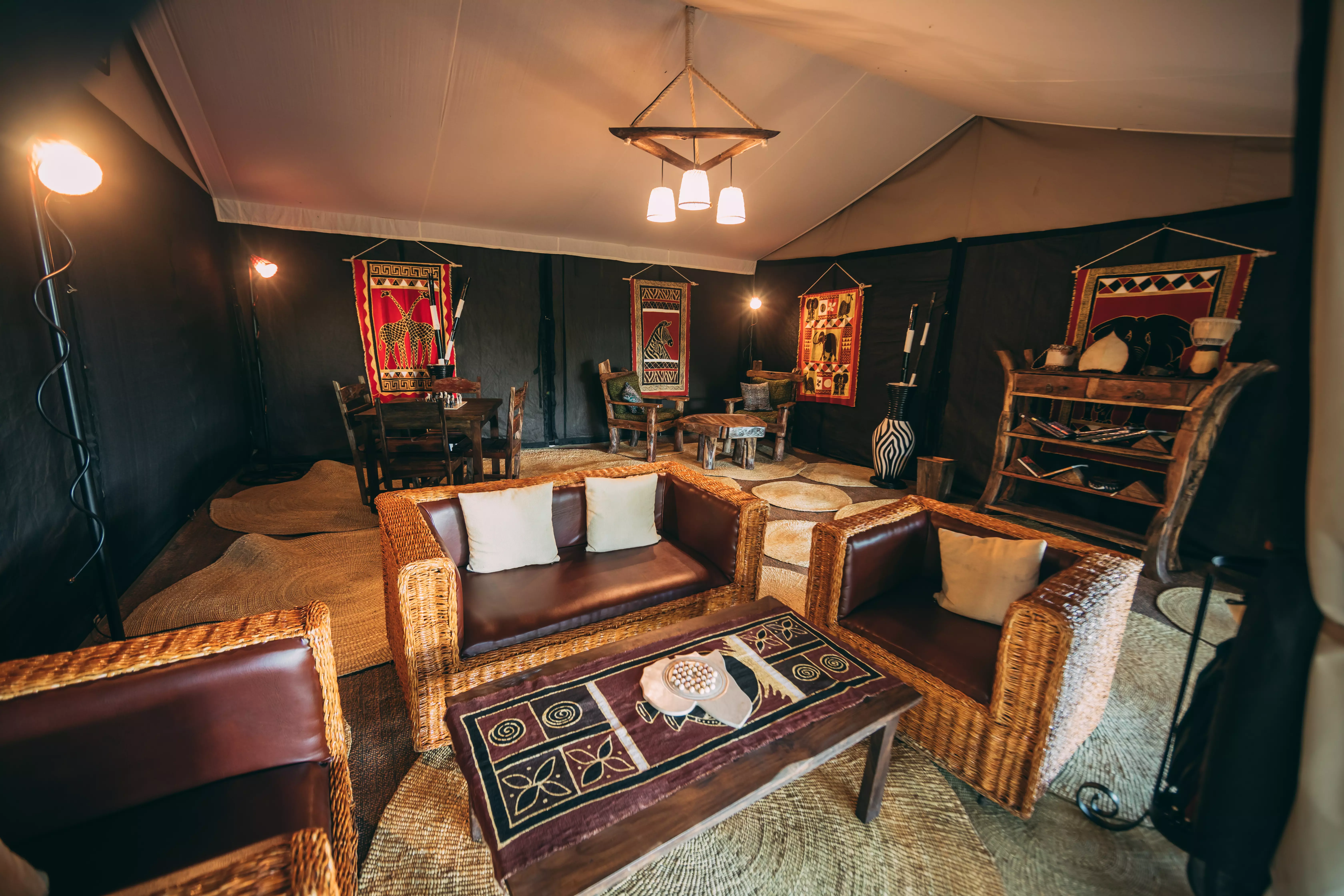
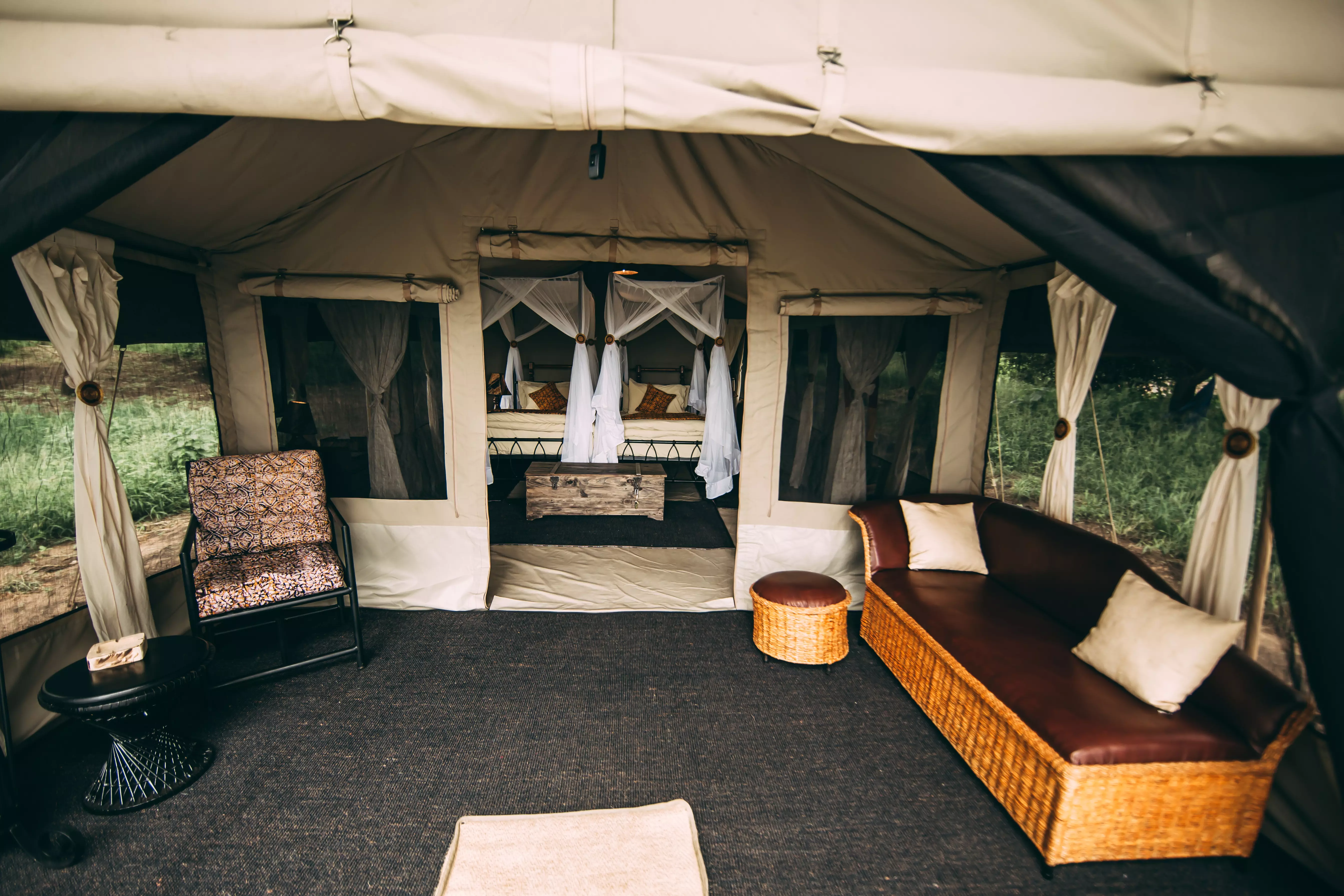
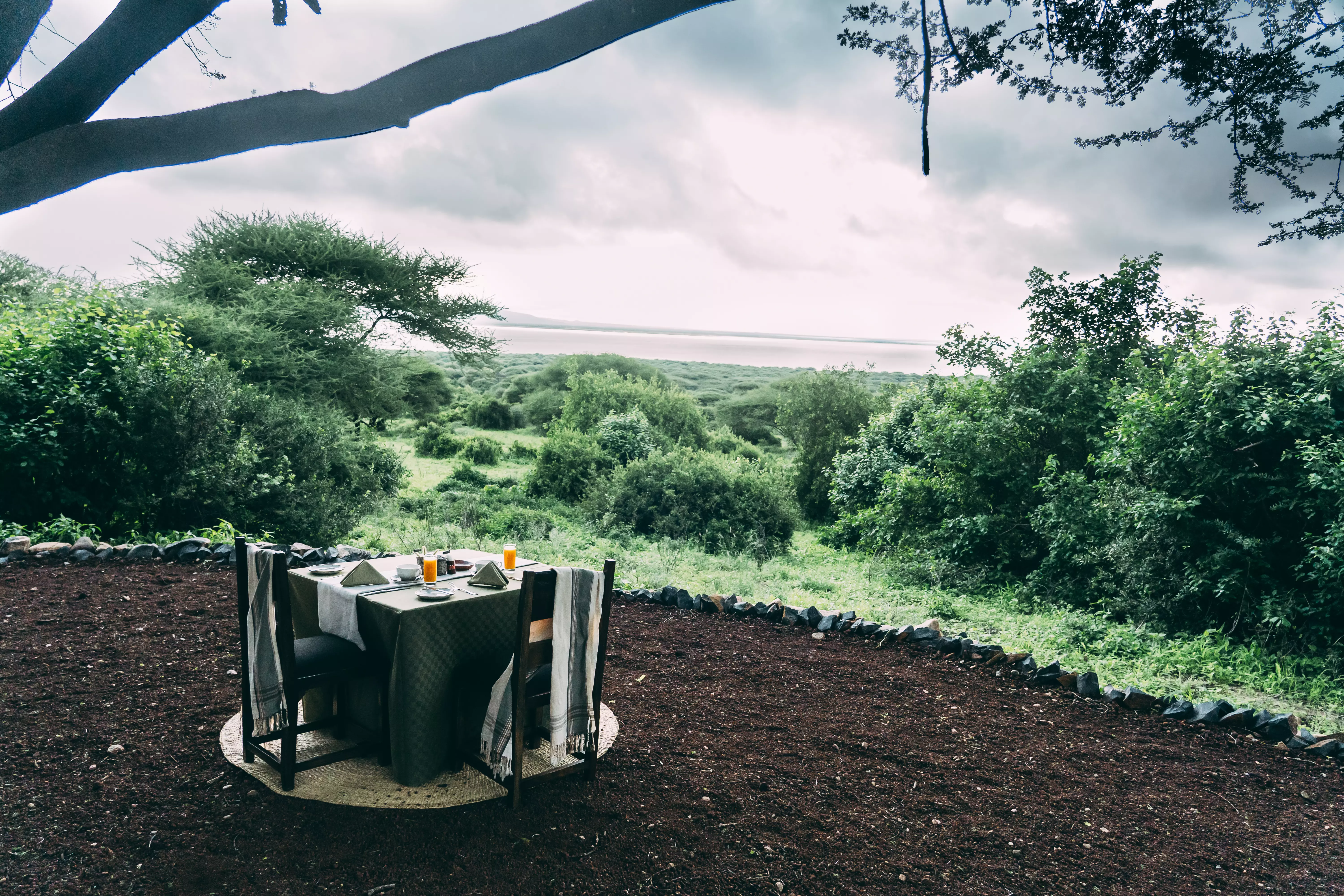
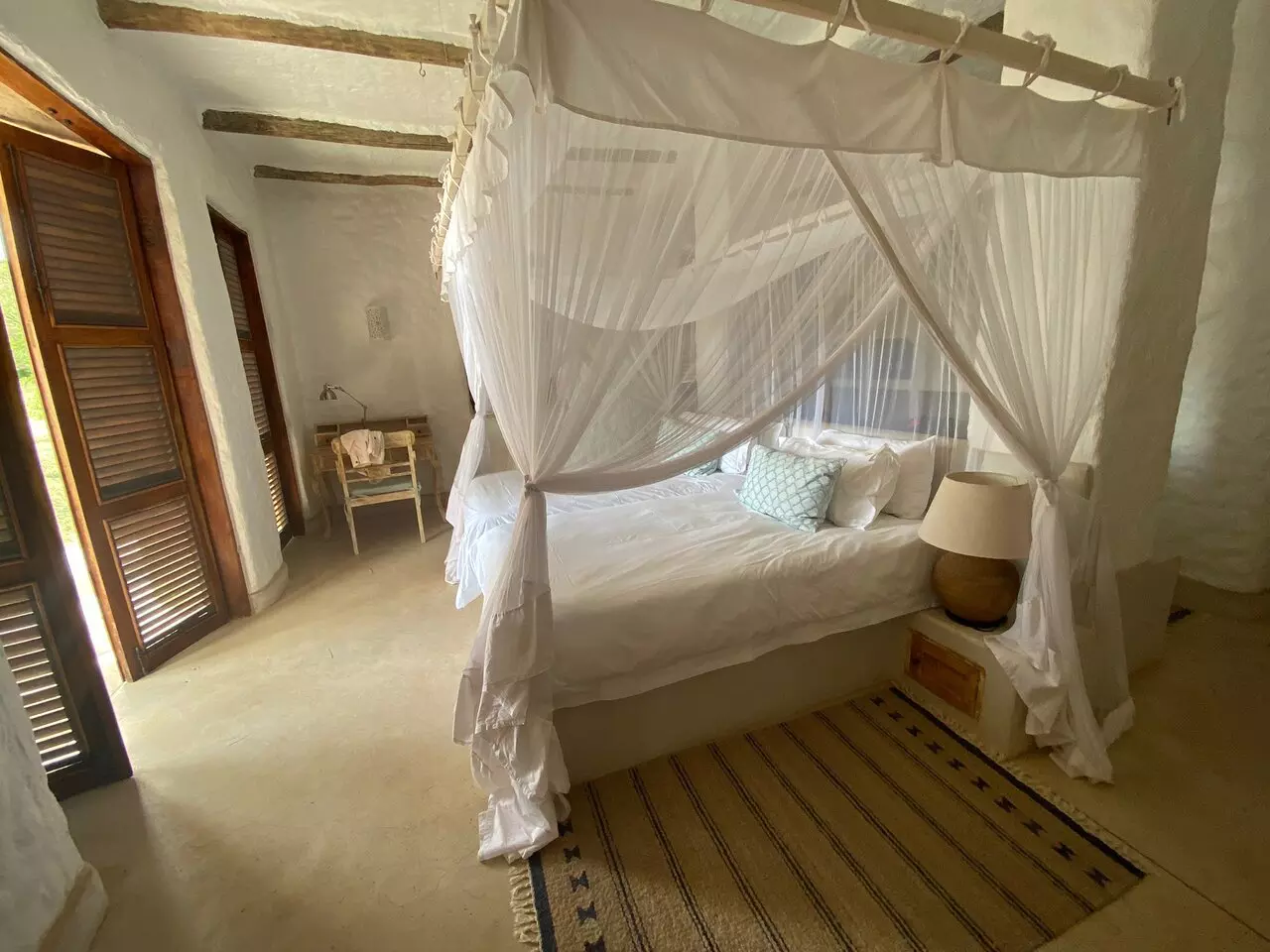
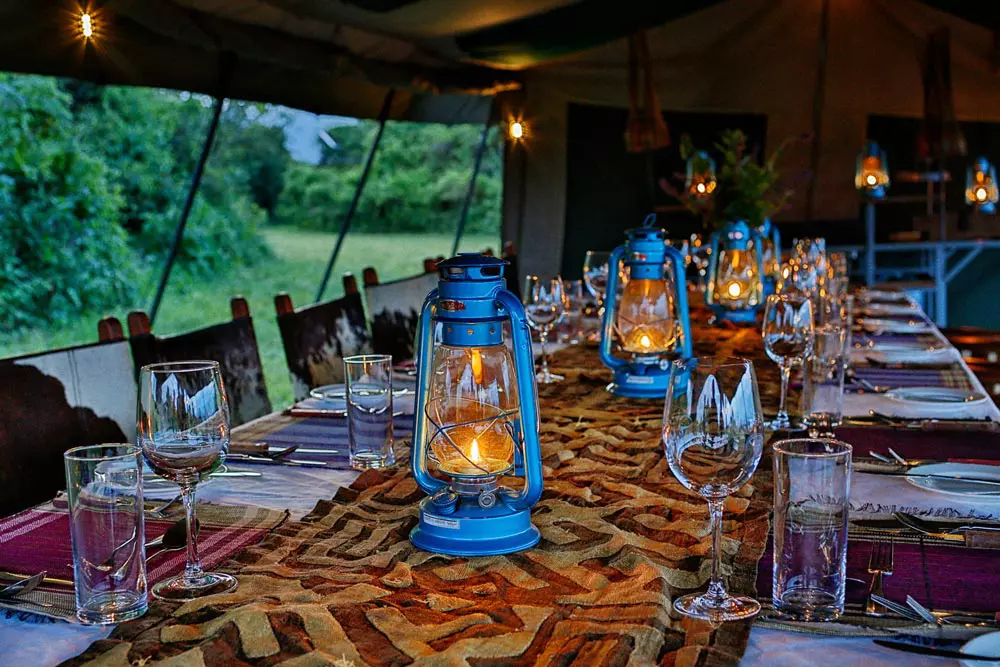
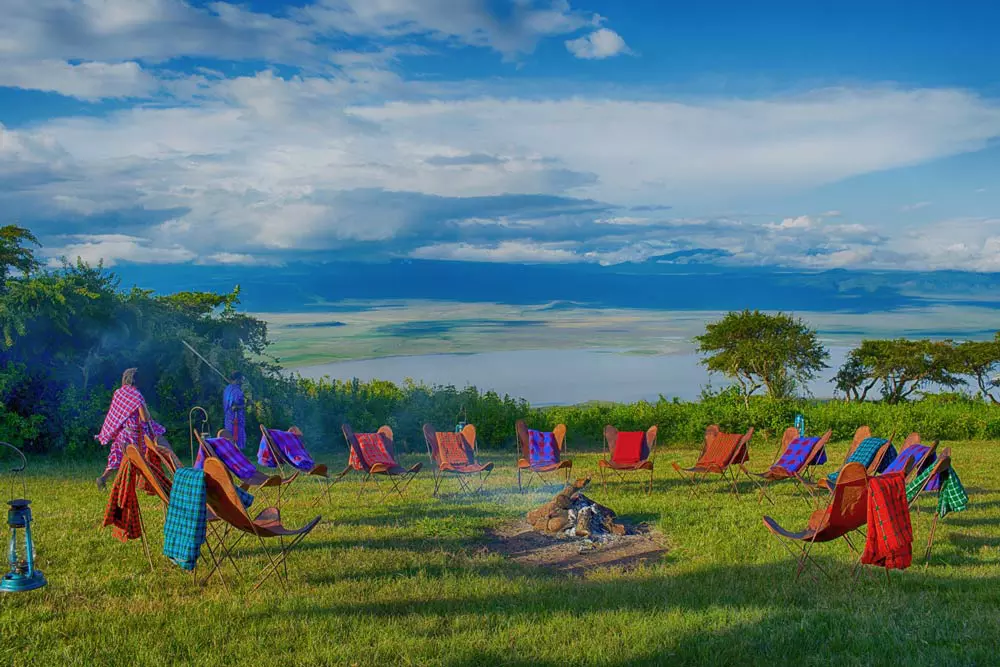
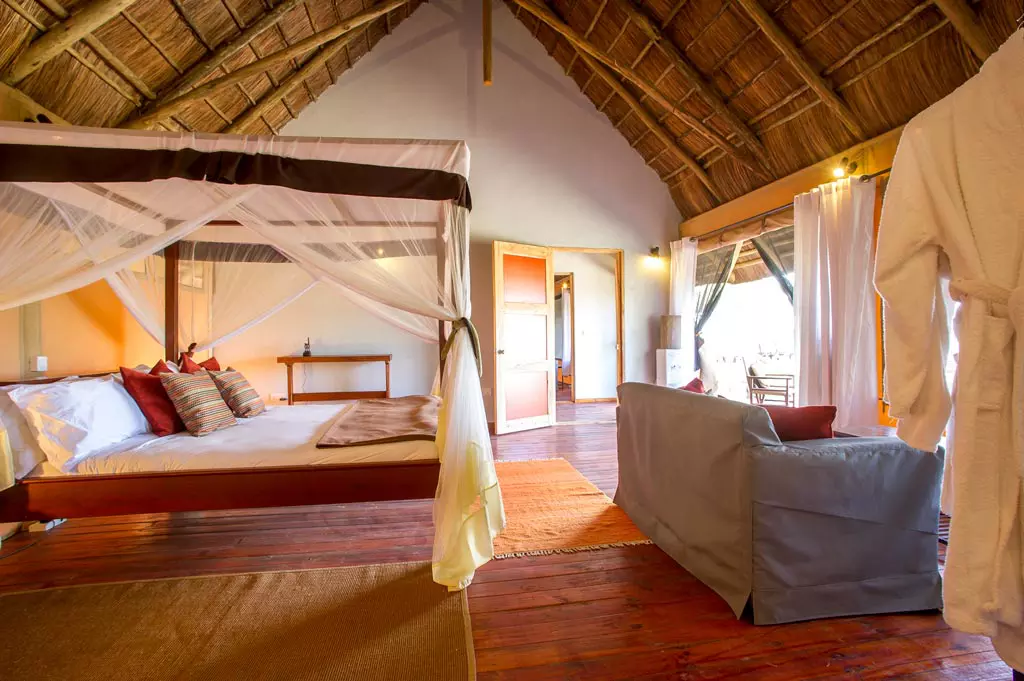
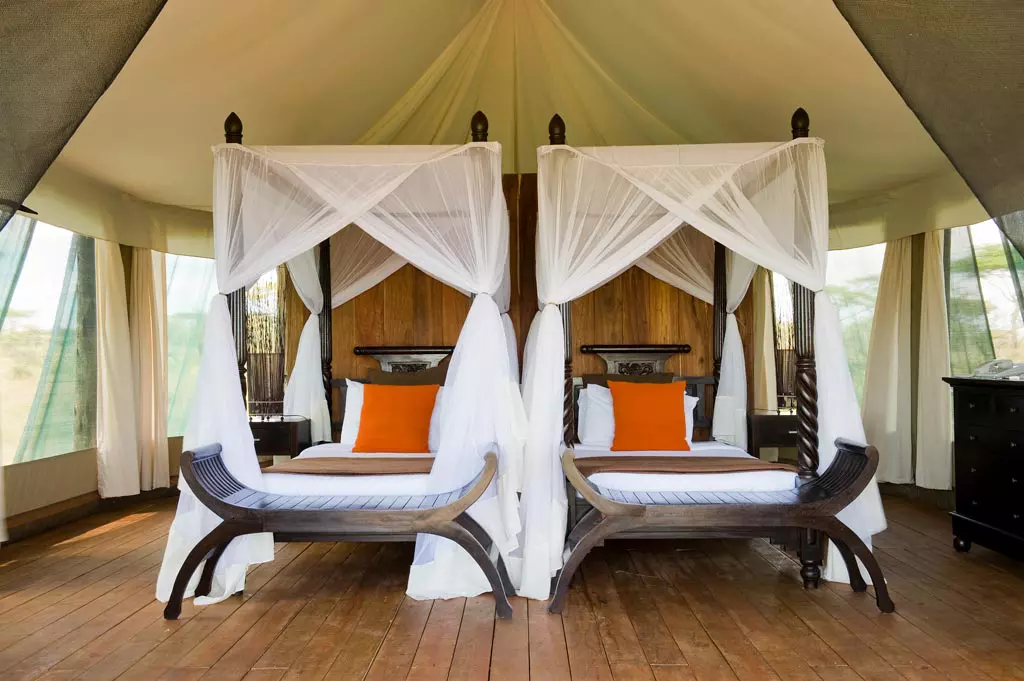
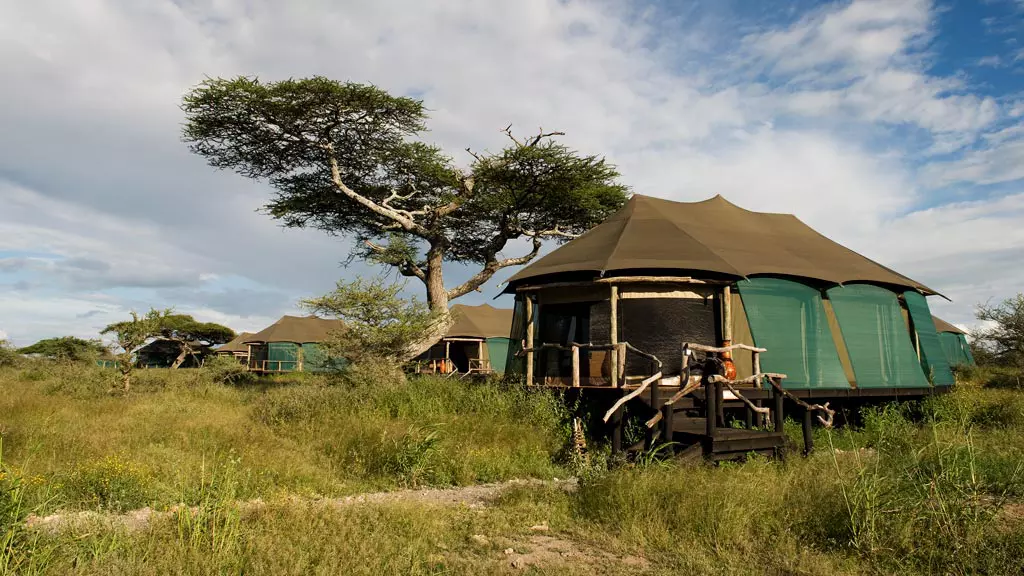
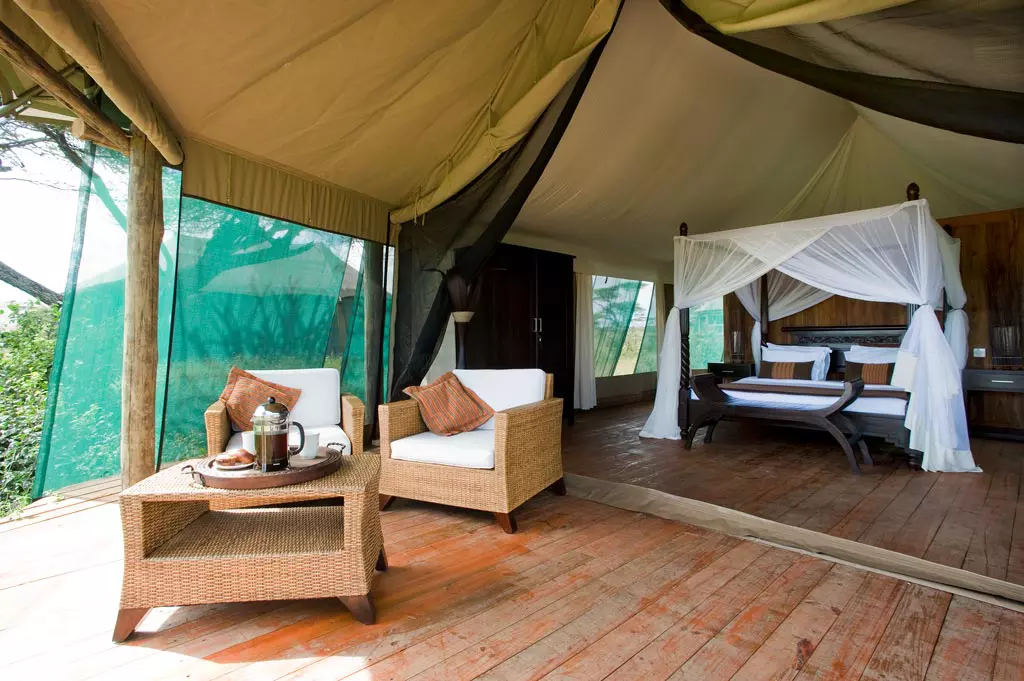
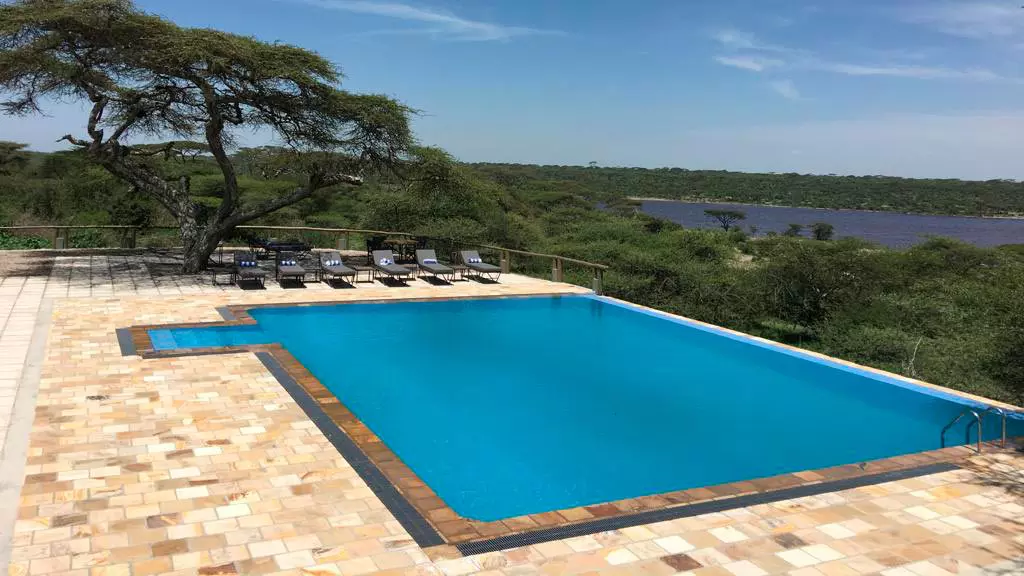
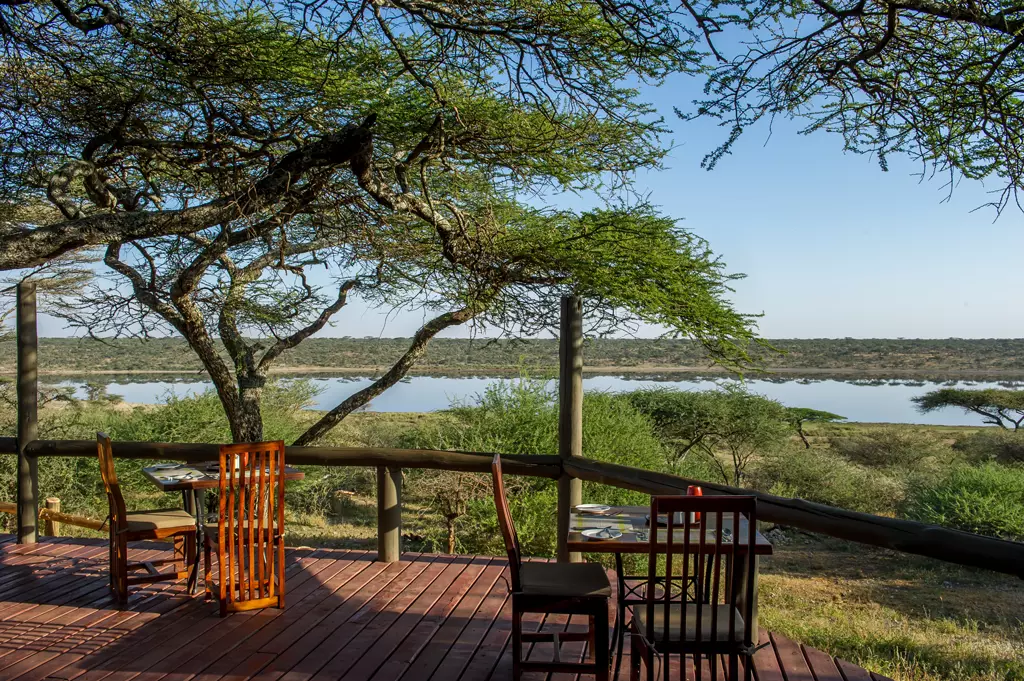
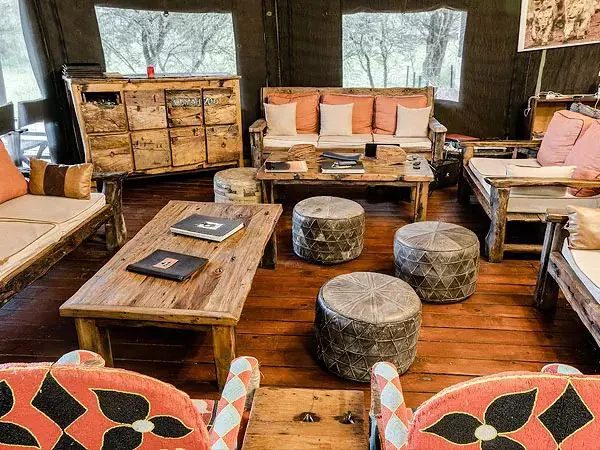
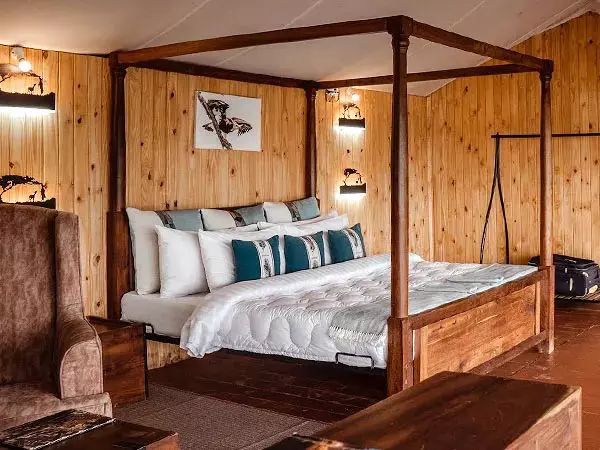
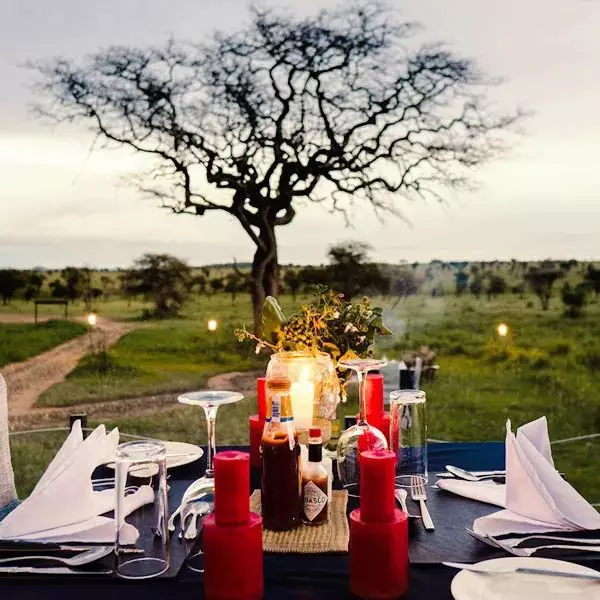
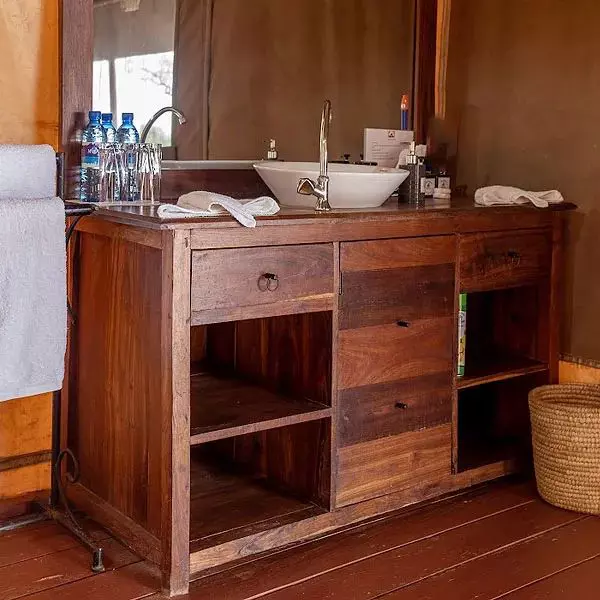
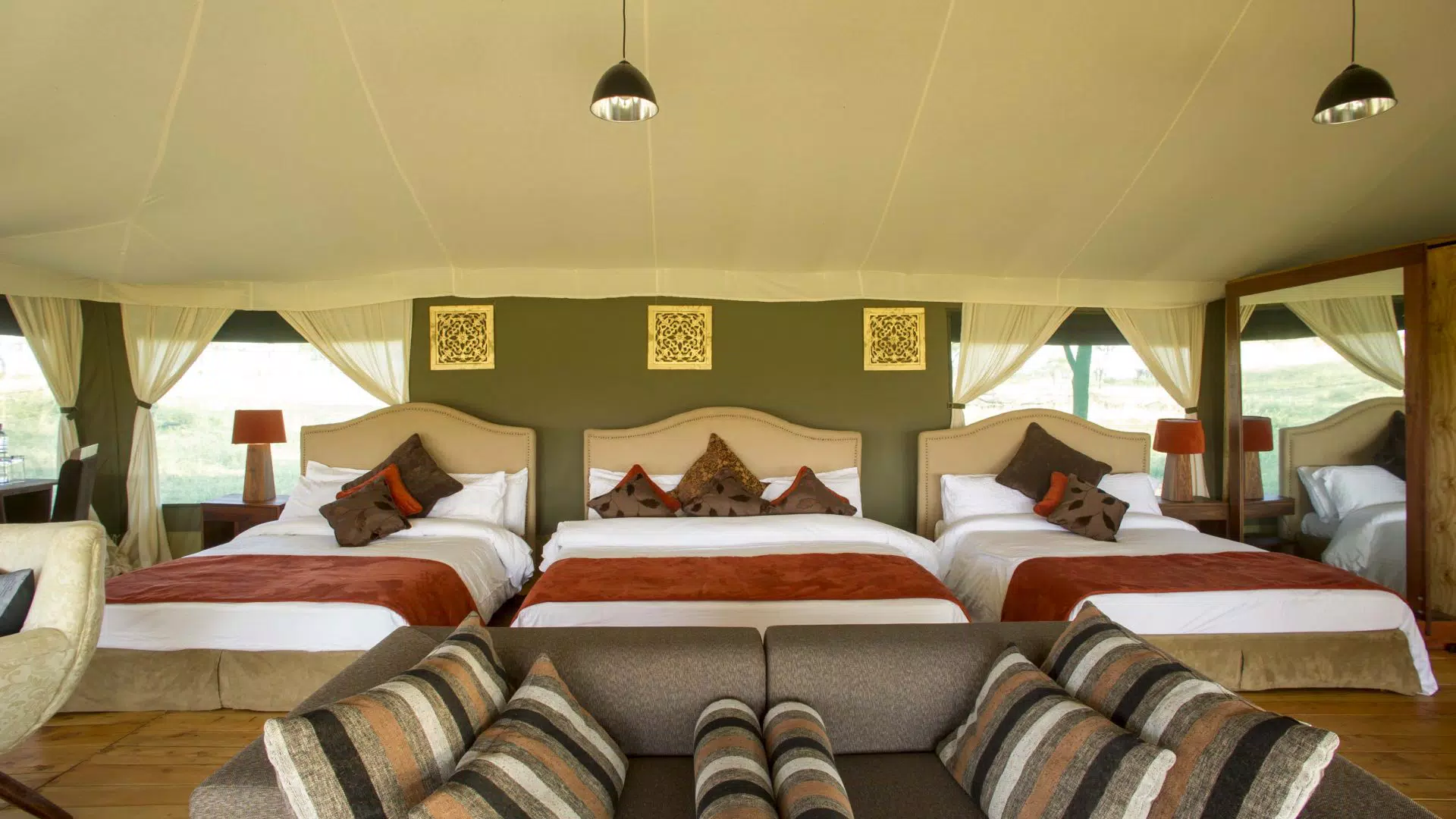
Images of accommodation featured on this page are representative of the hotel / camp / lodge generally, and do not necessarily reflect the room you will be allocated.
This itinerary is recommended throughout the year.
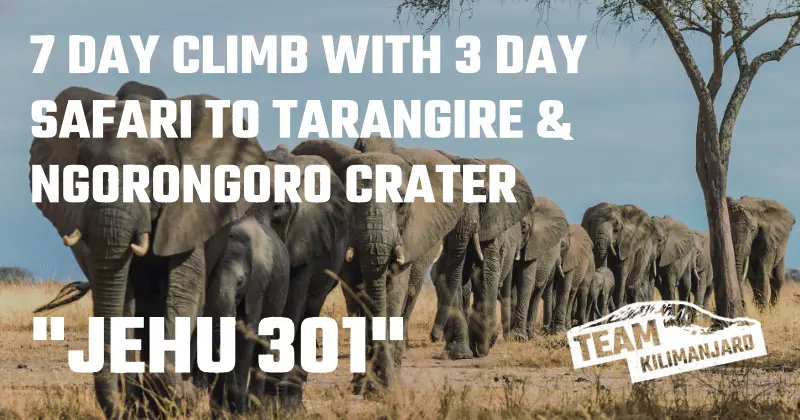
This safari itinerary is recommended throughout the year.
This safari itinerary is recommended throughout the year.
This safari itinerary is recommended throughout the year.
This safari itinerary is recommended throughout the year.
This safari itinerary is recommended for the discerning traveller visiting from July to October - as this is when the migration is expected to be in the Mara Region - and who wants to minimise wasted transiting time in the vehicle.
This safari itinerary is recommended from November to April when we expect the migration to be in the south.
This safari itinerary is recommended throughout the year.
This safari itinerary is recommended for the discerning traveller visiting from July to October - as this is when the migration is expected to be in the Mara Region - and who wants to minimise wasted transiting time in the vehicle.
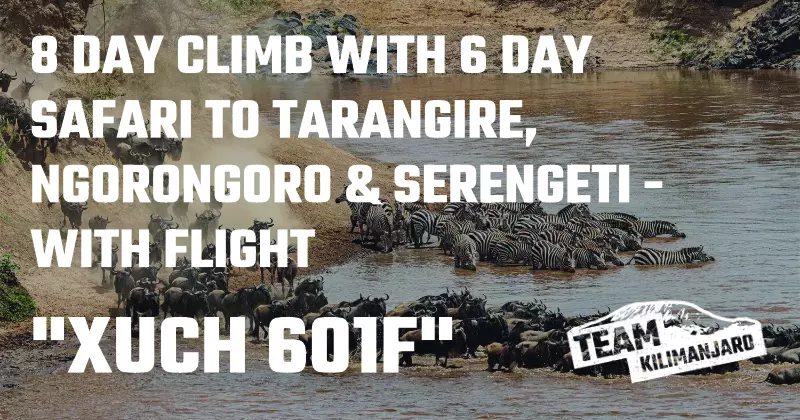
This safari itinerary is recommended for the discerning traveller visiting from July to October - as this is when the migration is expected to be in the Mara Region - and who wants to minimise wasted transiting time in the vehicle.