7 Day Climb With 4 Day Safari to Tarangire, Ngorongoro Crater and Lake Ndutu
This safari itinerary is recommended from November to April when we expect the migration to be in the south.
Arrival
20th February 2026: Arrive at Kilimanjaro International Airport (JRO) at 2030.
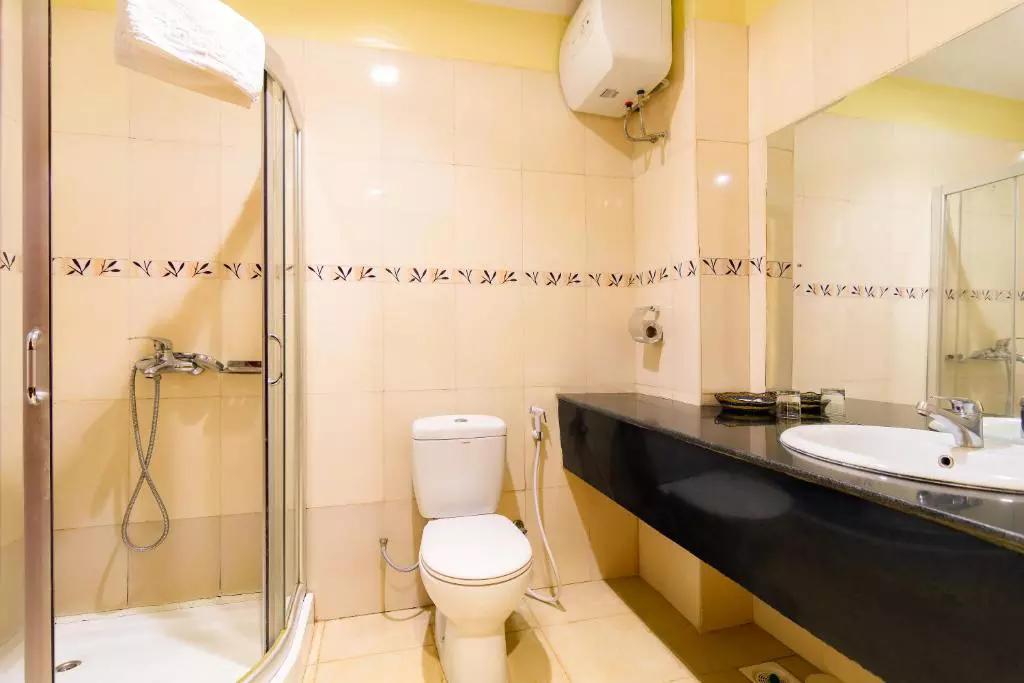
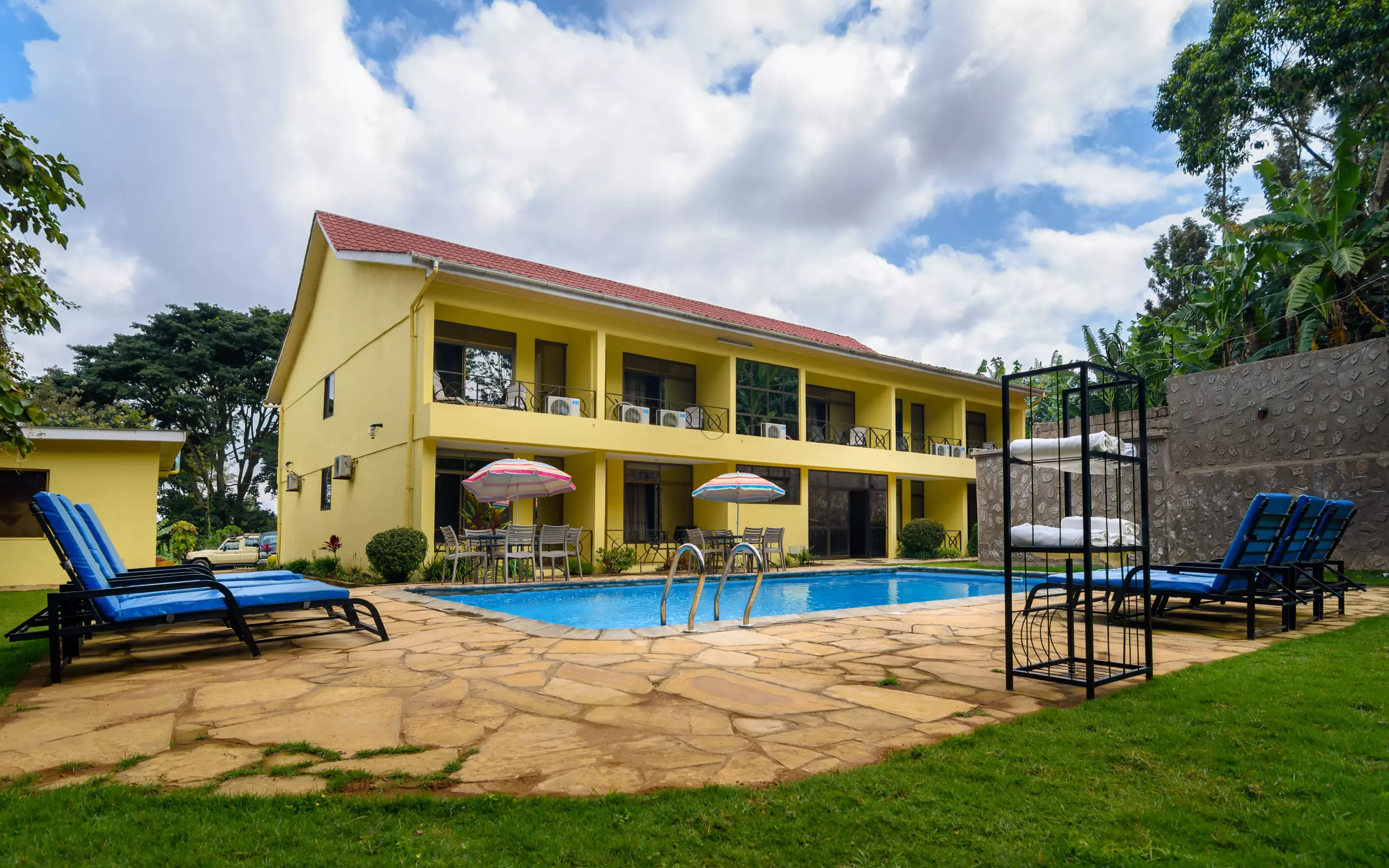
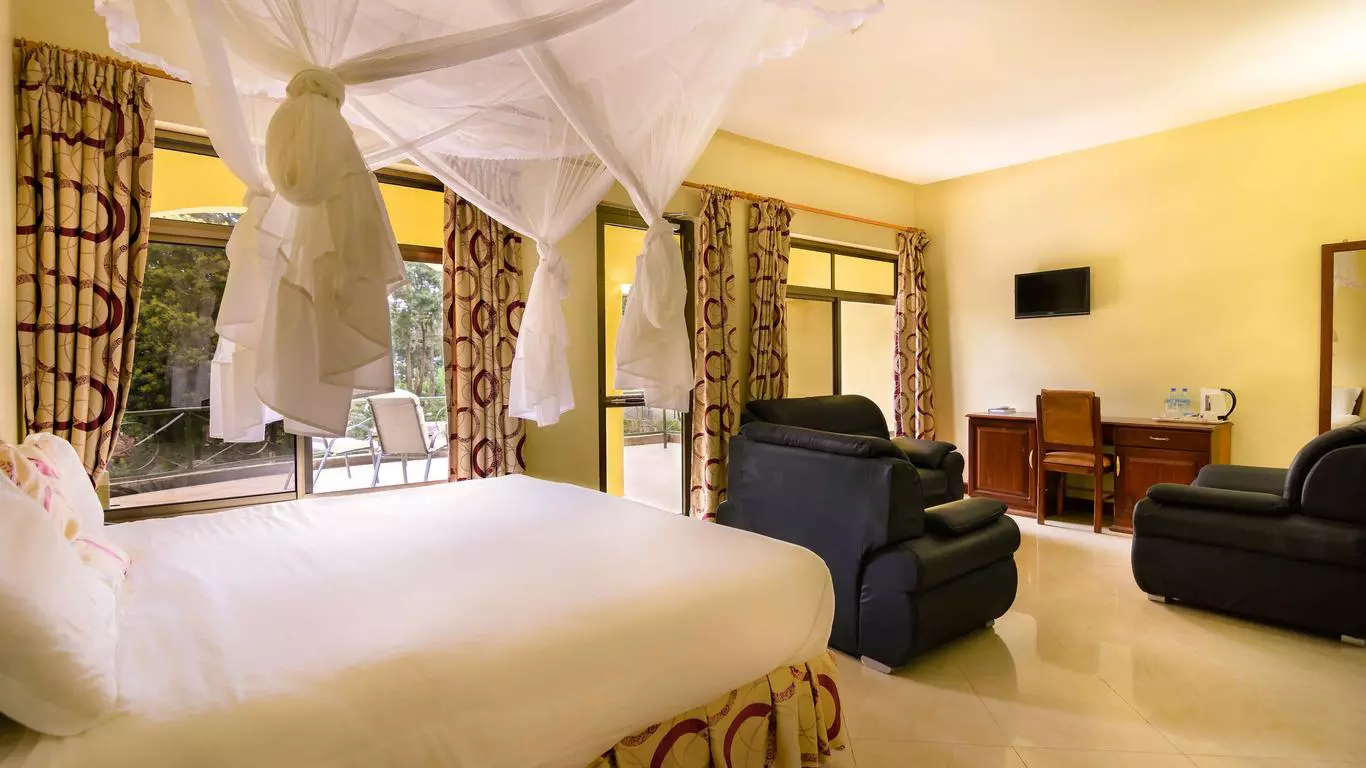
Once you have completed customs formalities and collected your luggage, please exit the airport building and then look out for our driver who should be wearing a black Team Kilimanjaro t-shirt and carrying a placard with your name on it, who will be waiting under a shelter for you at the meeting point outside. Our driver will transfer you to Mvuli Hotel for your overnight stay.
Kilimanjaro
21st February 2026: Your mountain guide and supporting crew will collect you from your hotel at approximately 0730 to transfer you to Kilimanjaro's Lemosho Gate to start your open 7 day TK Rongai ‘Advantage Series’ climb, finishing on 27th February 2026.
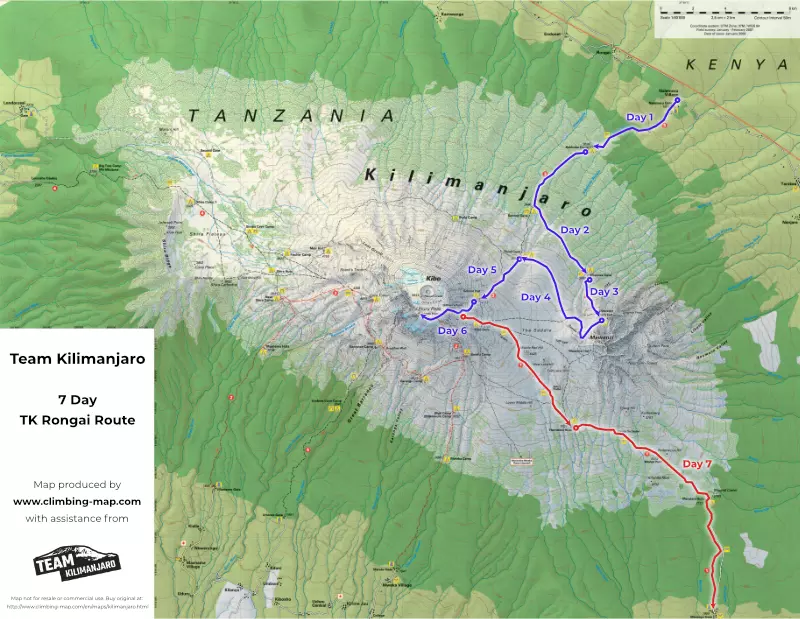
A comprehensive itinerary of this route is available to download here 📥
27th February 2026: We will collect you from Marangu Gate when you finish your climb and will return you to Mvuli Hotel for your overnight with a stop for lunch en route at Moshi.
Safari
Day 1 / 28th February 2026: Tarangire National Park
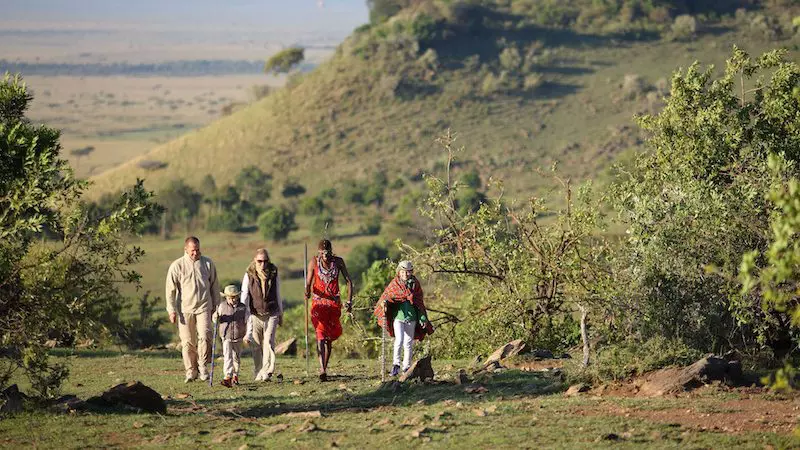
Depart Arusha at approximately 07:30 and travel to Tarangire National Park. Upon arrival, first enjoy a guided walking safari accompanied by an experienced guide and park ranger, allowing you to experience the park’s wildlife and scenery up close on foot. Afterwards, continue with your game drives through Tarangire, known for its large elephant population, classic savannah landscapes, and the Tarangire River, which attracts abundant wildlife throughout the dry season.
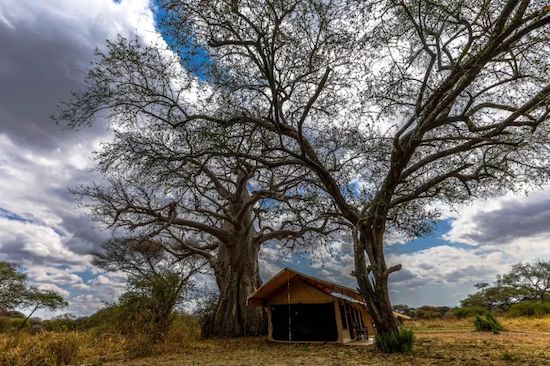
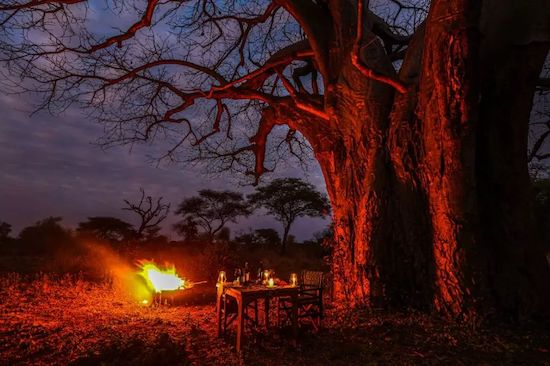
The park is also notable for its ancient baobab trees and excellent birdlife, with a wide range of species recorded year-round.
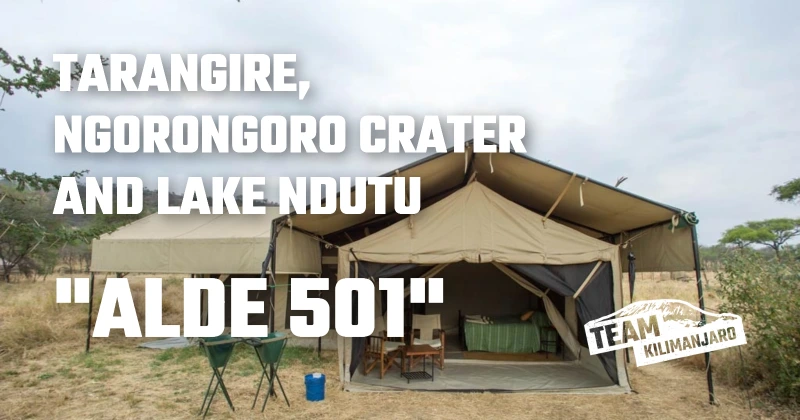
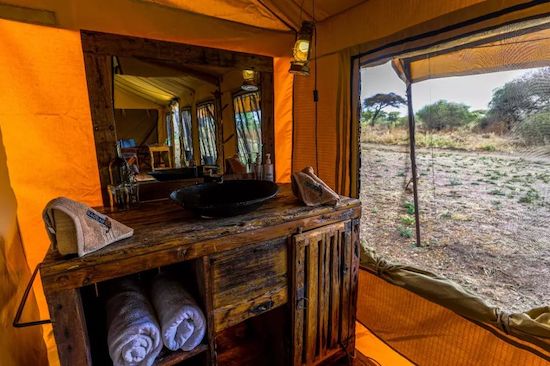
In the late afternoon, transfer to Mawe's Baobab Tented Camp for dinner and overnight.
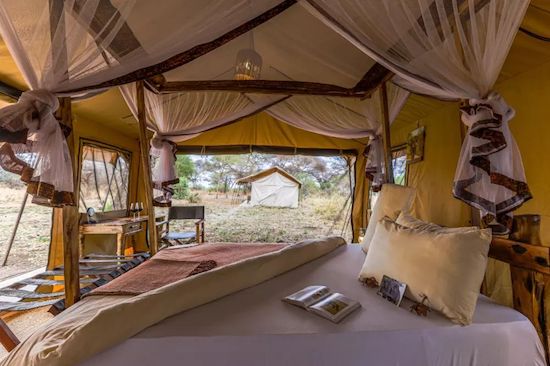
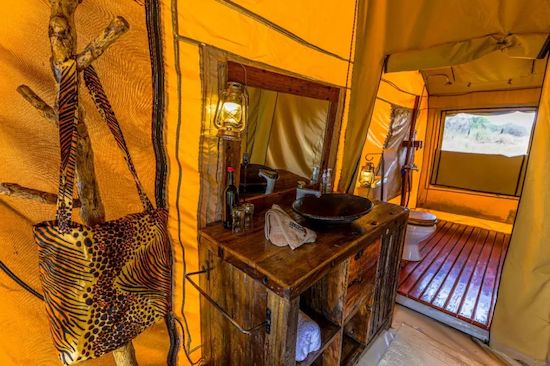
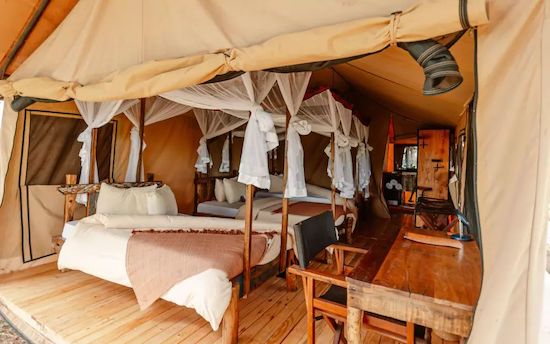
Day 2 / 1st March 2026: Ngorongoro Crater
Depart early this morning for your descent into the Ngorongoro Crater, carrying a packed breakfast to enjoy during your game drive. The crater floor offers one of the most concentrated wildlife experiences in Africa, with excellent chances of seeing lion, elephant, buffalo, zebra, and, with luck, the elusive black rhinoceros.
The Ngorongoro Crater is often referred to as a natural amphitheatre, formed by the collapse of a volcanic caldera, and supports a remarkable diversity of wildlife within a relatively compact area.
In the late afternoon, ascend the crater and transfer to EAC Pakulala Luxury Safari Camp for dinner and overnight.
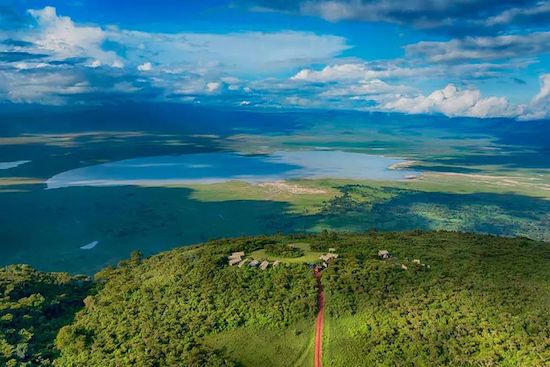
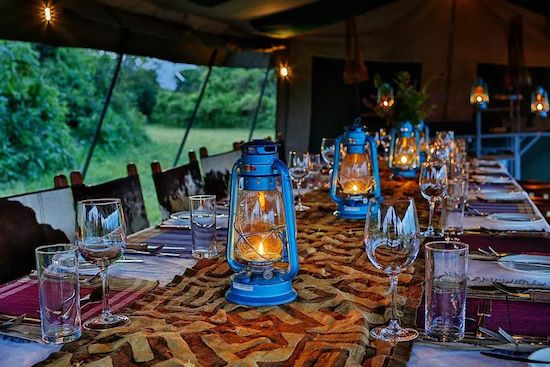
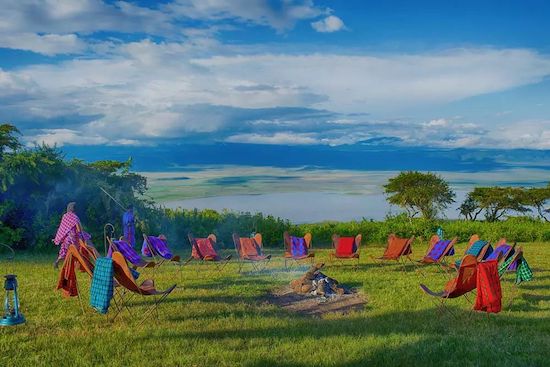

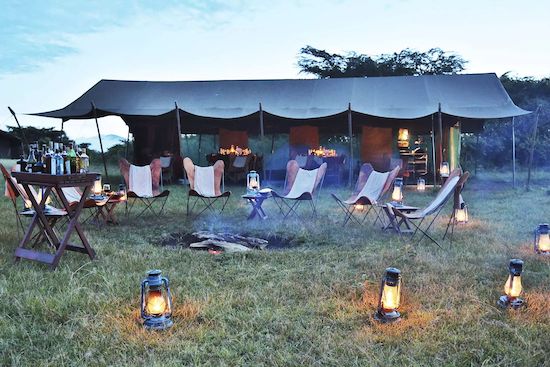
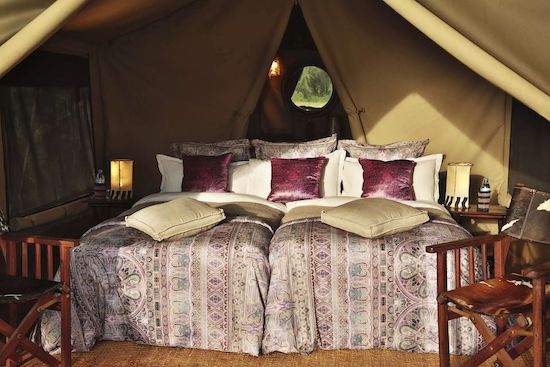
Day 3 / 2nd March 2026: Southern Serengeti / Ndutu Area
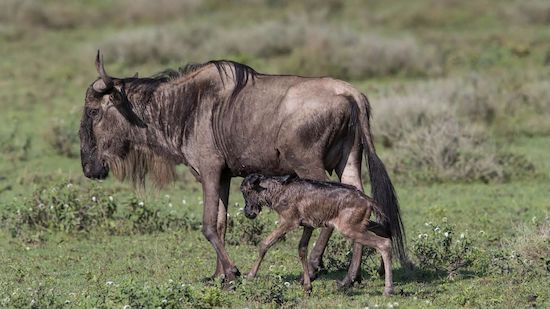
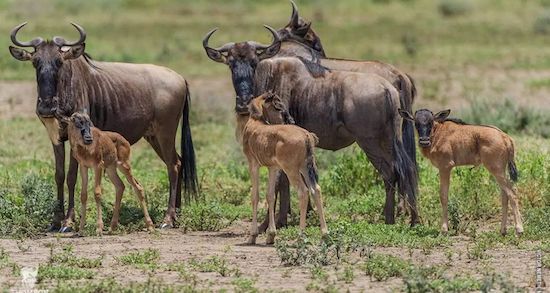
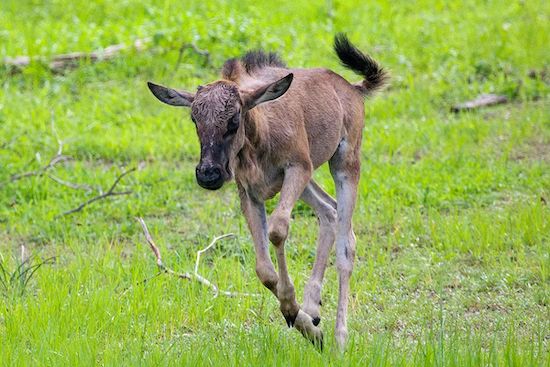
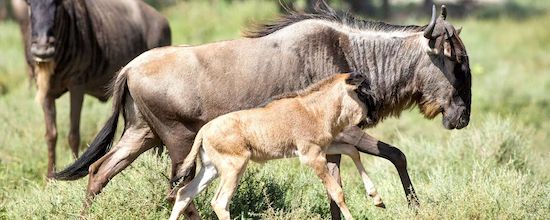
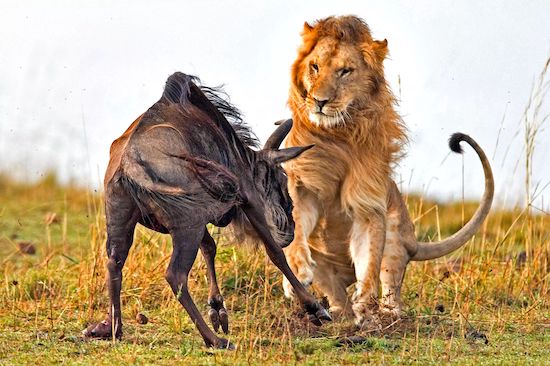
Today's focus is the Ndutu Plains within the Ngorongoro Conservation Area, the stage for one of nature's greatest events (Jan-Mar). You'll search for the vast herds of the Great Migration, where hundreds of thousands of wildebeest and zebra gather to graze and give birth. Witnessing a wobbly calf take its first steps, with opportunistic predators never far away, is a profound and dramatic spectacle. The short grass plains allow for exceptional visibility and photography. This is raw, intimate nature at its most powerful.
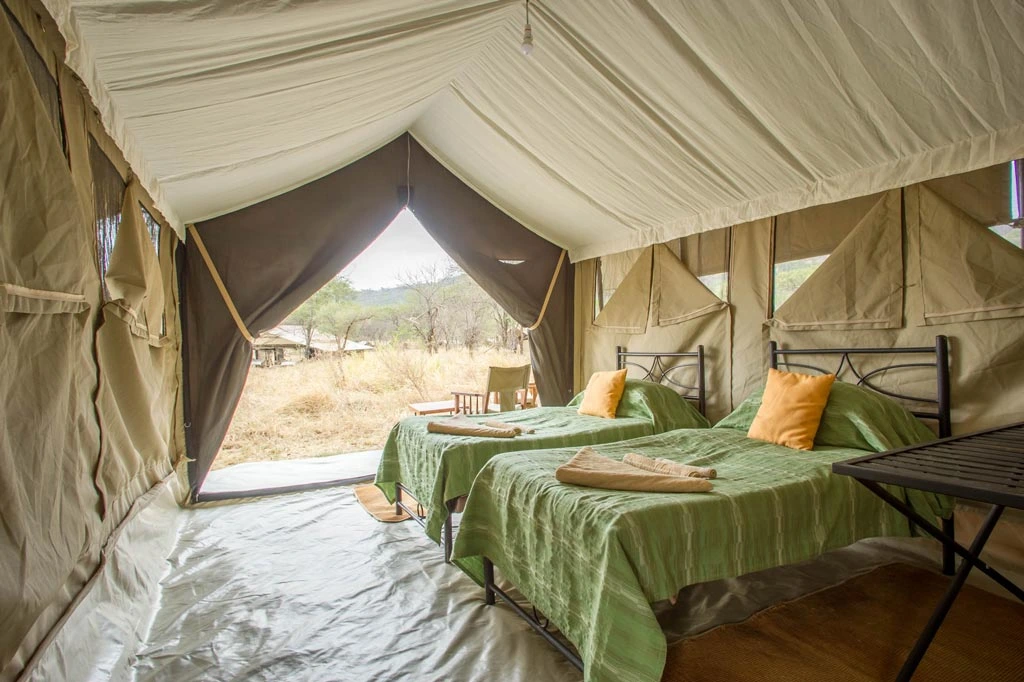
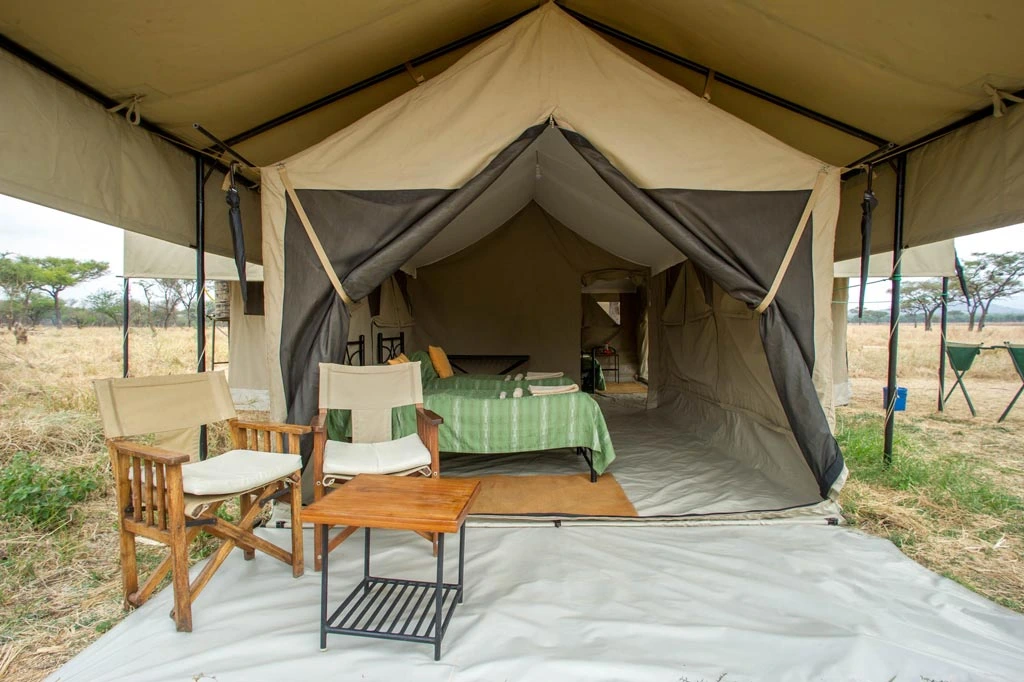
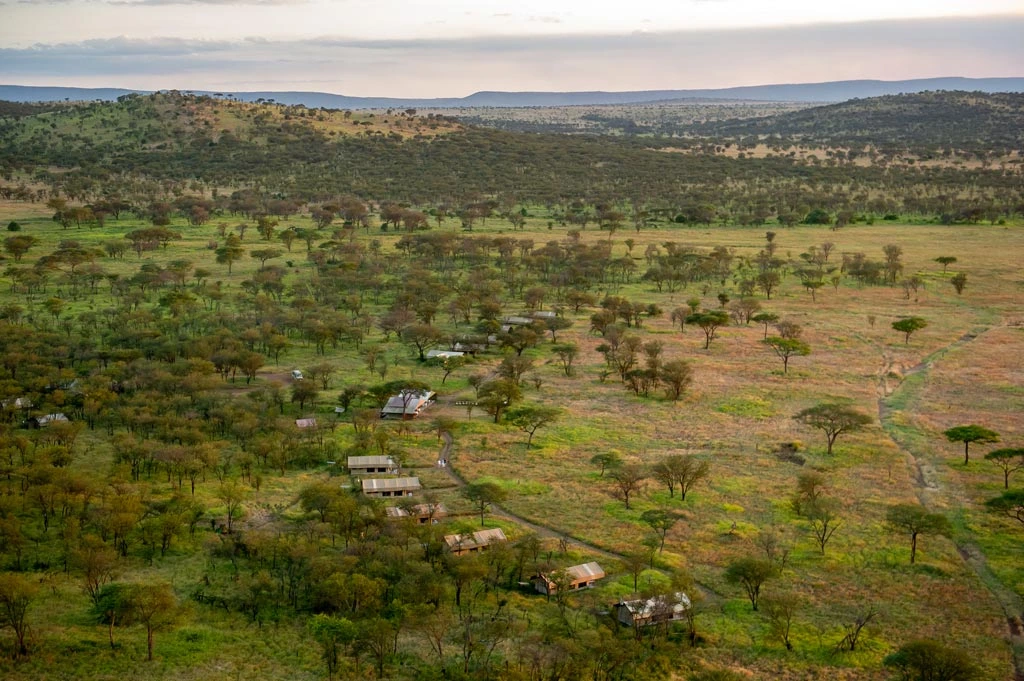
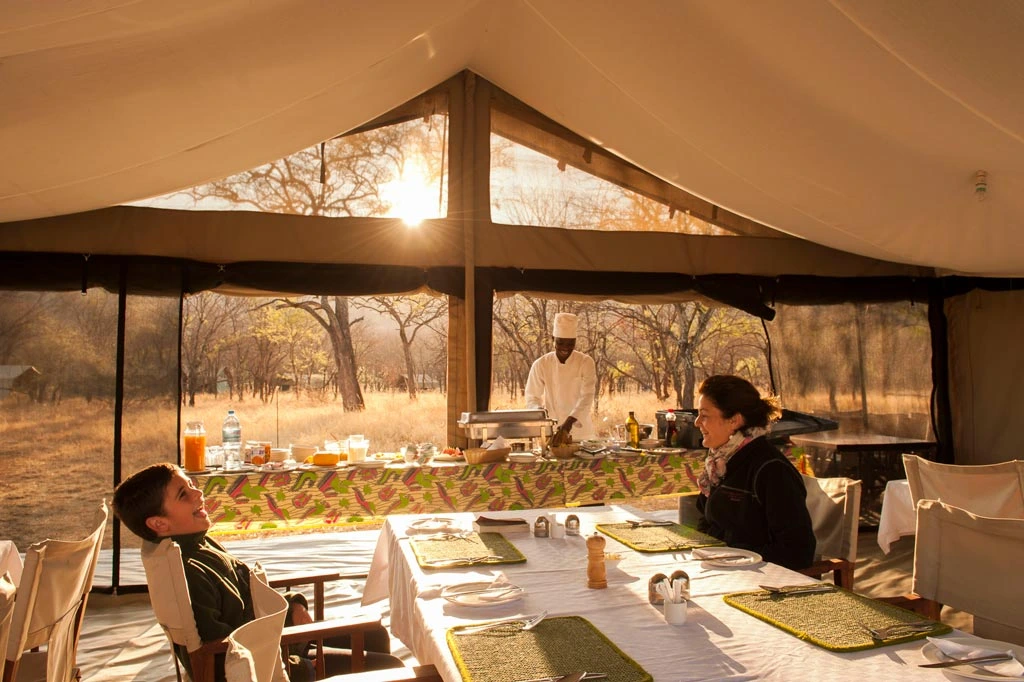
Transfer to TWC Ndutu Kati Kati in the late afternoon for your first nights stay.
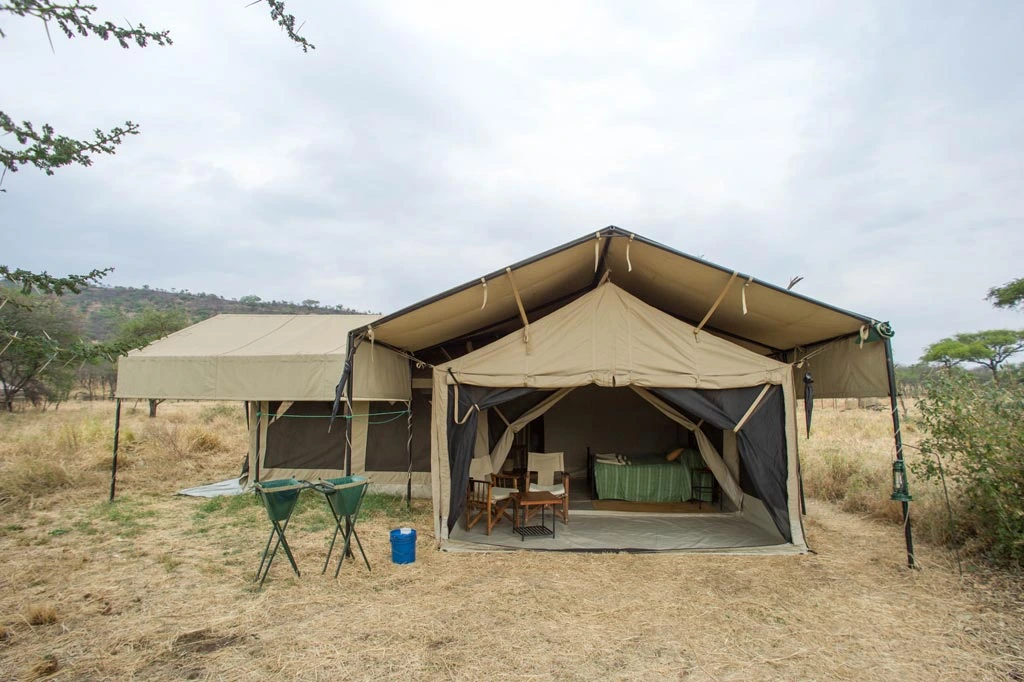
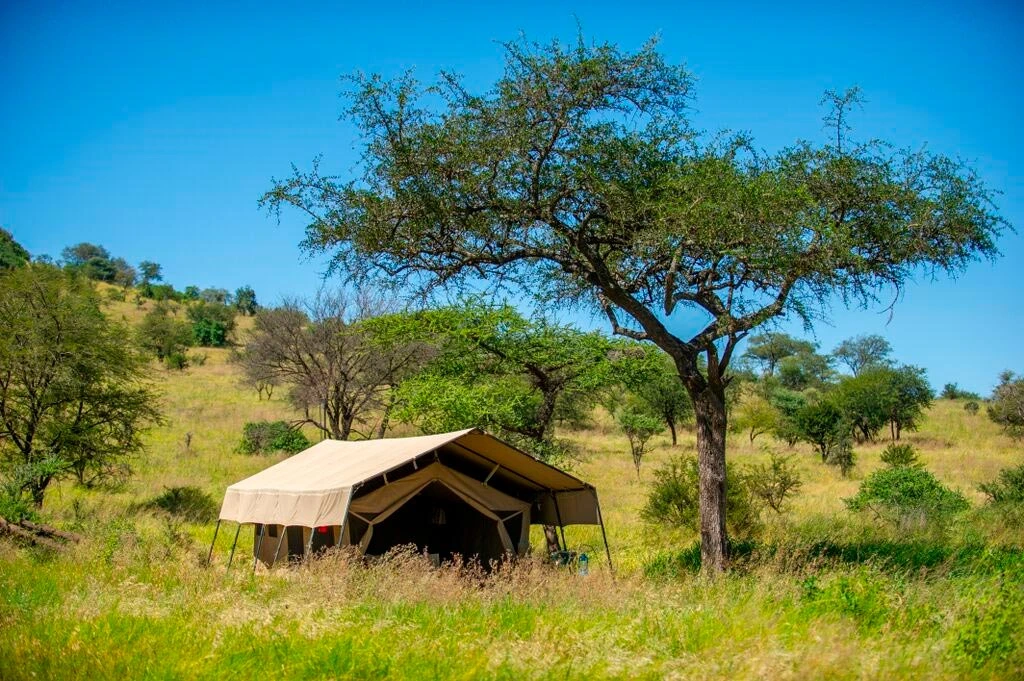
Day 4 / 3rd March: Ndutu Plains Safari
A full day exploring the Ndutu area, famous for its wildlife-rich plains and excellent visibility for game viewing. This region is especially active during the migration season, with plenty of opportunities to spot wildebeest, zebra and the predators that follow them.
Overnight at TWC Ndutu Kati Kati.
Day 5 / 4th March 2026: Arusha
After breakfast, depart for your return to Arusha. Upon arrival, you will be transferred to your lodge or onward connection, depending on your travel arrangements.
Safari Route Map
This map is not a comprehensive description of movements and shows only a selection of approximate landmarks along the safari's intended route.
Safari Prices Per Person in US Dollars
Prices are on the basis of 2025 accommodation rates.
| No. in group 👉 | Solo | 2 🧍 | 3 🧍 | 4 🧍 | 5 🧍 | 6 🧍 | 7+ 🧍 |
|---|---|---|---|---|---|---|---|
| Safari | $4,340 | $3,485 | $3,060 | $3,020 | $2,980 | $2,940 | $2,900 |
Mobiles: scroll right for larger groups 👉
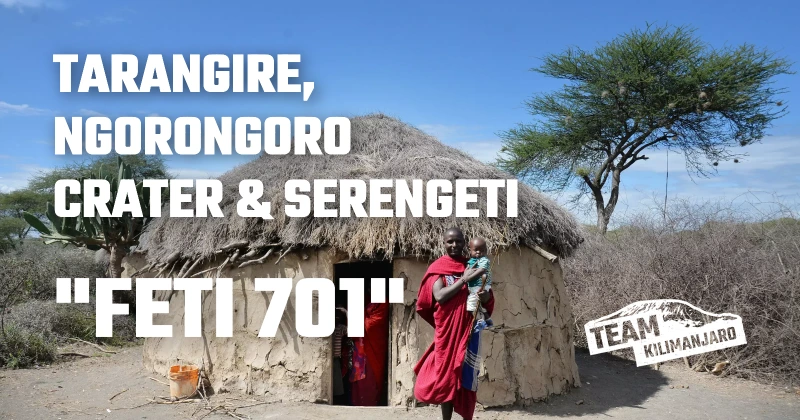
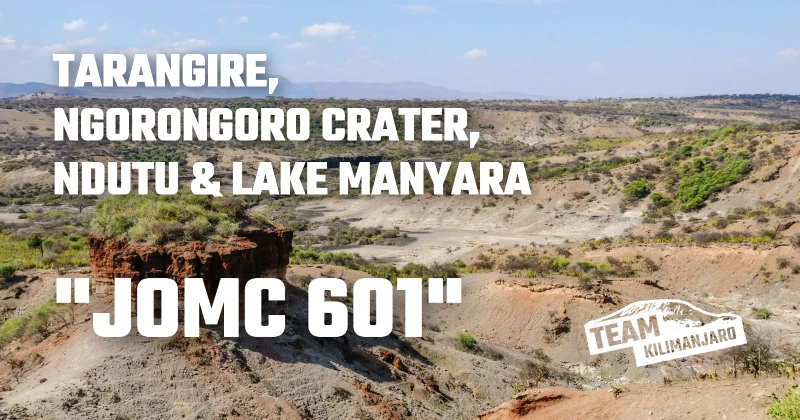
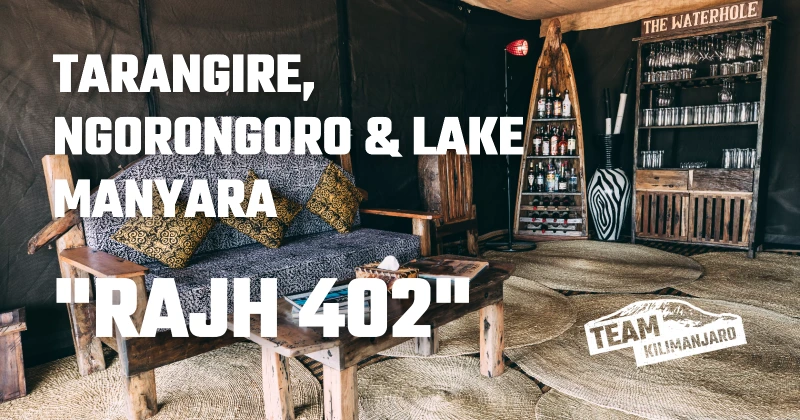
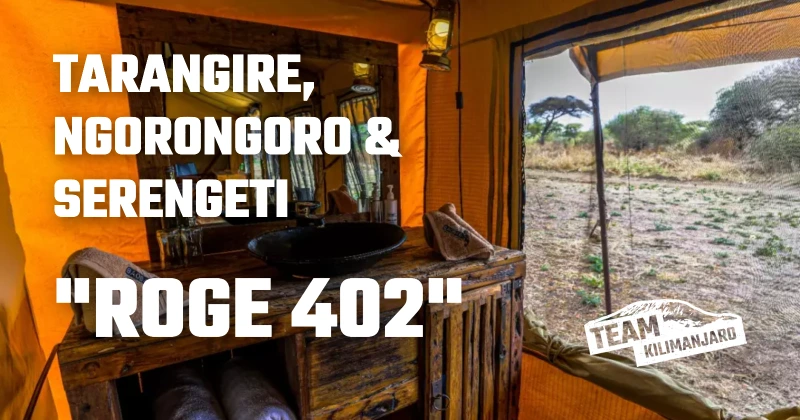
This is not a specific itinerary - in terms of the accommodation being detailed - and is presented to provide a general idea of recommended movements on a 4 day schedule basis.

💡 Tip: For best results, start with just one or two filters. Although there are 285 itineraries, if you enter too many options, you may get no matches — but don’t worry, just simplify your search!
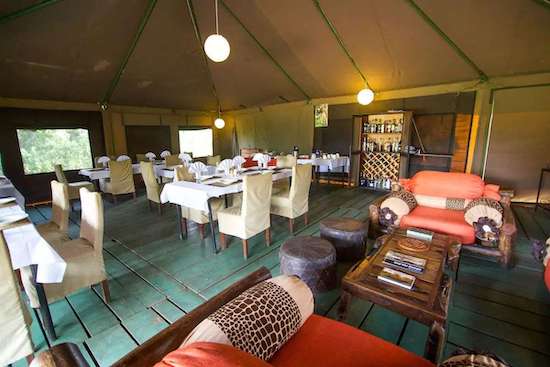
Day 1 / 1 April 2026: Tarangire National ParkDepart Arusha at approximately 0730 for the drive to Tarangire National Park. Enter the park for an introductory game drive, scanning for its famous elephant herds and iconic baobab trees. This park offers a classic, less-crowded safari feel.Overnight at TARANGIRE – Angata Tarangire Camp.
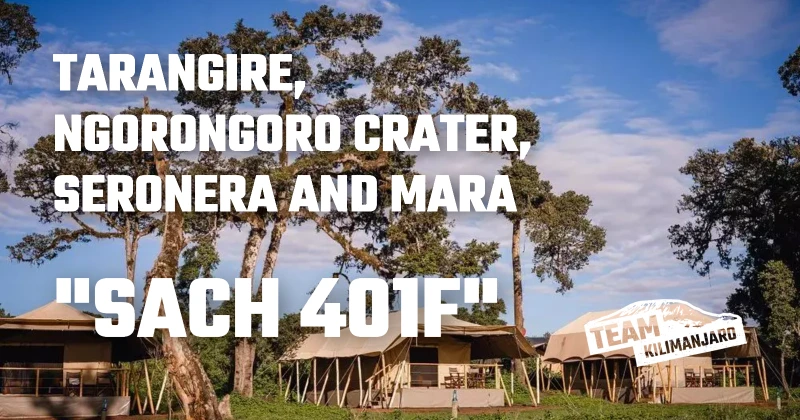
Depart Arusha at approximately 0730 and travel to Tarangire National Park for your first game drives. Tarangire is known for its large elephant population, classic savannah landscapes, and the Tarangire River, which attracts wildlife throughout the dry season.The park is also notable for its ancient baobab trees and excellent birdlife, with a wide range of species recorded year-round.In the late afternoon, transfer to Angata Ngorongoro Camp for dinner and overnight.
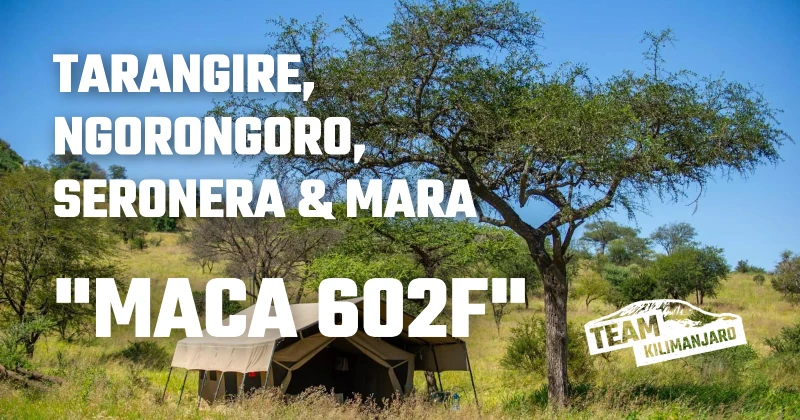
Depart Arusha at approximately 0730 and travel to Tarangire National Park for your first game drives. Tarangire is known for its large elephant population, classic savannah landscapes, and the Tarangire River, which attracts wildlife throughout the dry season.The park is also notable for its ancient baobab trees and excellent birdlife, with a wide range of species recorded year-round.In the late afternoon, transfer to Mawe's Baobab Tented Camp for dinner and overnight.
Depart at approximately 0730 for Lake Manyara National Park, a compact but diverse park set beneath the Great Rift Valley escarpment. The park features groundwater forest, open grasslands, and a shallow soda lake that attracts a wide variety of birdlife.Lake Manyara is well known for its tree-climbing lions, as well as elephant, giraffe, buffalo, and large troops of baboons.Later in the day, transfer to Moivaro Tindiga Tented Camp for dinner and overnight.